

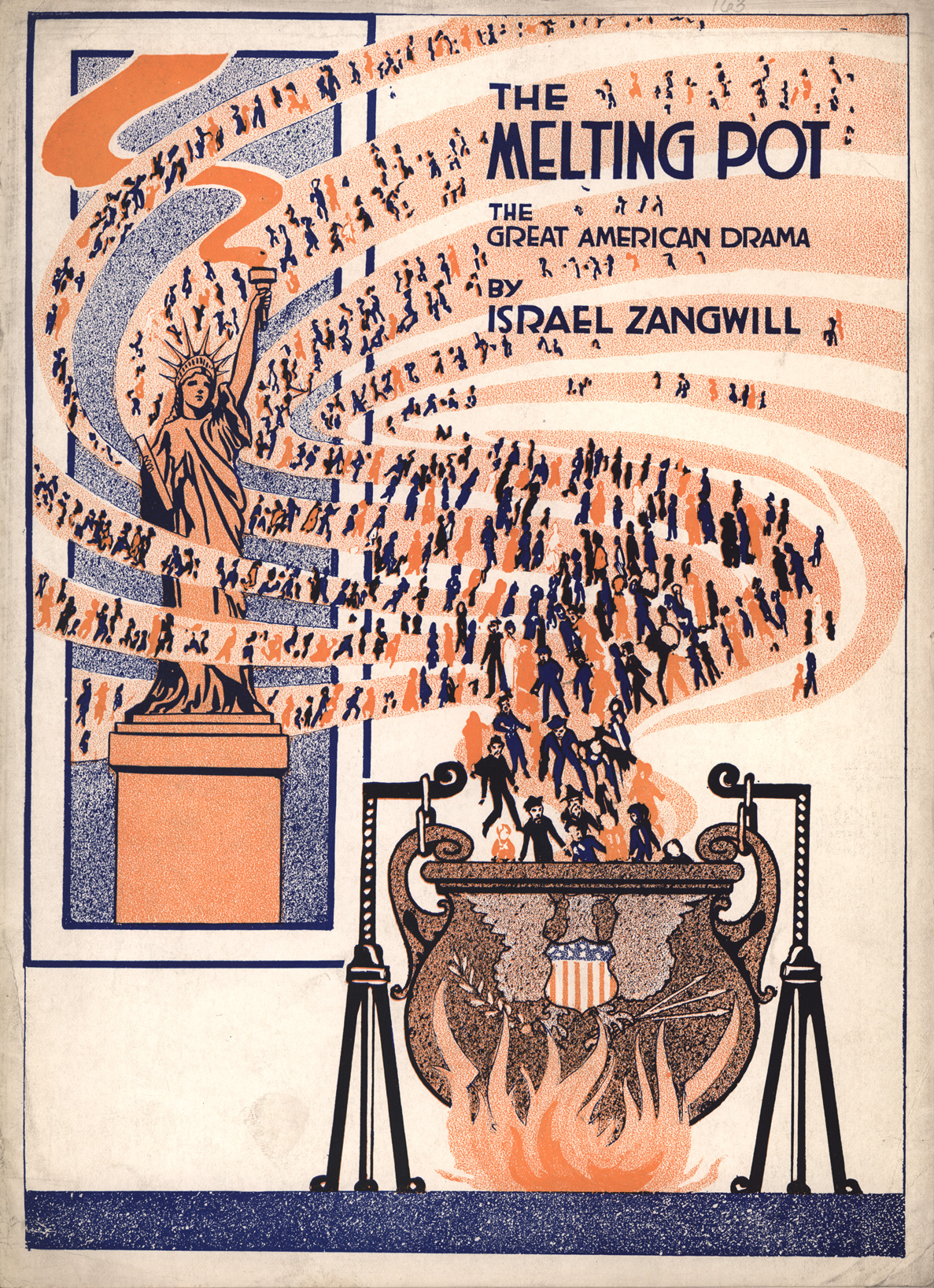
The concept of the “melting pot” has long been used to describe the diverse cultural landscape of countries like the United States, where various ethnicities and traditions blend to form a unique national identity. This metaphor extends beautifully to the world of names, where we see a fascinating fusion of different naming traditions, origins, and inspirations.
In today’s globalized world, names have become a reflection of our interconnected cultures. Parents are increasingly looking beyond their immediate cultural backgrounds when choosing names for their children, resulting in a rich tapestry of monikers that cross traditional boundaries.
This naming melting pot is evident in several trends:
- Cross-cultural names: Parents might choose names from cultures different from their own, appreciating their sound or meaning.
- Fusion names: Combining elements from different naming traditions to create unique, multicultural names.
- Global popularity: Names from one culture gaining popularity worldwide due to media influence or celebrity usage.
- Reviving ancient names: Bringing back historical or mythological names from various cultures.
- Nature-inspired names: Drawing from universal elements like flora, fauna, and celestial bodies.
- Meaning-based choices: Selecting names based on their significance rather than cultural origin.
- Phonetic appeal: Choosing names primarily for their sound, regardless of origin.
This melting pot of names brings both benefits and challenges. It promotes cultural understanding and appreciation, allowing individuals to connect with diverse heritages. However, it also raises questions about cultural appropriation and the potential loss of traditional naming practices.
As we navigate this diverse naming landscape, it’s crucial to approach name choices with respect and understanding. Whether drawing inspiration from one’s own cultural background or embracing names from other traditions, the key is to appreciate the rich stories and meanings behind each name.
The great melting pot of names reflects our increasingly interconnected world, where identities are fluid and multicultural. It reminds us that names, like people, have the power to bridge cultures and tell complex, beautiful stories of heritage and hope.


