

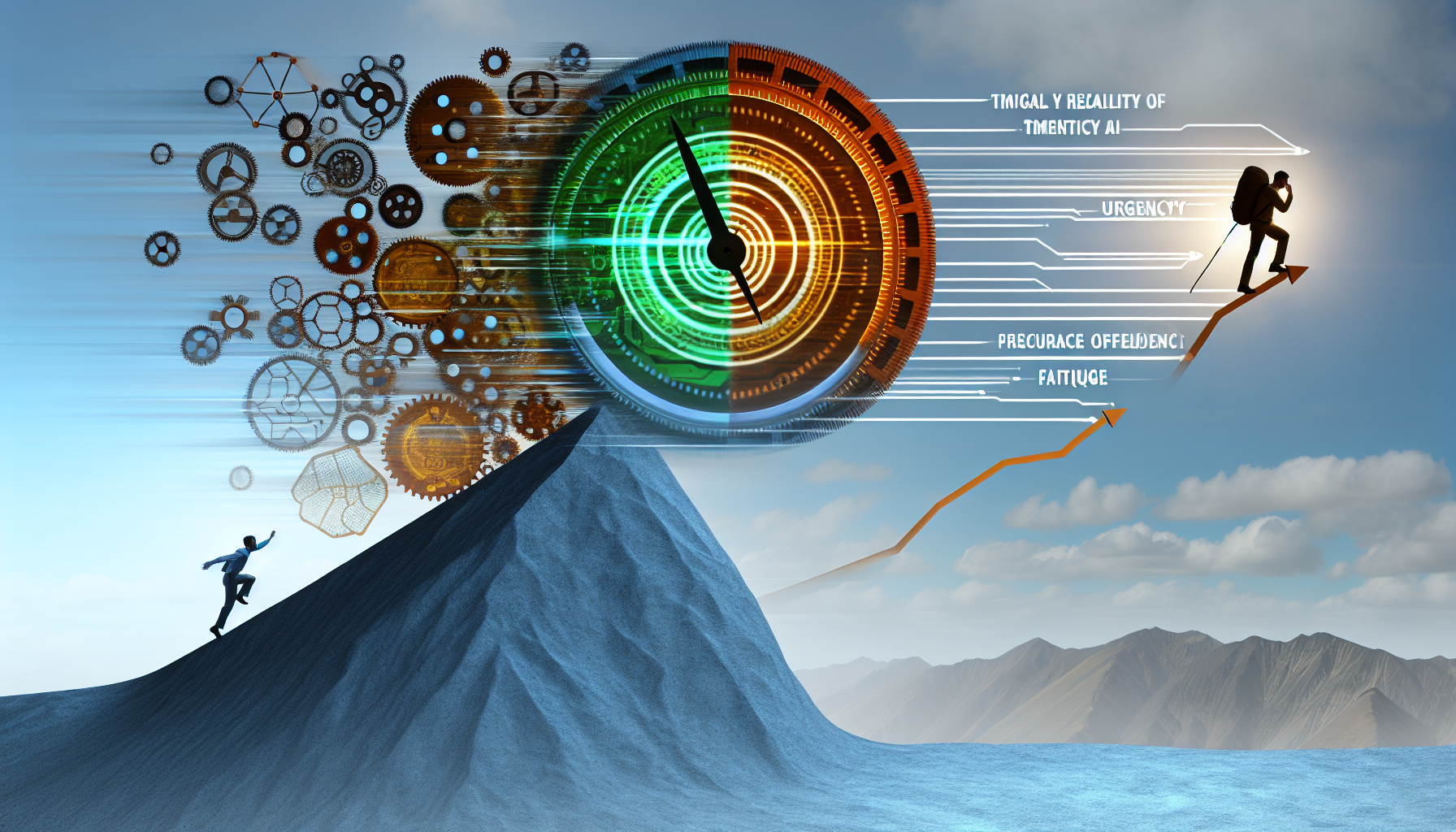
At the RSA Conference 2026, held in April, a diverse array of industry leaders convened to explore the rapid advancements in artificial intelligence (AI) and the accompanying sense of fatigue that many professionals are beginning to feel. This duality of urgency and exhaustion reflects the ongoing debates within the cybersecurity sector about how to balance the swift pace of innovation with the practical challenges of implementation.
The Pace of AI Advancements
AI technology has seen unprecedented growth in recent years, with innovations emerging at an alarming rate. Experts at the conference underscored that while AI has the potential to transform various sectors, including cybersecurity, the speed of development often outstrips the pace at which organizations can adapt. This rapid evolution raises critical questions about the effectiveness and security of newly deployed systems.
Innovation Versus Implementation
One of the central themes of the discussions was the tension between the momentum of innovation and the practical challenges of implementation. As organizations rush to adopt AI solutions, they often overlook crucial factors such as:
- Integration: Many organizations struggle to effectively integrate AI technologies into their existing frameworks.
- Training: There is a significant need for training personnel to understand and utilize AI tools effectively, which can be a time-consuming process.
- Ethical Considerations: The ethical implications of AI deployment, particularly regarding privacy and bias, are often sidelined in the race to innovate.
- Security Risks: New AI systems can introduce vulnerabilities that may be exploited by cybercriminals, raising the stakes for cybersecurity professionals.
This imbalance has led to what many are calling AI fatigue. Professionals in the field are feeling overwhelmed by the continuous influx of new tools and methodologies, coupled with the pressure to stay ahead of potential threats.
The Rise of AI Fatigue
AI fatigue is a phenomenon that has emerged as organizations grapple with the demands of rapidly evolving technology landscapes. This feeling is characterized by:
- Overwhelmed Workforce: Many cybersecurity professionals report feeling inundated with information and tools that they struggle to keep up with.
- Increased Burnout: The constant need to adapt to new technologies can lead to higher levels of job-related stress and burnout.
- Decreased Innovation: Ironically, the pressure to continuously innovate can stymie creativity and lead to a reluctance to experiment with new ideas.
The RSA Conference provided a platform for attendees to share their experiences with AI fatigue, revealing that this sentiment is felt widely across various sectors. Many expressed a desire for a more measured approach to AI adoption, one that prioritizes sustainability and ethical considerations over speed.
Strategies for Balancing Urgency and Fatigue
Addressing AI fatigue requires a multifaceted approach. Several strategies were discussed at the conference to help organizations find a balance between urgency and sustainable innovation:
- Incremental Implementation: Rather than adopting multiple AI solutions simultaneously, organizations could benefit from a phased approach that allows for thorough testing and integration.
- Focus on Training: Investing in training programs for employees can empower them to leverage AI tools effectively, reducing feelings of overwhelm.
- Encourage Open Dialogue: Creating spaces for open communication regarding the challenges and opportunities presented by AI can foster a culture of collaboration and innovation.
- Prioritize Ethical AI: Organizations should commit to ethical AI practices, ensuring that new technologies respect user privacy and are free from bias.
By adopting these strategies, organizations can better navigate the complexities of AI, allowing them to harness its potential while mitigating the risks associated with rapid advancement. There’s a fuller look at exploring digital threats.
Conclusion
The discussions at the RSA Conference 2026 highlighted a critical juncture in the field of AI and cybersecurity. As the pace of innovation accelerates, so too does the need for professionals to adapt to new realities. Striking a balance between the urgency of AI adoption and the need for thoughtful, ethical implementation is more important than ever. As the industry grapples with these challenges, fostering a culture that values sustainability and employee well-being will be essential in combating AI fatigue and ensuring the responsible advancement of technology.


