

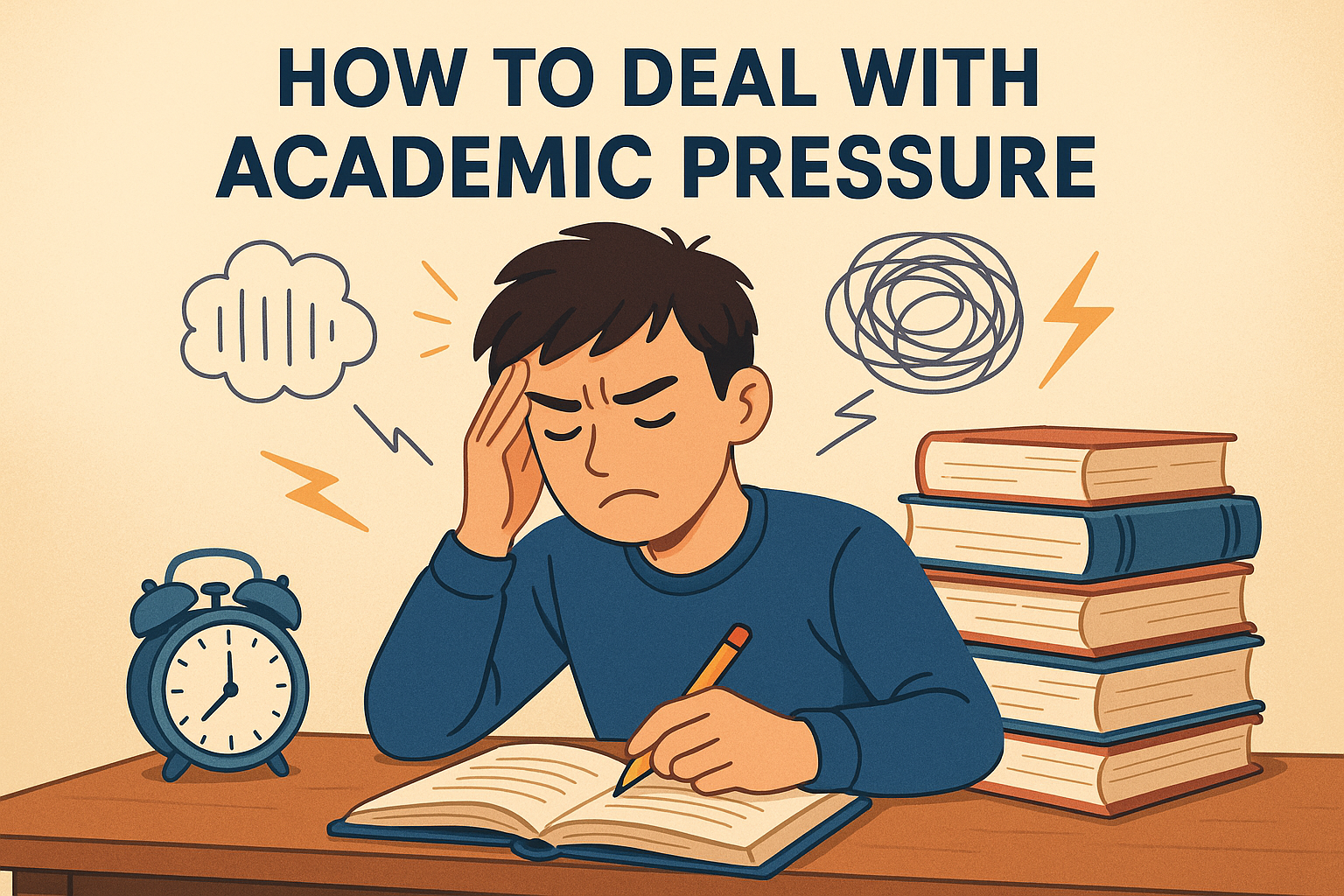
Academic pressure is an ever-growing concern for students at all levels. As competition intensifies and expectations rise, many find themselves overwhelmed by the demands of their studies. Whether you’re a high school student cramming for exams or a college student balancing coursework with internships, understanding how to manage academic pressure is crucial for maintaining your mental health and achieving your educational goals. Here are ten effective strategies for academic pressure relief that can help you navigate this challenging landscape.
1. Time Management Skills
One of the most effective ways to combat academic pressure is to develop strong time management skills. This means breaking down your assignments into manageable tasks and creating a schedule that prioritizes your workload. Tools like planners or digital calendars can help you visualize deadlines and allocate specific times for studying, attending classes, and even taking breaks.
By managing your time wisely, you can reduce last-minute cramming and create a sense of control over your academic responsibilities. Remember, it’s not just about studying harder; it’s also about studying smarter.
2. Set Realistic Goals
Setting achievable goals is another fundamental strategy for academic pressure relief. While aiming for high grades is commendable, perfectionism can lead to increased anxiety and burnout. Instead, focus on setting specific, measurable, attainable, relevant, and time-bound (SMART) goals. For instance, instead of aiming to ace every exam, strive to improve your grade in a subject you find challenging.
When you set realistic goals, you create a more sustainable path to success, allowing yourself to celebrate small victories along the way. This not only boosts your confidence but also helps reduce anxiety associated with high expectations.
3. Practice Mindfulness and Relaxation Techniques
Engaging in mindfulness and relaxation techniques can significantly lower stress levels and enhance focus. Practices such as meditation, deep-breathing exercises, or yoga can help clear your mind and improve your concentration. Even setting aside just ten minutes a day for these activities can make a difference. (See: CDC tips for coping with stress.)
Mindfulness encourages you to stay present and aware of your feelings without judgment, which can be particularly beneficial during stressful academic periods. Incorporating such techniques into your daily routine can lead to long-term benefits for your mental health. Related reading: mindfulness in education.
4. Seek Support from Peers and Educators
Don’t underestimate the power of a solid support system. Connecting with classmates and educators can provide not only academic assistance but emotional support as well. Study groups can foster collaborative learning, making challenging subjects more manageable. Plus, simply sharing your experiences with peers who understand your struggles can alleviate feelings of isolation.
Many institutions also offer counseling services or academic workshops tailored to help students cope with stress. Be proactive in seeking out these resources; they can make a significant difference in your academic journey.
5. Maintain a Balanced Lifestyle
Academic pressure often leads students to neglect their physical health, which can exacerbate stress. Maintaining a balanced lifestyle that incorporates regular exercise, a healthy diet, and adequate sleep is essential for academic pressure relief. Physical activity, in particular, releases endorphins, which can improve your mood and reduce anxiety.
Furthermore, don’t underestimate the importance of sleep. Studies show that lack of sleep can impair cognitive function, making it harder to retain information and perform well academically. Prioritizing your health can provide the energy and mental clarity needed to excel in your studies.
6. Limit Distractions
In our hyper-connected world, distractions are everywhere. Social media, phone notifications, and even noisy environments can derail your concentration and elevate stress levels. Identify what distracts you most and create strategies to minimize these interruptions. This could mean studying in a quiet place, turning off your phone during study sessions, or using apps designed to limit screen time.
By creating a focused study environment, you’ll likely find that your productivity increases, leading to a greater sense of accomplishment and reduced pressure. (See: NIH resources on stress treatment.)
7. Utilize Academic Resources
Many schools and universities offer a variety of academic resources designed to help students succeed. These may include tutoring services, writing centers, or academic advising. Don’t hesitate to take advantage of these resources; they’re there to support your learning journey. (understanding mindfulness concepts)
Investing time in workshops or sessions that teach study skills can also be beneficial. The more equipped you are with effective study techniques, the more confident you’ll feel in managing your workload.
8. Embrace Failure as a Learning Opportunity
Understanding that failure is a natural part of the learning process can alleviate some of the pressure you might feel. Instead of viewing setbacks as disasters, try to reframe them as opportunities to learn and grow. This shift in mindset can relieve the fear of failure that often accompanies academic pressure.
Many successful individuals have faced challenges and failures along their paths. Embracing this perspective can make your academic journey feel less daunting and more like an essential part of your personal development.
9. Engage in Extracurricular Activities
Participating in extracurricular activities can provide a much-needed break from academic stress. Whether it’s joining a club, playing a sport, or volunteering, engaging in activities outside of your studies can boost your mood and enhance your overall well-being.
These activities allow you to connect with others who share similar interests, fostering a sense of community while also providing a welcome distraction from academic pressures.
10. Know When to Seek Professional Help
If academic pressure becomes overwhelming and begins to affect your mental health, it may be time to seek professional help. Many schools offer counseling services that can provide support and coping strategies tailored to your needs.
Recognizing when you need help is a sign of strength, not weakness. Taking proactive steps to manage your mental health is crucial for long-term academic success and personal well-being.
By implementing these strategies, you can cultivate academic pressure relief and create a healthier, more balanced approach to your studies. Remember, you’re not alone in this journey, and there are many resources available to help you succeed.
Trending Now
- Is Travel to Paris Summer 2023 Still a Good Idea? Here’s What You Need to Know
- read the full story
- Inside the Michael Biopic TikTok Trend: What’s Driving the Buzz?
- Rising Summer Travel Costs in 2026:…
- Why Michael Jackson Is Trending in…
Frequently Asked Questions
How can I manage academic pressure effectively?
To manage academic pressure effectively, develop strong time management skills, set realistic goals, and practice mindfulness techniques. Break assignments into manageable tasks and prioritize your workload with a planner. Aim for achievable goals to reduce anxiety and celebrate small victories along the way.
What are some strategies to relieve academic stress?
Effective strategies to relieve academic stress include developing time management skills, setting SMART goals, and practicing mindfulness. Additionally, ensure you take regular breaks, maintain a healthy lifestyle, and seek support from peers or counselors when needed.
How does time management help with academic pressure?
Time management helps with academic pressure by allowing students to break down tasks into manageable parts and prioritize their workload. Using planners or digital calendars helps visualize deadlines and allocate study times, reducing last-minute cramming and creating a sense of control.
Why is setting realistic goals important for students?
Setting realistic goals is important for students as it prevents perfectionism, reduces anxiety, and promotes a sustainable path to success. Achievable goals allow students to focus on improvement and celebrate small victories, which boosts confidence and motivation.
What relaxation techniques can help with academic stress?
Relaxation techniques that can help with academic stress include mindfulness meditation, deep breathing exercises, and progressive muscle relaxation. These practices can lower stress levels, improve focus, and enhance overall mental well-being, making it easier to cope with academic challenges.
Have you experienced this yourself? We'd love to hear your story in the comments.


