

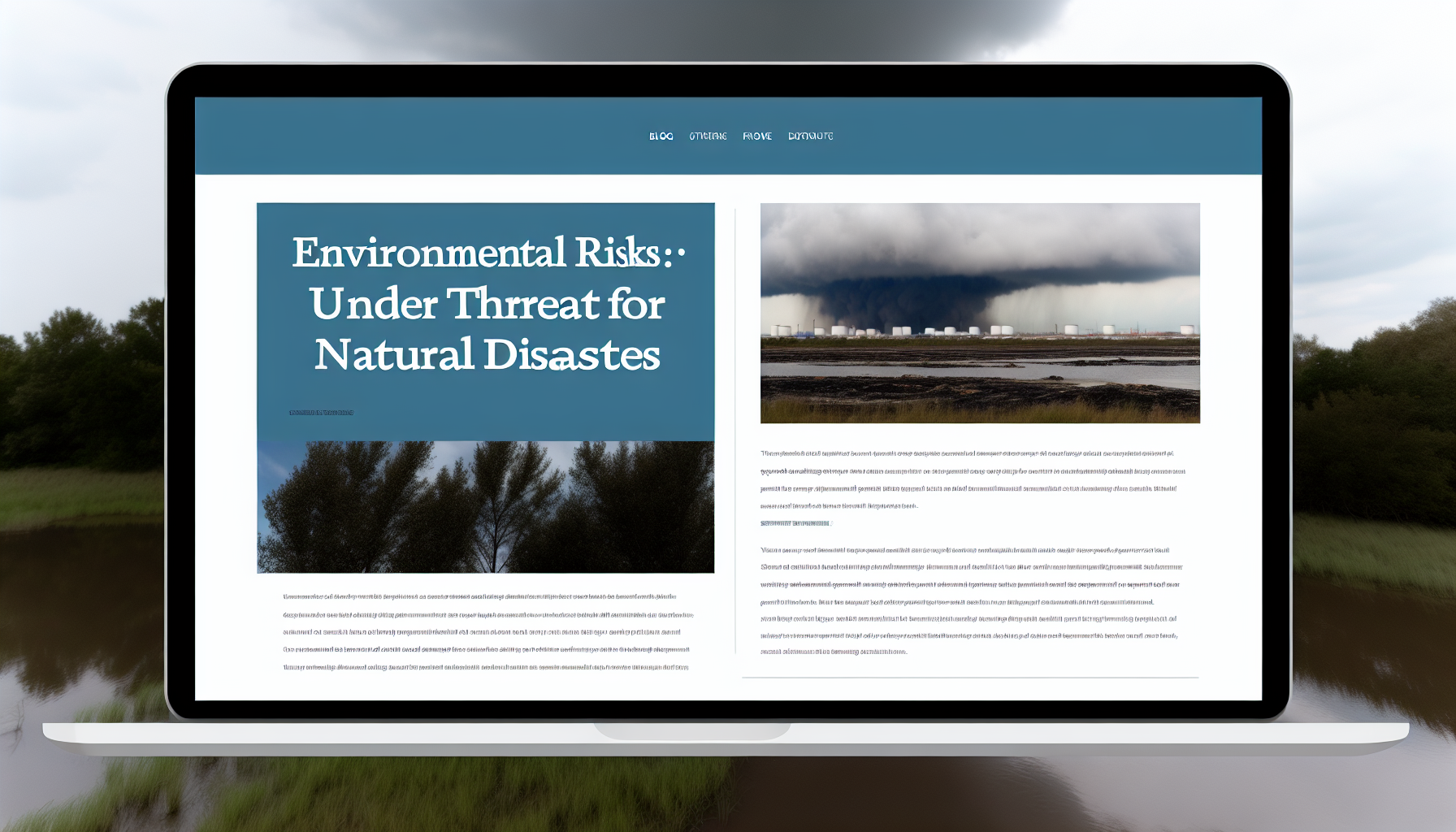
The Environmental Protection Agency (EPA) has identified a pressing concern regarding the safety of some of the nation’s most contaminated locations. In a report released by the Office of Inspector General, it was revealed that approximately 100 out of 157 prioritized Superfund sites are at significant risk from natural disasters, including flooding and wildfires. This vulnerability poses a serious public health threat to millions of Americans living near these hazardous waste sites.
Vulnerability to Natural Disasters
The comprehensive study conducted by the EPA’s watchdog highlights that a staggering 49 coastal sites are particularly threatened by the impacts of sea-level rise and hurricane storm surges. In addition, 47 sites are at risk of inland flooding, while 31 sites are located in areas classified as high-risk for wildfires. These findings underscore the urgent need for action as environmental changes intensify due to climate change. There’s a fuller look at impacts of climate change.
Population at Risk
According to the report, the implications of these vulnerabilities extend to a substantial number of Americans. Approximately 3 million people reside within one mile of a Superfund site, and an alarming 13 million people live within three miles. This proximity raises concerns about potential exposure to hazardous materials, particularly during natural disasters when containment and safety measures may fail.
The Impact of Climate Change
Climate change is exacerbating the risks faced by these contaminated sites. As extreme weather events become more frequent and severe, the potential for flooding and wildfires increases dramatically. The report emphasizes that the existing five-year cleanup plans for these sites often overlook the potential damage caused by such disasters.
The lack of consideration for natural disasters in cleanup plans is alarming. These plans are designed to mitigate health risks and restore contaminated areas, yet they frequently do not incorporate comprehensive strategies for adapting to changing environmental conditions. This oversight could lead to catastrophic consequences, not only for the sites themselves but also for the surrounding communities.
Recommendations for Action
In light of these findings, the EPA’s Office of Inspector General has made several recommendations aimed at addressing these vulnerabilities:
- Incorporate Climate Resilience: Future Superfund cleanup plans should integrate climate resilience strategies that assess and mitigate risks associated with flooding and wildfires.
- Enhanced Monitoring: The EPA should enhance monitoring of Superfund sites to better understand their condition and the potential for disaster-related damage.
- Community Engagement: Engaging with local communities is crucial. The EPA should ensure that residents living near Superfund sites are informed about the risks and the measures being taken to protect them.
- Funding and Resources: Increased funding and resources are necessary to implement these recommendations effectively and to safeguard public health.
Conclusion
The findings of the EPA’s Office of Inspector General serve as a wake-up call regarding the vulnerabilities of Superfund sites in the face of climate change. As the threats from natural disasters grow, so too does the need for effective strategies to protect public health and the environment. It is imperative that the EPA and other stakeholders take immediate action to address these risks, ensuring that cleanup efforts not only remediate contaminated areas but also safeguard communities from the escalating impacts of climate change.
As we move forward, it’s essential that we prioritize the health of our environment and the safety of our communities. The risks associated with Superfund sites are not just a matter of environmental policy; they are a matter of public health and safety for millions of Americans.


