

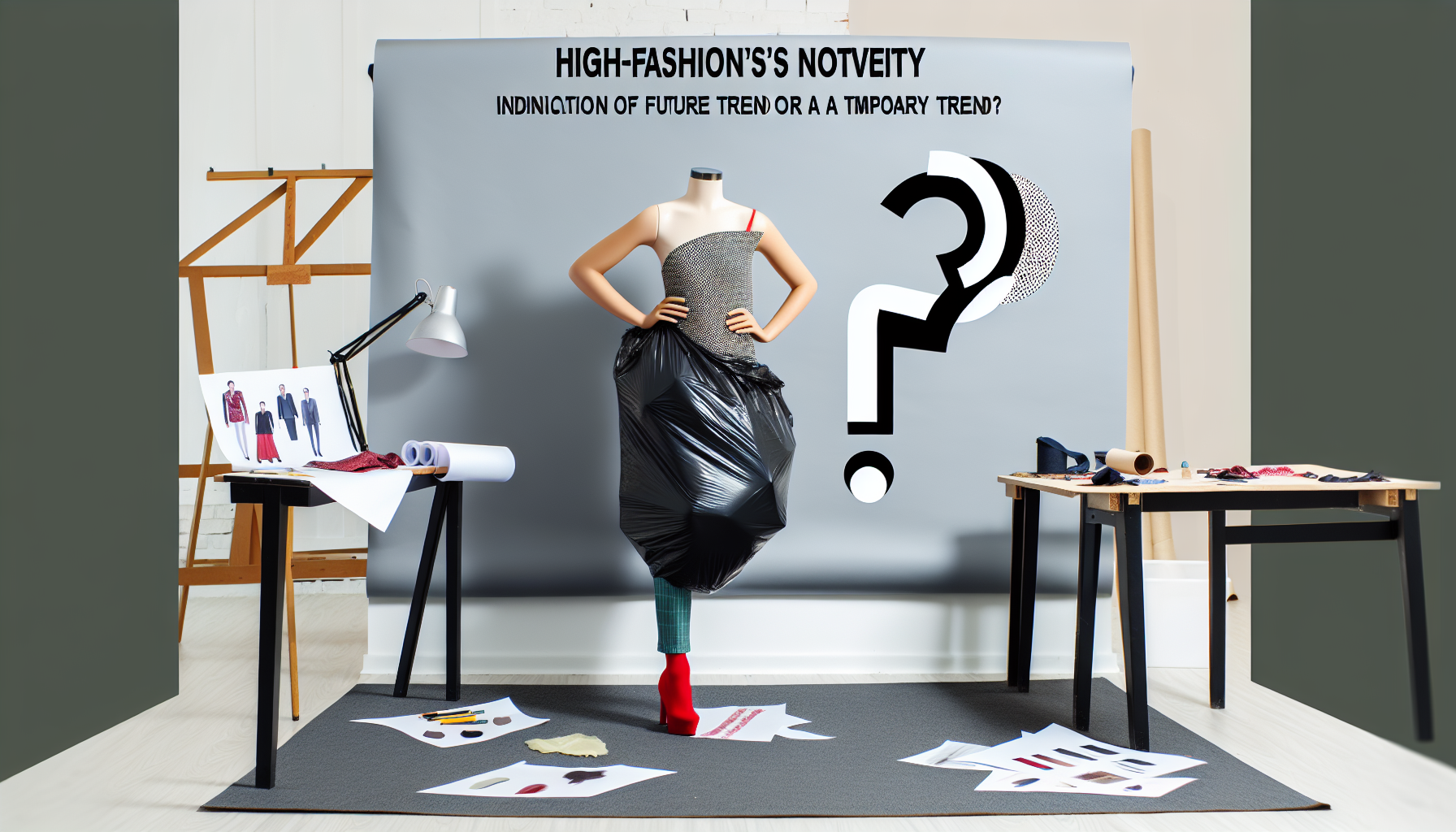
In the fast-paced world of luxury fashion, few items have stirred as much debate and intrigue as Balenciaga’s controversial yellow plastic trash bag. Released as part of their Spring/Summer 2022 collection, this seemingly mundane object transcended its intended purpose, quickly becoming a viral sensation on social media platforms. But what does this phenomenon signify for the future of fashion? Is it a groundbreaking innovation, or merely a troubling trend that underscores the industry’s fixation on novelty?
The Birth of a Viral Sensation
When Balenciaga introduced the yellow trash bag, it was met with both admiration and disdain. Priced at a staggering $1,790, the bag, officially titled the “Icare” bag, quickly captured the attention of fashion enthusiasts and casual observers alike. Social media platforms buzzed with images of the bag, often juxtaposed against actual trash bags, sparking a conversation about the blurred lines between luxury and absurdity. This builds on AI leadership insights.
As the hype grew, so did the scrutiny. Critics pointed out that the bag exemplified an alarming trend in high fashion—where the price tag often overshadows functionality and practicality. The fact that it is a glorified trash bag, crafted from shiny plastic and marketed as a luxury item, raises questions about the direction in which the fashion industry is heading.
Luxury Fashion: A New Kind of Statement Piece?
Luxury fashion brands have long been known for their avant-garde designs, but Balenciaga’s trash bag takes this concept to a new extreme. The piece challenges traditional notions of luxury by stripping away the usual embellishments and craftsmanship associated with high-end products. Instead, it relies on irony and social commentary to elicit a reaction.
This begs the question: Is this a genuine innovation in fashion, or is it simply a gimmick? Proponents of the bag argue that it reflects a deeper understanding of contemporary culture, where the lines between art, fashion, and social commentary are increasingly blurred. They contend that the trash bag serves as a critique of consumerism, forcing us to confront our relationship with luxury goods. must-see social media trends offers useful background here.
Consumer Reactions: Love It or Hate It
The reception of the Balenciaga trash bag has been polarizing. Some consumers embrace the absurdity, viewing it as a bold statement that encourages self-expression. Others, however, are appalled, seeing it as a symbol of excess and frivolity in a world grappling with serious issues like climate change and economic disparity.
- Supporters: They appreciate the irony and humor embedded in the design, viewing it as a commentary on the nature of consumerism.
- Critics: They argue that the bag trivializes the struggles faced by low-income individuals who use actual trash bags for their daily needs.
The Implications for the Fashion Industry
The rise of novelty items like the Balenciaga trash bag raises significant concerns about the future trajectory of the fashion industry. As brands increasingly rely on shock value and social media virality, the question arises: Are we witnessing a decline in creativity and craftsmanship?
In a landscape where the latest viral trend often overshadows actual design innovation, established luxury brands may find themselves trapped in a cycle of producing ever more outrageous items to capture consumer attention. This could ultimately dilute the value of true craftsmanship and artistry in fashion. (the future of digital engagement)
Luxury Redefined: The Role of Social Media
Social media’s influence on fashion cannot be overstated. Platforms like Instagram and TikTok have transformed the way brands communicate with their audiences, shifting the focus from traditional advertising to organic, user-generated content. In this new paradigm, items that evoke strong reactions—whether positive or negative—are more likely to gain traction.
The Balenciaga trash bag is a quintessential example of this phenomenon. Its ability to generate buzz on social media was instrumental in its success, leading to a surge in sales despite its outrageous price point. This reliance on virality raises questions about the sustainability of such marketing strategies.
Conclusion: The Future of Fashion?
As we reflect on the impact of Balenciaga’s trash bag, it becomes clear that it serves as a microcosm of the larger trends shaping the fashion industry. While it may be tempting to dismiss it as merely a novelty item, its implications extend far beyond its price tag. It challenges us to reconsider our definitions of luxury and the role of fashion in contemporary society.
Ultimately, whether the trash bag represents a genuine innovation or a troubling trend remains to be seen. What is certain is that it has sparked a critical conversation about the future of fashion, inviting us to explore the delicate balance between creativity, consumerism, and social responsibility in a rapidly changing world.


