

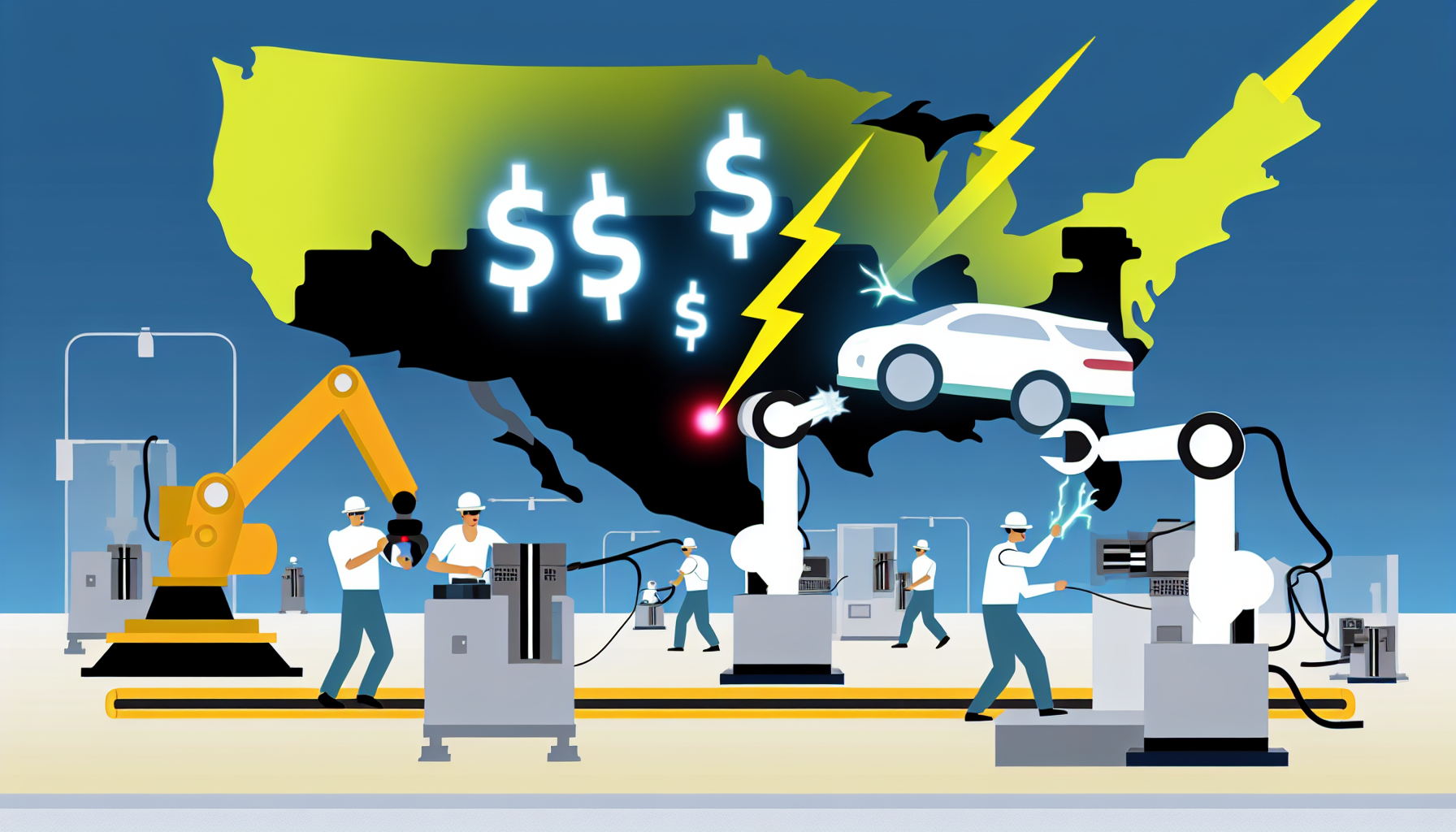
General Motors (GM) has made a bold statement regarding its electric vehicle (EV) production strategy, confirming that it will continue manufacturing models such as the Chevrolet Equinox EV and the Honda Prologue at its Ramos Arizpe facility in Mexico. This decision comes despite looming concerns over potential tariffs that could significantly increase vehicle costs in the U.S.
Tariff Threats and Production Decisions
Under the administration of former President Donald Trump, there were discussions about imposing tariffs that could add as much as $4,300 to the cost of each vehicle produced in Mexico. However, GM has reaffirmed its commitment to the Mexican plant, which has been exclusively focused on EV production since last year.
GM’s director, Adrián Enciso, emphasized that the company has no intentions of relocating its EV production back to the United States, despite the potential for increased costs due to tariffs. Instead, the company is prioritizing its operations in Mexico, where the Ramos Arizpe plant has not only contributed to the company’s EV lineup but also fostered economic growth in the region.
Impact on Local Economy
The Ramos Arizpe facility has had a significant impact on the local economy, creating approximately 5,000 jobs since it began its exclusive EV production. This job creation has been highlighted by Raquel Buenrostro, Mexico’s Secretary of Economy, who noted the positive effects of GM’s operations on employment and the broader economic landscape.
Future Production Plans
Looking ahead, GM is considering expanding its production capabilities to include the 2026 Chevy Spark for markets in Central and South America. This potential addition underlines GM’s strategy to strengthen its presence in international markets while maintaining robust production in Mexico.
Continued Sales in North America
In addition to expanding production, GM intends to continue selling its EV models in Canada and other international markets. This strategy reflects the company’s confidence in the growing demand for electric vehicles and its commitment to sustainability in its manufacturing processes.
Challenges and Opportunities in EV Market
The automotive industry is currently navigating a complex landscape of challenges, including supply chain disruptions and shifting consumer preferences. However, GM’s decision to maintain its production in Mexico positions the company to capitalize on the increasing demand for electric vehicles as consumers and governments alike prioritize sustainable transportation options.
With major investments in EV technology and production capabilities, GM is not only focusing on meeting current market demands but also preparing for future growth in the electric vehicle sector. The company’s commitment to its Mexican operations signifies its belief in the potential of Latin American markets and the importance of maintaining a competitive edge in production costs.
Conclusion
As the automotive industry continues to evolve, GM’s decision to keep its EV production in Mexico amid tariff concerns demonstrates a strategic approach to global manufacturing. By prioritizing the Ramos Arizpe facility and expanding its product offerings, General Motors is positioning itself as a leader in the electric vehicle market, while also contributing to local economic growth.
This commitment not only highlights GM’s resilience in the face of potential tariffs but also sets a precedent for other manufacturers navigating similar challenges in the rapidly changing automotive landscape. As the push for electric vehicles accelerates, GM’s focus on innovation and production efficiency will be critical to its success in the years to come.


