

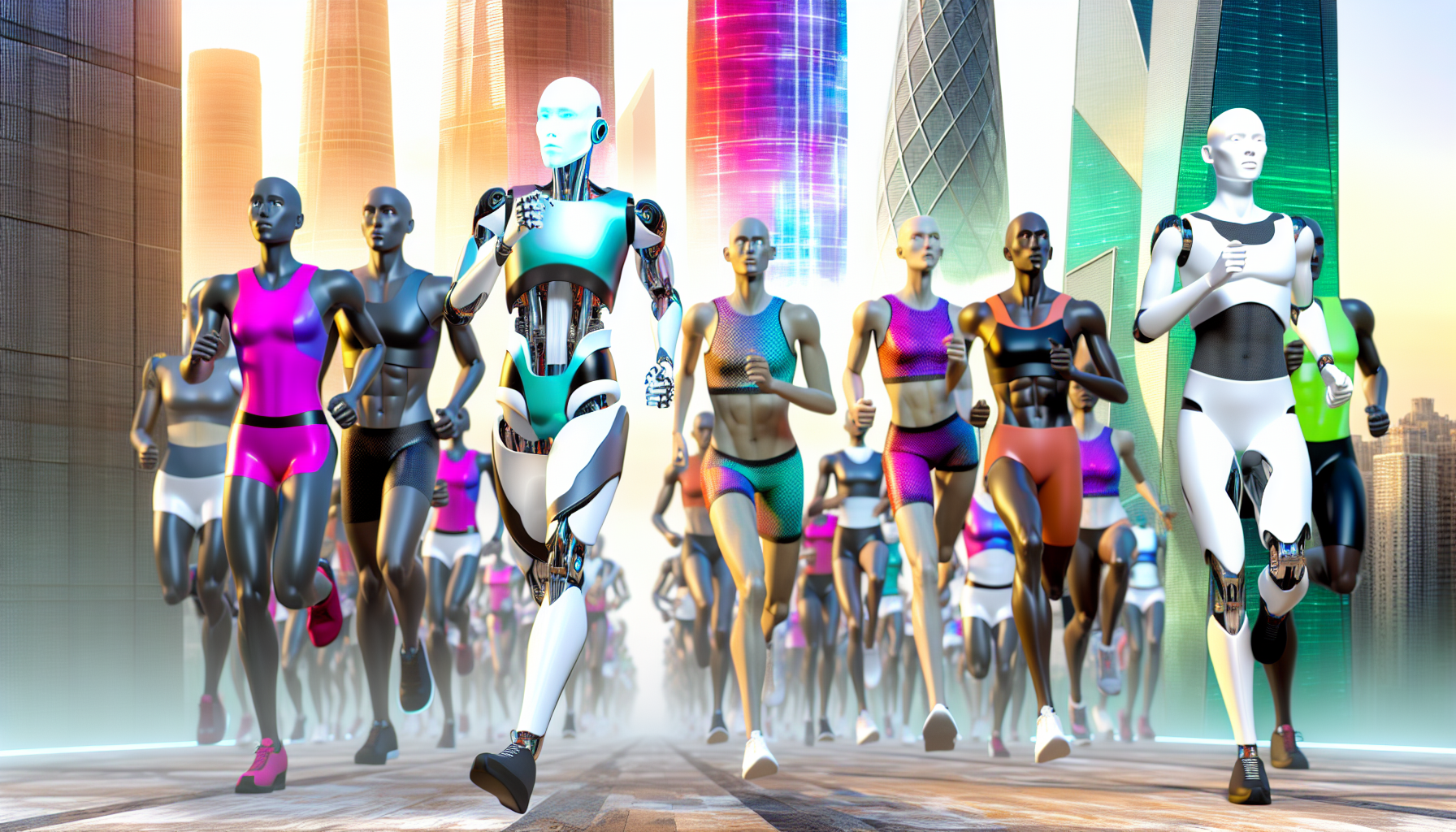
In a remarkable display of technological prowess, humanoid robots recently outperformed human runners during the Beijing Half Marathon, a development that has garnered attention from around the world. This event not only showcased the impressive capabilities of these advanced machines but also marked a significant milestone in the fields of robotics and artificial intelligence.
The Event: A Race Like No Other
Held in the bustling capital of China, the half marathon witnessed a historic moment as robots, designed with intricate engineering and cutting-edge AI, crossed the finish line faster than many of the human participants. This unprecedented feat raised eyebrows and sparked conversations about the future of robotics in sports and beyond. OpenAI's bold prediction offers useful background here.
Robots vs. Runners
The competition was fierce, but the humanoid robots showcased their remarkable speed, endurance, and mobility. While specifics about the exact times were not disclosed in the coverage, reports indicated that these mechanical athletes completed the race in times that would have placed them among the top finishers in traditional marathons.
- Speed: The robots demonstrated impressive sprinting capabilities, significantly reducing the gap between human and machine.
- Endurance: Designed for long-distance travel, the robots maintained a steady pace throughout the race.
- Mobility: Advanced algorithms allowed them to navigate obstacles along the course efficiently.
Technological Advancements at Play
The success of these humanoid robots can be attributed to several key advancements:
- Artificial Intelligence: AI plays a crucial role in enabling robots to learn from their environment and adapt their running techniques accordingly.
- Robotics Engineering: Innovations in robotics have led to the creation of lightweight materials and efficient motor systems, enhancing the physical capabilities of these machines.
- Data Analysis: Utilizing vast amounts of data, engineers are able to fine-tune the performance characteristics of robots for optimal results.
Implications for Future Applications
The implications of humanoid robots outperforming human runners extend far beyond the realm of sports. This breakthrough illustrates the rapid progress being made in robotic technologies, prompting a reevaluation of their potential roles in various sectors:
- Sports: As robots continue to evolve, they could participate in competitive sports, providing entertainment and raising questions about the nature of competition.
- Labor: Enhanced mobility and endurance make robots suitable candidates for physical labor in industries ranging from manufacturing to logistics.
- Daily Life: The development of humanoid robots could lead to more intelligent personal assistants, improving efficiency in household tasks.
Public Reaction and Future Outlook
The public response to the event was a blend of amazement and curiosity. Many spectators expressed a sense of wonder at how far technology has come, while others pondered the ethical implications of machines surpassing human capabilities. As robotic technology advances, discussions surrounding job displacement, ethical considerations, and the potential for collaboration between humans and robots will become increasingly relevant.
Challenges Ahead
Despite the excitement surrounding humanoid robots, several challenges must be addressed:
- Regulation: As robots become more integrated into society, clear regulations will be necessary to govern their use, especially in competitive environments.
- Ethical Considerations: The question of whether robots should compete against humans in sports raises ethical dilemmas that need careful consideration.
- Technological Dependence: Increased reliance on robots may lead to concerns about human skills and abilities diminishing over time.
Conclusion: A New Era of Robotics
The Beijing Half Marathon served as a pivotal moment in the journey of humanoid robots, illustrating their potential to challenge human limits. As technology continues to advance, the line between human and machine will blur, leaving us to ponder the future of competition, collaboration, and coexistence.
As we witness these machines take on more complex tasks and excel in areas previously dominated by humans, it becomes crucial to embrace the possibilities while also navigating the challenges that lie ahead. The race may have ended, but the journey towards integrating humanoid robots into our lives is just beginning.


