

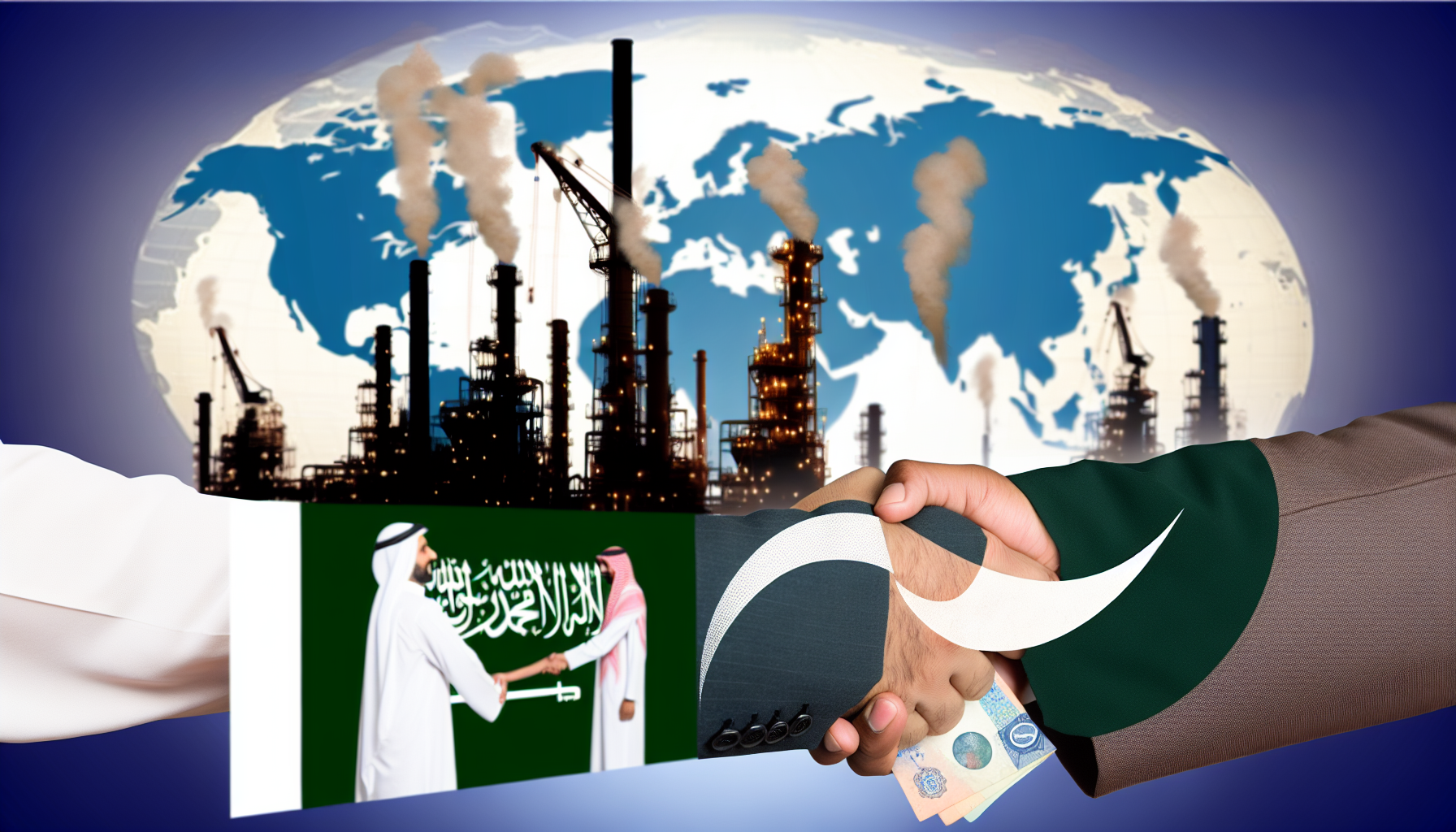
In a significant financial development, Pakistan has successfully cleared a $2 billion debt owed to the United Arab Emirates (UAE). This announcement was confirmed by the State Bank of Pakistan (SBP) on April 19, 2026, marking a crucial step in the country’s ongoing efforts to stabilize its economy amid persistent challenges.
Financial Transactions Highlighting Gulf Cooperation
The repayment to the UAE comes shortly after Saudi Arabia made a pivotal move by depositing $2 billion into Pakistan’s central bank reserves. This transaction is part of a broader $3 billion support package that Saudi Arabia structured as a safe deposit, demonstrating the Kingdom’s commitment to assisting Pakistan during this tumultuous period.
The SBP spokesperson underscored the importance of these financial maneuvers, noting that they reflect the deepening economic ties between Pakistan and its Gulf partners. This coordination is particularly vital as Pakistan navigates through significant economic hurdles, including a depreciating currency and rising inflation.
Pakistan’s Economic Challenges
Pakistan’s economy has faced numerous challenges over the past few years. The country has grappled with a high inflation rate, which reached an alarming peak of 27.55% in 2023, significantly impacting the purchasing power of its citizens. Additionally, the Pakistani rupee has seen substantial depreciation, further straining the economy.
These economic difficulties have prompted the government to seek assistance from international allies, particularly from Gulf states like Saudi Arabia and the UAE. The repayment to the UAE signifies not only a commitment to fulfilling international obligations but also a potential step towards regaining investor confidence.
Saudi Arabia’s Continued Support
Saudi Arabia’s financial backing has been crucial for Pakistan in recent years. The recent $3 billion support package, which includes the $2 billion deposit, is part of a series of financial aids that the Kingdom has extended to Pakistan. Historically, Saudi Arabia has provided substantial financial support during times of crisis, helping to stabilize Pakistan’s economy.
In addition to the financial support, Saudi Arabia has also expressed a willingness to collaborate on various economic projects in Pakistan, ranging from energy to infrastructure development. This partnership is viewed as mutually beneficial, as it allows Saudi Arabia to expand its influence in South Asia while providing Pakistan with much-needed financial relief.
Implications for Future Economic Stability
The recent financial transactions between Pakistan, the UAE, and Saudi Arabia are critical in shaping the future of Pakistan’s economic landscape. Clearing the $2 billion debt to the UAE not only alleviates immediate financial pressure but also positions Pakistan to negotiate future financial arrangements more favorably. (banking opportunities in Pakistan)
Economists argue that these developments could be pivotal in restoring international confidence in Pakistan’s economy. With the backing of Gulf nations, Pakistan may find it easier to access international markets and attract foreign investment, which is essential for sustainable economic growth.
Looking Ahead: Economic Reforms and Resilience
While the repayment of the UAE debt and Saudi Arabia’s continued support are positive developments, Pakistan’s economic recovery will ultimately depend on the government’s ability to implement effective reforms. Experts emphasize the need for structural reforms aimed at enhancing fiscal discipline, improving governance, and fostering a conducive environment for investment.
Moreover, addressing the underlying issues contributing to inflation and currency depreciation will be crucial. The government must focus on increasing productivity, enhancing export competitiveness, and diversifying its economy to reduce reliance on external financial support.
Conclusion
The recent financial activities involving Pakistan, the UAE, and Saudi Arabia illustrate the importance of international partnerships in navigating economic challenges. As Pakistan clears its debts and secures vital support from Gulf nations, it stands at a crossroads. The nation’s ability to leverage this support into long-term economic stability will depend on its commitment to reform and resilience in the face of ongoing economic pressures.
As the situation unfolds, stakeholders will be watching closely to see how Pakistan manages its economic recovery and the role that its Gulf partners will continue to play in shaping its financial future.


