

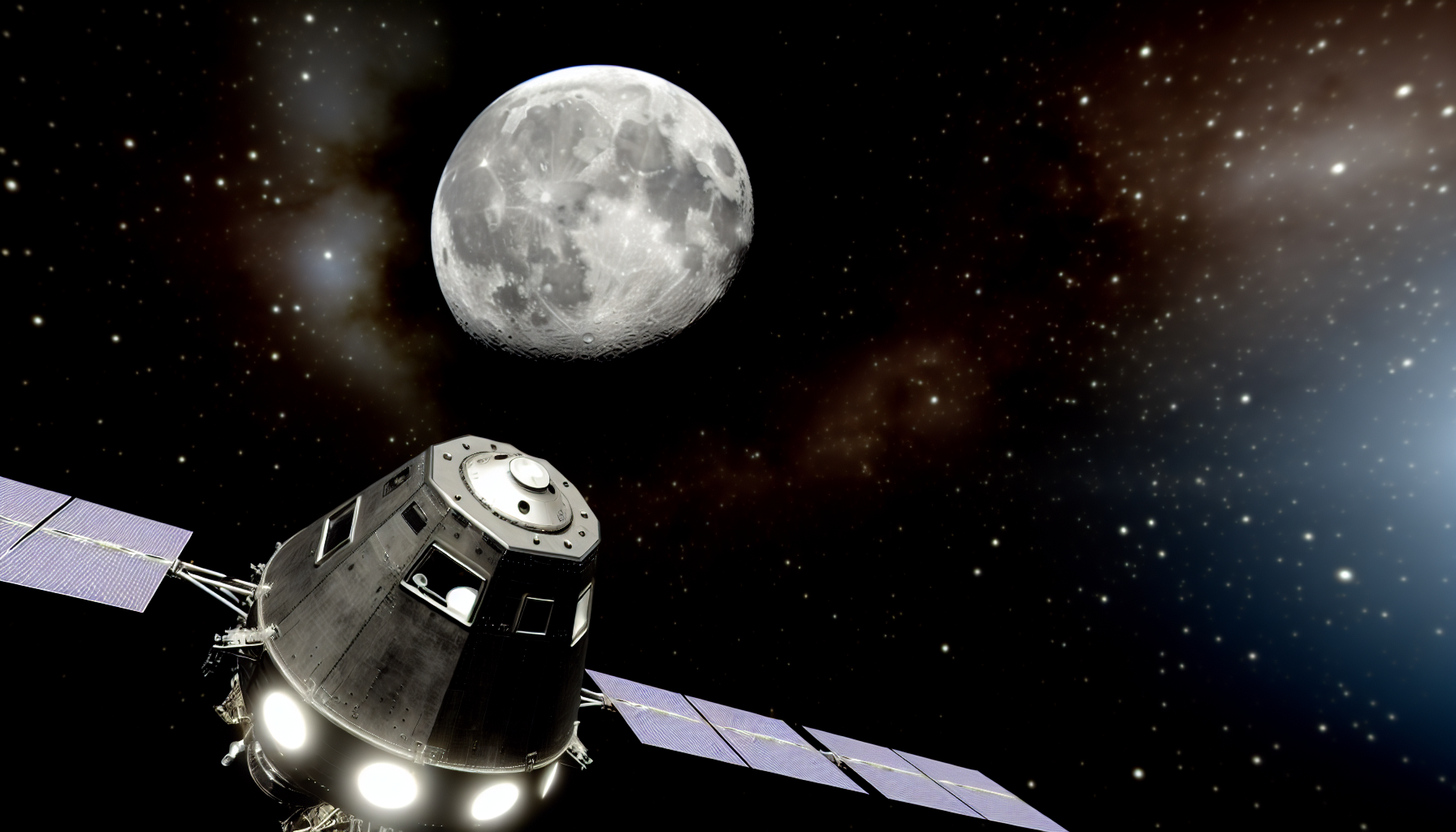
NASA’s ambitious Artemis 2 mission is gearing up for a historic launch on April 1, 2026. This mission will transport four astronauts aboard the Space Launch System (SLS) rocket, marking a significant milestone as humanity prepares to return to lunar orbit after more than fifty years. Artemis 2 represents not just a leap toward returning to the Moon but also an important step in the broader exploration of our solar system.
Mission Overview
Artemis 2 is set to embark on a 10-day journey that will take the crew into the Moon’s sphere of influence. This mission is designed to test critical systems and provide invaluable data that will inform future lunar landings and missions to Mars. Unlike its predecessor, Artemis 1, which was an uncrewed test flight, Artemis 2 will have astronauts on board, allowing for real-time assessments of human factors in space travel.
The Journey to the Moon
The mission’s schedule boasts several key milestones during its lunar flyby:
- Day 5: The spacecraft will enter the Moon’s gravitational influence. This phase is critical for conducting gravity tests, allowing mission planners to assess how the spacecraft interacts with the Moon’s gravitational pull.
- Day 6: Artemis 2 will reach its closest approach to the Moon, circling the far side. This unprecedented human observation will enable astronauts to capture data and images that have never been seen before, adding to our understanding of the lunar environment.
These observations are not only exciting from a scientific perspective but also essential for preparing for future manned landings on the lunar surface.
Technical Challenges and Preparedness
The Artemis 2 mission is not without its challenges. NASA engineers are continuously reviewing the schedule due to various factors, including technical challenges, weather conditions, and engineering requirements. The agency is committed to ensuring that all systems are functioning optimally before the launch.
One of the crucial aspects of the mission is the astronaut suits, which will be tested extensively. These suits are designed to provide a breathable atmosphere for astronauts for up to six days in case of emergencies, ensuring their safety during the mission.
The Astronaut Crew
The crew for Artemis 2 has not yet been officially announced, but it is expected to include a diverse group of astronauts representing different backgrounds and expertise. This selection process is critical, as the astronauts will need to work seamlessly together to navigate the complexities of the mission. Their training will focus on the operational aspects of the spacecraft and preparing for the unique challenges of lunar exploration.
Significance of Artemis 2
The Artemis 2 mission is part of NASA’s larger Artemis program, which aims to establish a sustainable human presence on the Moon by the end of the decade. This program is not only about lunar exploration but also serves as a stepping stone for future missions to Mars and beyond. Artemis 2 will help validate the systems and technologies needed for long-duration spaceflights, which are crucial for any future manned missions to the Red Planet.
Moreover, the mission will provide an opportunity to engage the public in space exploration, inspiring a new generation of scientists, engineers, and explorers. As humanity stands on the brink of returning to the Moon, the excitement surrounding Artemis 2 serves as a reminder of the incredible possibilities that lie ahead.
Conclusion
As the launch date approaches, anticipation for the Artemis 2 mission continues to grow. The prospect of humans once again orbiting the Moon opens a new chapter in space exploration, one that promises to expand our knowledge and capabilities in ways we can only begin to imagine. With rigorous training, thorough testing, and a commitment to safety, NASA is preparing to not just reach the Moon but to inspire the world with the possibilities that await in the cosmos.


