

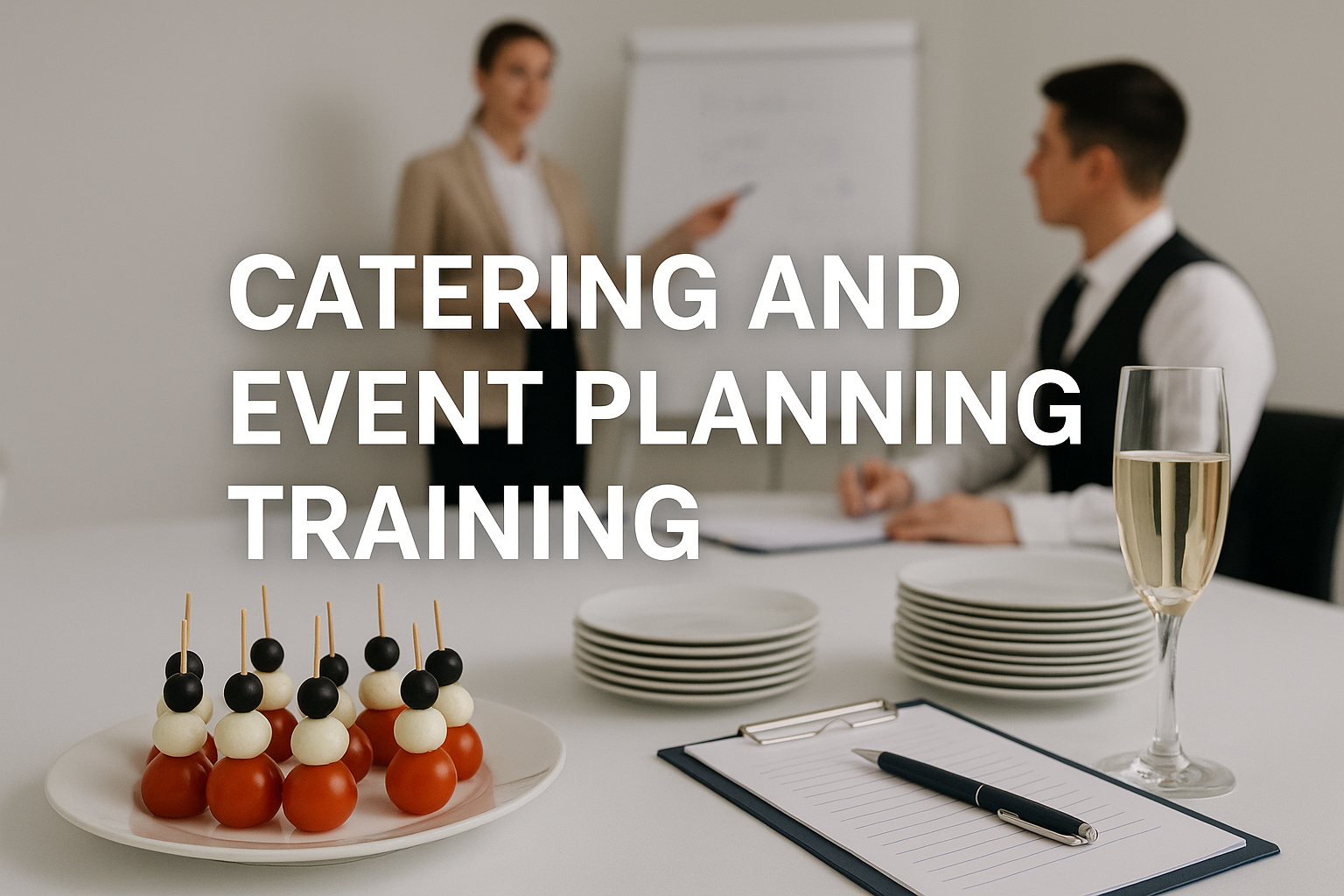
Catering and event planning is a fascinating field that merges creativity with organizational skills. Whether you’re dreaming of working in a grand ballroom or a cozy backyard, catering event planning courses can be a game-changer. They offer the foundational skills needed for successfully executing events ranging from weddings to corporate gatherings. Let’s explore why these courses are vital for anyone looking to make a mark in the catering industry.
The Growing Demand for Event Planners
The event planning industry has witnessed significant growth over the past decade. Statistics show that the industry is projected to grow to $1,135 billion by 2026, making it an attractive career choice for many. The rise in events—be it corporate meetings, weddings, or festivals—translates to a steady demand for skilled professionals who can orchestrate these occasions flawlessly.
According to a survey conducted by Eventbrite, 79% of event creators say they plan to host more events in the coming years. This increasing demand is not just about quantity; it’s about quality. Clients are looking for planners who can deliver unique and memorable experiences, which is where specialized training comes into play.
What You’ll Learn in Catering Event Planning Courses
Catering event planning courses encompass a variety of essential skills that are crucial for success in the industry. Here’s what you can typically expect to learn:
- Budget Management: Understanding how to create and manage a budget is critical. You’ll learn how to negotiate with vendors, allocate funds effectively, and ensure that you’re delivering an event that meets client expectations without breaking the bank.
- Vendor Coordination: Courses often cover the intricacies of working with various vendors, including caterers, florists, and equipment rental companies. Learning how to effectively communicate and collaborate with these parties can save you time and stress.
- Design Principles: Aesthetic plays a significant role in event planning. You’ll explore design elements, color theory, and how to create a cohesive theme that resonates with your client’s vision.
- Logistics and Operations: Organizing an event involves a plethora of moving parts. Courses will teach you how to manage timelines, staffing, and contingency plans to ensure everything runs smoothly.
- Marketing Skills: In today’s digital age, understanding how to market your events is essential. You’ll learn about social media strategies, promotional tactics, and how to build a brand that stands out in a crowded marketplace.
The Benefits of Hands-On Experience
While theoretical knowledge is vital, hands-on experience is equally important in catering and event planning. Many programs incorporate internships or live projects as part of the curriculum. This practical exposure allows you to:
- Apply your classroom knowledge in real-world scenarios, enhancing your problem-solving skills.
- Build a portfolio of work that showcases your skills to potential employers.
- Create a network of industry contacts, which can be invaluable when seeking employment or freelance opportunities.
Moreover, working in real-time events allows you to learn the nuances of client interactions and the ability to adapt to unexpected challenges, a skill that can only be honed through experience. There’s a fuller look at top event planning schools.
Current Trends in Catering and Event Planning
The catering and event planning landscape is ever-evolving, influenced by changes in technology, consumer preferences, and global events. Here are a few current trends that anyone interested in catering event planning courses should be aware of: Edrater's college rankings offers useful background here.
- Sustainability: With growing awareness about environmental issues, many clients are seeking sustainable options in catering and event planning. This includes using locally sourced ingredients and eco-friendly decor.
- Virtual and Hybrid Events: The pandemic accelerated the shift towards online and hybrid events. Understanding how to seamlessly integrate digital elements into traditional formats is increasingly important.
- Personalization: Clients desire unique, tailored experiences. This trend includes customizable menus and themed events that reflect personal stories and preferences.
Staying abreast of these trends through ongoing education will not only enhance your skills but also ensure that you remain competitive in the job market.
Choosing the Right Course
When selecting catering event planning courses, consider the following factors:
- Accreditation: Ensure the program is recognized by industry bodies, which can lend credibility to your qualifications.
- Curriculum Content: Look for programs that cover the essential skills and current trends discussed above.
- Flexibility: With many professionals juggling jobs, online courses or part-time options can be a great way to gain skills without sacrificing your current employment.
Investing in a well-structured program can set you apart in this competitive field, laying the groundwork for a successful career.
Catering and event planning is more than just organizing parties; it’s about creating unforgettable experiences. By enrolling in catering event planning courses, you’re taking the first step toward mastering this art and launching a fulfilling career that brings joy to others.
Trending Now
- 80. State University vs Private University: Alin ang Mas Mabuti?
- read the full story
- our breakdown of best jamb lesson apps for android
- 89. Top Nursing Schools in Manila…
- the complete explanation
Frequently Asked Questions
What is catering and event planning training?
Catering and event planning training involves courses that equip individuals with the skills needed to organize and execute events. These courses cover essential topics like budget management, vendor coordination, and design principles, providing a solid foundation for those looking to succeed in the catering industry.
Why is there a demand for event planners?
The demand for event planners is growing due to the increasing number of events being hosted, such as weddings, corporate meetings, and festivals. The industry is projected to reach $1,135 billion by 2026, highlighting the need for skilled professionals who can create memorable experiences.
What skills do you learn in catering event planning courses?
Catering event planning courses teach critical skills such as budget management, vendor coordination, and design principles. Students learn to negotiate with vendors, manage budgets effectively, and collaborate with various service providers to ensure successful event execution.
How can catering event planning courses help my career?
Catering event planning courses can significantly enhance your career prospects by providing the foundational skills necessary to excel in the industry. With specialized training, you'll be better equipped to meet client expectations and deliver unique and memorable events.
What are the benefits of taking event planning courses?
Taking event planning courses offers numerous benefits, including gaining industry-specific knowledge, developing essential organizational skills, and improving your ability to manage various aspects of event execution. This training helps you stand out in a competitive job market.
What's your take on this? Share your thoughts in the comments below — we read every one.


