

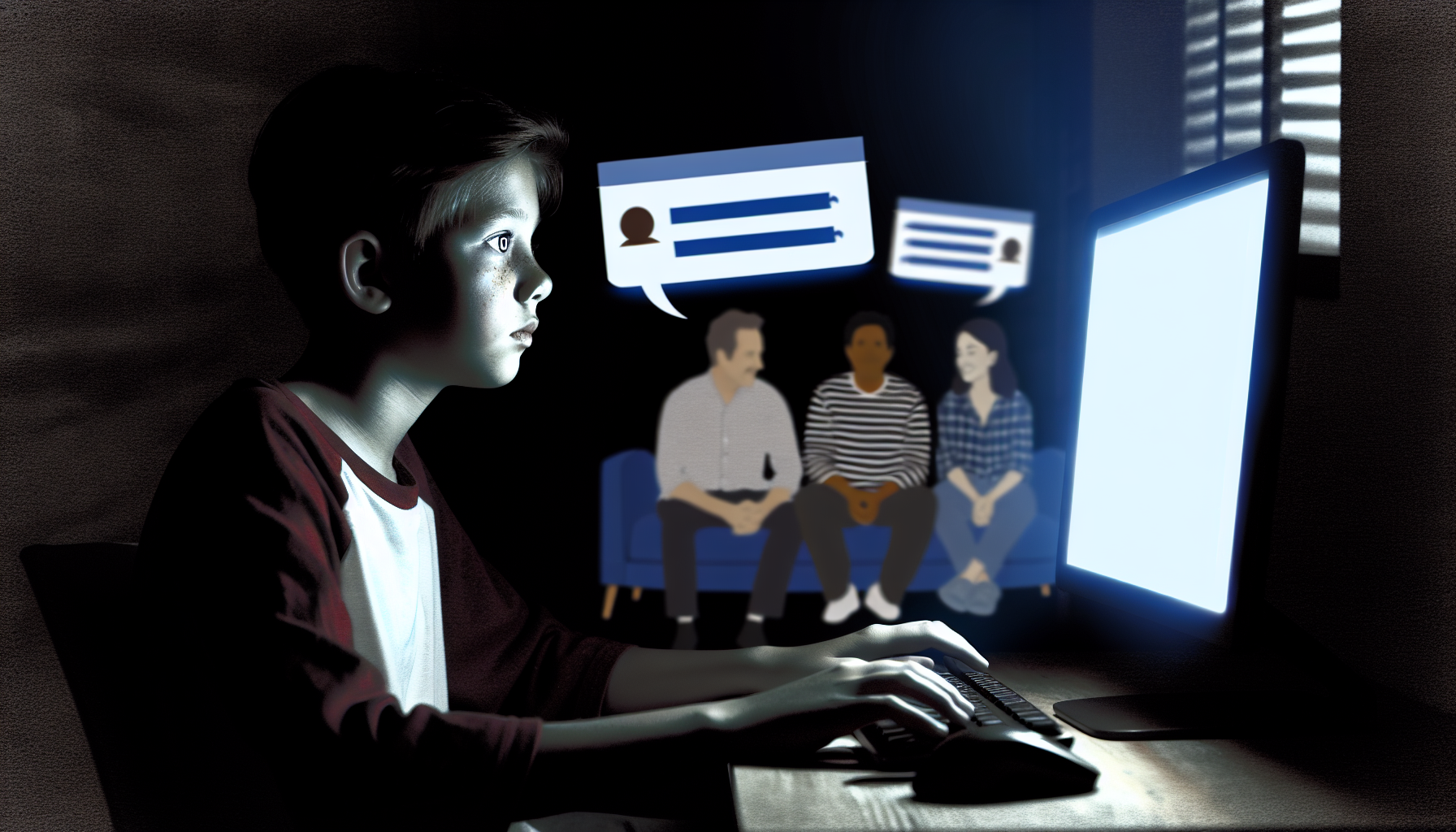
In an age where digital communication is at its peak, a growing trend has surfaced: teenagers are increasingly choosing to confide in strangers online rather than their own parents. Platforms like Reddit, Discord, and various anonymous chat rooms have become safe havens for teens seeking advice, support, and connection. While this behavior may appear harmless on the surface, it raises critical questions about emotional safety and the disconnection between parents and their children.
Understanding the Shift
Recent studies have shown that many adolescents find it easier to share their thoughts and feelings with anonymous strangers than to open up to their parents. One key factor driving this trend is the anonymity offered by these online platforms. Teens often believe that they can speak freely without the fear of judgment or repercussions, creating a space that feels safe and non-threatening.
The Appeal of Anonymity
In a world where teenagers are constantly navigating social pressures, the ability to communicate anonymously can be liberating. Many teens report feeling that their parents may not understand their experiences or may react negatively to their concerns. This sentiment can lead to a fear of expressing themselves openly, resulting in a reliance on virtual strangers who may offer a more sympathetic ear.
Moreover, the anonymity of online interactions allows teens to discuss sensitive topics such as mental health, relationships, and personal struggles without the stigma that might accompany such discussions in their homes. They may feel more comfortable seeking help from strangers who have no preconceived notions about them.
The Role of Digital Communities
Digital communities on platforms like Reddit and Discord provide access to vast networks of peers who may be experiencing similar challenges. These spaces often cultivate a sense of belonging that some teenagers may not find at home. In these online forums, they can connect with individuals who share their interests or struggles, fostering a sense of camaraderie that may be missing in their offline lives.
Additionally, these platforms often provide a wealth of information and resources about various topics, from mental health issues to academic pressures. In many cases, teenagers find that the advice they receive from online communities is more relatable and relevant than what they might get from their parents.
Parental Disconnection
The trend of teens turning to strangers for support can also be linked to a notable disconnection between parents and their children. Many parents, caught up in their busy lives, may not realize the depth of the struggles their teens face. This disconnect can lead to a lack of open communication and understanding, causing adolescents to seek validation and support elsewhere.
Furthermore, generational gaps in understanding technology and social media can hinder effective communication. Parents who are unfamiliar with the platforms their children are using may struggle to engage in meaningful conversations about their experiences, leading teens to believe that their parents are out of touch.
Emotional Safety and Support
For many teenagers, the emotional safety offered by online spaces is a significant factor in their decision to confide in strangers. Unlike family discussions, which can sometimes lead to confrontational or judgmental responses, online interactions often provide a more understanding and forgiving environment.
Troublingly, this reliance on anonymous sources for emotional support can have both positive and negative implications. On the one hand, teens may find the support they need during challenging times; on the other hand, they may encounter misinformation or harmful advice from unqualified individuals.
Encouraging Open Dialogue
As parents, it is crucial to foster an environment where children feel comfortable discussing their thoughts and feelings. To bridge the gap that has formed, parents should consider the following approaches:
- Open Communication: Create a home environment that encourages open dialogue. Show genuine interest in your child’s life and listen without judgment.
- Educate Yourself: Familiarize yourself with the digital platforms your teen uses. Understanding their online world can help you engage in more meaningful conversations.
- Be Approachable: Make it known that you are available for discussions, even about difficult topics. Let them know that it is okay to share their struggles with you.
- Validate Their Feelings: Acknowledge your child’s feelings and experiences. Avoid dismissing their concerns, as this may push them away.
Conclusion
The trend of teenagers confiding in strangers online rather than their parents is a complex phenomenon that highlights the importance of emotional safety and the need for open communication. As parents, it is essential to recognize the signs of disconnection and take proactive steps to foster a supportive environment. By doing so, parents can help bridge the gap, ensuring that their children feel comfortable sharing their thoughts and feelings at home.


