

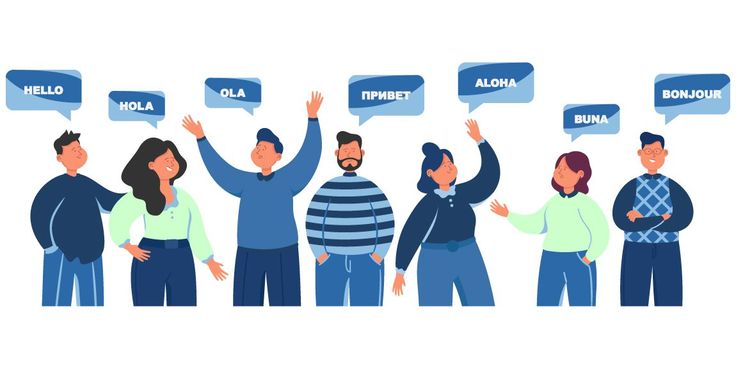
A native language, also known as a first language (L1) or mother tongue, is the language a person has been exposed to from birth or within the critical period of language acquisition. It is typically the language that an individual learns and uses most proficiently, and often the one with which they most strongly identify culturally.
Key aspects of native language include:
- Acquisition process: Learned naturally through immersion and interaction with family and community.
- Proficiency: Generally the language in which a person has the highest level of fluency and comfort.
- Cognitive foundation: Often serves as the basis for learning additional languages and understanding complex concepts.
- Cultural connection: Frequently tied to an individual’s cultural identity and heritage.
- Linguistic intuition: Native speakers often have an innate sense of what “sounds right” in their language.
In multilingual societies, a person may have more than one native language if they are exposed to multiple languages from birth. This is known as simultaneous bilingualism or multilingualism.
Understanding the concept of native language is crucial in various fields:
- Education: Informs bilingual education policies and second language teaching methods.
- Linguistics: Provides insights into language acquisition and development.
- Psychology: Helps in understanding cognitive processes and identity formation.
- Sociology: Offers perspectives on cultural preservation and integration.
Challenges related to native language include:
- Language attrition: Possible loss of proficiency if the language is not regularly used.
- Heritage language learners: Individuals who grow up hearing a language but may not develop full proficiency.
- Language rights: Issues surrounding the use and preservation of minority languages.
Recognizing the importance of native languages is essential for promoting linguistic diversity, preserving cultural heritage, and developing effective educational and social policies in multicultural societies.


