

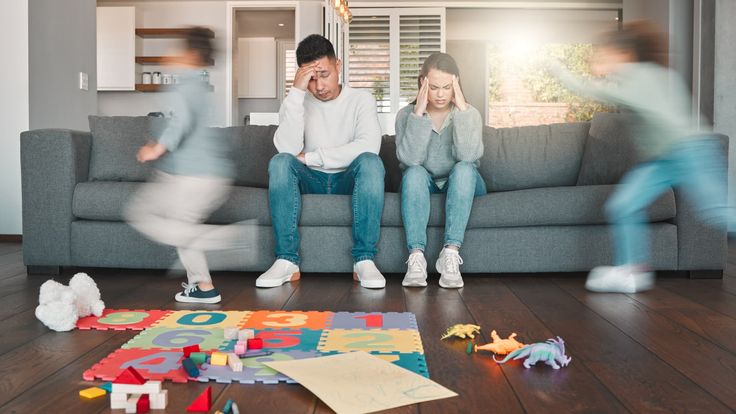
Co-regulation is a developmental process in which caregivers or educators support and guide a child’s ability to understand, express, and modulate their thoughts, feelings, and behaviors. This concept is particularly important in early childhood development and education, as it helps children develop self-regulation skills.
Key aspects of co-regulation include:
- Supportive relationships: Adults provide a warm, responsive relationship as a foundation for co-regulation.
- Environmental structure: Creating an environment that supports self-regulation through routines, expectations, and physical organization.
- Coaching and modeling: Adults demonstrate and explain self-regulation strategies.
- Scaffolding: Providing support that gradually decreases as the child develops their own self-regulation skills.
- Emotional support: Helping children identify and manage their emotions effectively.
Co-regulation is crucial for children’s social-emotional development and lays the groundwork for future self-regulation skills, which are essential for academic success and overall well-being.


