

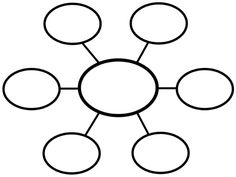
A semantic map, also known as a concept map or graphic organizer, is a visual representation of ideas, concepts, and their relationships. This tool is used to organize information in a hierarchical structure, showing how different pieces of information are connected and related to a central topic or theme.
Key components of a semantic map:
- Central concept: The main idea or topic placed at the center of the map.
- Branches: Lines or arrows extending from the central concept to related subtopics.
- Subtopics: Secondary ideas that elaborate on or relate to the central concept.
- Details: Specific information, examples, or characteristics associated with each subtopic.
- Cross-links: Connections between different branches or subtopics.
Benefits of using semantic maps:
- Organizes information in a visually accessible format
- Facilitates understanding of complex relationships between ideas
- Enhances memory and recall of information
- Promotes critical thinking and analysis
- Supports brainstorming and idea generation
- Helps identify gaps in knowledge or understanding
Applications in education:
- Pre-reading: Activating prior knowledge and setting a purpose for reading
- During reading: Organizing and summarizing information as it’s encountered
- Post-reading: Synthesizing and reviewing key concepts
- Writing: Planning and organizing ideas for essays or reports
- Vocabulary development: Exploring word relationships and associations
- Content area learning: Connecting concepts across various subjects
Creating a semantic map:
- Identify the central concept or topic
- Brainstorm related ideas, subtopics, or categories
- Organize these ideas into a hierarchical structure
- Add specific details, examples, or characteristics to each subtopic
- Draw connections between related ideas across different branches
- Review and refine the map as understanding deepens
Semantic maps can be created individually or collaboratively, using paper and pencil or digital tools. They are adaptable to various learning styles and can be used across grade levels and subject areas.
By incorporating semantic mapping into their instructional practices, educators can provide students with a powerful tool for organizing, analyzing, and synthesizing information, leading to deeper understanding and more effective learning across the curriculum.


