

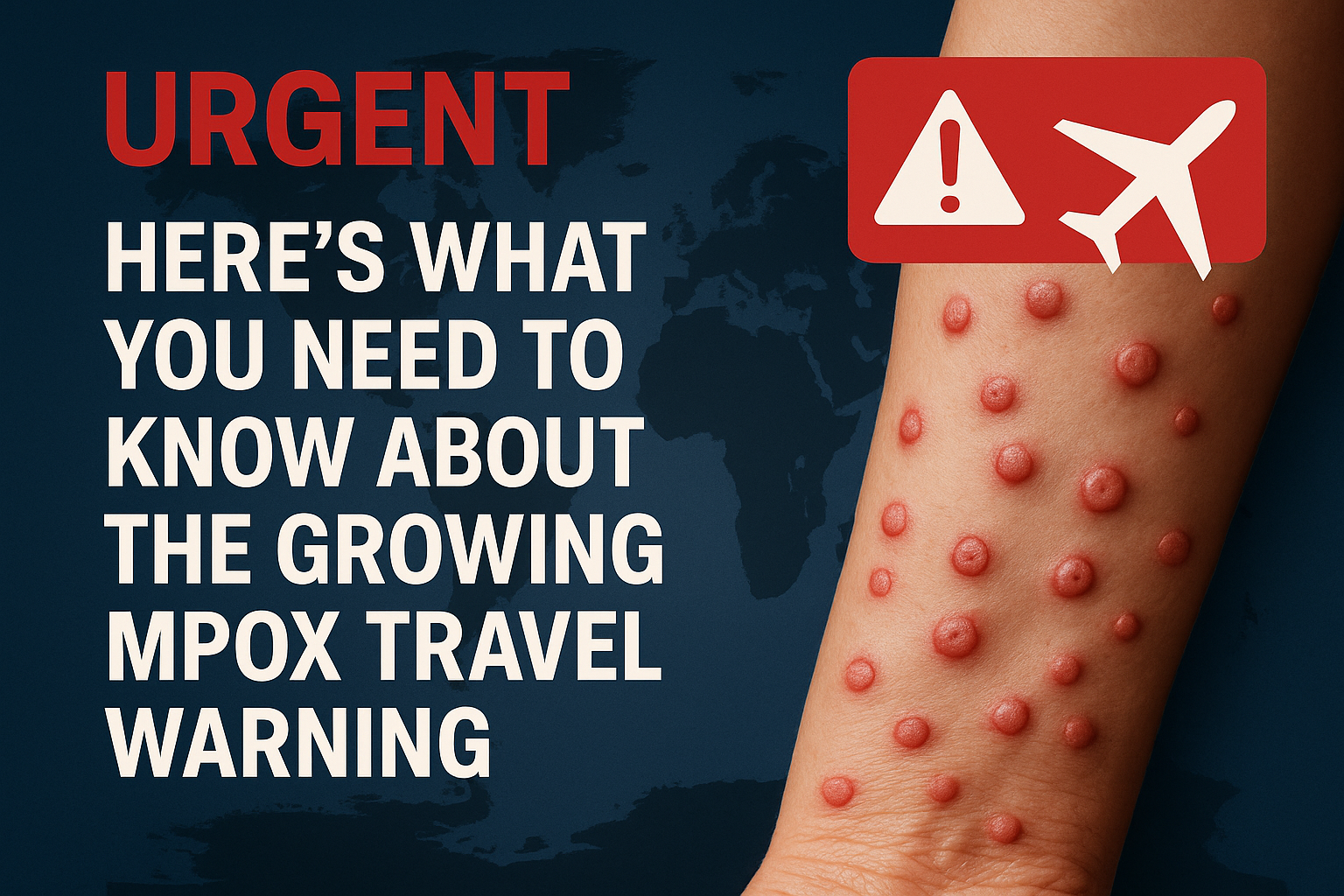
The Centers for Disease Control and Prevention (CDC) has issued a mpox travel warning due to a small but alarming increase in cases linked to international travel. While the overall risk to the general population in the United States remains low, the emergence of clade I mpox cases is prompting travelers to stay informed and vigilant.
Understanding the Mpox Situation
According to the CDC, there have been a total of 17 reported cases of mpox in the U.S. since November 2024, with 11 cases documented between November 2024 and February 2026. Following that period, an additional six cases were confirmed between March 2026 and now. What makes these cases particularly noteworthy is their connection to recent travel to regions where mpox is endemic, specifically areas in Central and Eastern Africa. Furthermore, new outbreaks have also been recorded in parts of Western Europe, raising concerns among health officials and travelers alike. COSMIQ insights offers useful background here.
What’s Causing the Rise in Cases?
The rise in mpox cases is attributed to several factors. The CDC has linked these instances to travelers returning from affected areas. As international travel resumes, the risk of exposure to infectious diseases like mpox increases, especially for those visiting regions where it is prevalent. The CDC’s current data suggests that the majority of cases are related to travel, emphasizing the need for precautions when venturing into high-risk areas.
Symptoms and Transmission
Understanding the symptoms of mpox is essential for travelers. The disease often presents with symptoms that may initially resemble chickenpox or measles, including:
- Fever
- Chills
- Rash that develops into lesions
- Muscle aches
- Fatigue
- Swollen lymph nodes
These symptoms typically appear within 7 to 14 days after exposure. It’s important for travelers who experience these symptoms after returning from affected areas to seek medical attention promptly. The disease spreads through direct contact with lesions, bodily fluids, or respiratory droplets from an infected individual, which can occur in crowded places and shared accommodations.
Travel Precautions to Consider
With the mpox travel warning in place, it’s crucial for travelers to take necessary precautions. Here are some recommendations:
- Stay Informed: Keep up to date with travel advisories from the CDC and local health authorities regarding mpox cases.
- Practice Good Hygiene: Regular handwashing and the use of hand sanitizers can help reduce the risk of infection.
- Avoid Close Contact: Limit close interactions with individuals who show symptoms of illness, particularly during travel.
- Health Precautions: If traveling to affected areas, consider wearing masks in crowded or enclosed spaces.
By following these guidelines, travelers can better protect themselves from potential exposure to mpox during their journeys.
What to Do If You’re Planning Travel
If you have upcoming travel plans, especially to Central and Eastern Africa or parts of Western Europe, it’s crucial to evaluate your itinerary. Here are steps to consider:
- Consult Health Professionals: Speak with your healthcare provider about your travel plans and any recommended vaccinations or health precautions.
- Monitor Health Reports: Stay updated on the latest health reports and mpox case counts in your intended travel destination.
- Plan for Emergencies: Have a plan in place should you experience symptoms while traveling, including local medical facilities and emergency contacts.
The current public health situation necessitates that travelers remain cautious and proactive when it comes to their health. The CDC’s mpox travel warning should not be taken lightly, as it underscores the importance of being informed and prepared.
In Summary
The emergence of mpox cases in the U.S. linked to travel is a wake-up call for both health officials and travelers. While the risk remains low for most people, the interconnectedness of our global community means that vigilance is key. By understanding the risks, recognizing symptoms, and taking appropriate precautions, travelers can navigate their journeys with greater confidence. Make sure to stay updated on travel advisories and health guidelines as you embark on your next adventure.


