

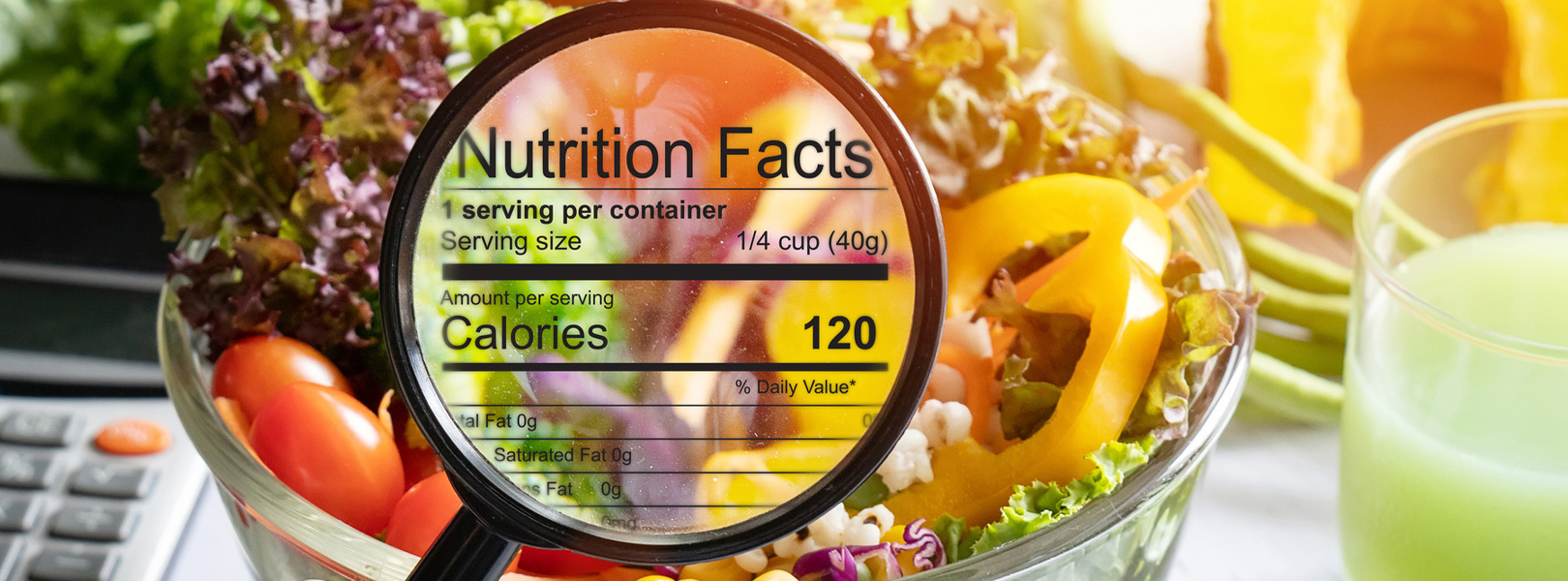
Nutrition Facts labels are essential tools for making informed food choices, but they can be confusing if you don’t know how to interpret them. Understanding these labels can help you maintain a balanced diet and make healthier food selections.
Serving Size: This is the foundation of the label. All the nutritional information provided is based on this amount. Be aware that a package may contain multiple servings.
Calories: This number represents the energy you get from one serving. The general guide is 40 calories is low, 100 is moderate, and 400 or more is high.
Total Fat: This includes all types of fats. Look at the breakdown of saturated and trans fats, which should be limited in a healthy diet.
Cholesterol and Sodium: These are important to monitor, especially if you have certain health conditions. The percentage of Daily Value (%DV) can help you quickly assess if a food is high or low in these nutrients.
Total Carbohydrates: This includes dietary fiber, total sugars, and added sugars. Fiber is beneficial for digestive health, while added sugars should be limited.
Protein: Essential for building and repairing tissues, protein needs vary based on age, sex, and activity level.
Vitamins and Minerals: The label lists key micronutrients. Look for foods high in vitamins and minerals you need more of in your diet.
Percent Daily Value (%DV): This shows how much a nutrient in a serving contributes to a total daily diet, based on 2,000 calories a day. As a general guide, 5% DV or less is considered low, while 20% DV or more is high.
When using the Nutrition Facts label:
- Check the serving size and compare it to how much you actually eat.
- Consider the calories and choose foods that help you maintain a healthy weight.
- Use %DV to compare products and choose those higher in nutrients you want more of (like fiber) and lower in those you want less of (like saturated fat).
- Look at the ingredient list. Ingredients are listed in order of quantity, from most to least.
Remember, no single food determines your diet’s healthfulness. Use the Nutrition Facts label as a tool to make informed choices and create a balanced diet over time. Combine this information with knowledge of your personal nutritional needs and health goals for the best results.
By becoming familiar with Nutrition Facts labels, you empower yourself to make healthier food choices, manage your diet more effectively, and work towards your health and wellness goals.


