

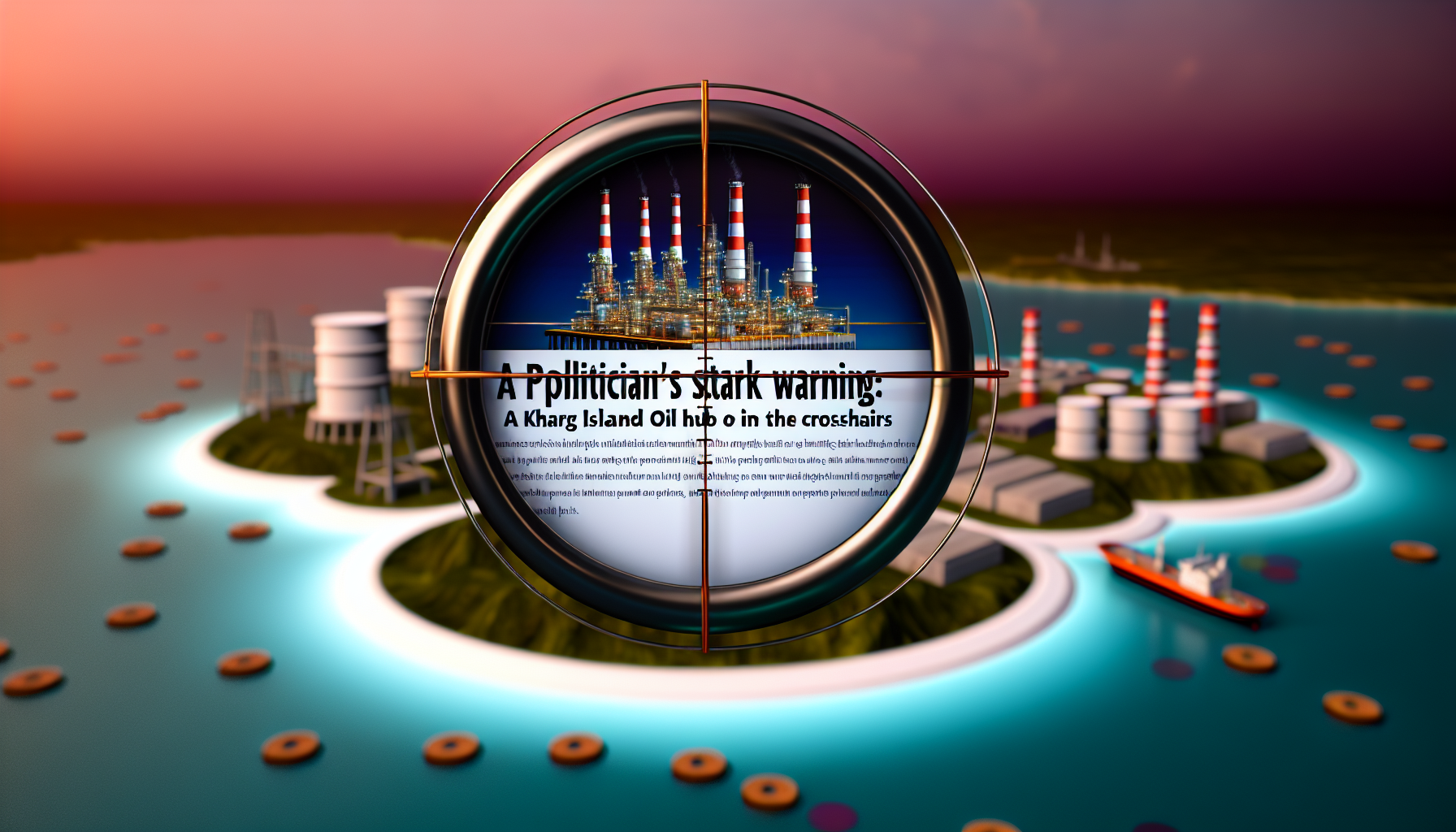
In a dramatic escalation of rhetoric, U.S. President Donald Trump issued a stark warning on Monday, threatening to destroy Iran’s Kharg Island, a critical hub for crude oil exports, if Tehran does not agree to a diplomatic resolution concerning the ongoing U.S.-Israeli conflict. The announcement, shared on Trump’s Truth Social platform, has sent ripples through financial and energy markets, raising alarms in neighboring Gulf states.
Context of the Threat
Trump’s statement comes amid a month-long conflict that has strained relations between the U.S., Israel, and Iran. The Kharg Island facility is pivotal for Iran’s oil exports, handling approximately 90% of the country’s crude oil shipments. Given its significance, the threat of destruction from the U.S. president signals a potential shift in U.S. foreign policy towards a more aggressive stance against Iran.
Implications for Energy Markets
The mere suggestion of military action against such a vital oil infrastructure has triggered significant reactions in the global financial and energy markets. Experts warn that any military engagement could lead to a steep rise in oil prices, given that Iran is already under stringent sanctions that limit its oil export capabilities.
- Volatility in Oil Prices: Analysts predict that any disruption to oil supply could lead to immediate spikes in crude oil prices, affecting global markets.
- Increased Tensions: Neighboring Gulf countries are on high alert, fearing that military action could spill over into their territories, further destabilizing the region.
- Possible Economic Repercussions: A military conflict could have far-reaching economic consequences, not just for Iran but for nations reliant on its oil exports.
Trump’s Diplomatic Dilemma
In his statement, Trump expressed a desire for talks with a ‘more reasonable regime’ in Iran. This indicates a potential openness to negotiations, despite the harsh threats made. The juxtaposition of diplomacy and military threats highlights a complex approach to international relations that has characterized Trump’s presidency.
However, the question remains whether such threats will compel Iran to engage in negotiations or lead to further entrenchment. Iran has historically responded defiantly to external pressures, and Trump’s aggressive posture could reinforce hardline elements within the Iranian government.
Regional Reactions
The announcement has not only alarmed global markets but has also elicited varied reactions from regional players. Many Gulf nations are concerned about the implications of U.S. military action in their backyard.
- Saudi Arabia: As a major U.S. ally, the Kingdom is wary of further instability and has called for diplomatic solutions.
- UAE: The United Arab Emirates has expressed concerns over the potential for conflict escalating in the Persian Gulf.
- Israel: While Israel may support U.S. actions against Iran, it also fears that escalation could lead to retaliatory strikes on its own territory.
The Risk of Ground Operations
One of the most alarming aspects of Trump’s threat is the suggestion of a potential U.S. ground operation to seize Kharg Island. Such an operation would not only require extensive military resources but also risks significant casualties and a protracted conflict.
Military analysts suggest that a ground operation would necessitate careful planning and coordination with allied forces in the region. The logistics of launching such an operation against a fortified oil hub could prove daunting and would likely face fierce resistance from Iranian forces.
International Law Considerations
Attacking an oil hub raises serious questions regarding international law and the legality of such actions. The United Nations Charter prohibits the use of force against the territorial integrity of a state unless justified by self-defense or with explicit authorization from the UN Security Council.
The implications of disregarding international law could lead to broader condemnation of U.S. actions and further isolate the country on the world stage.
Conclusion
Trump’s fiery threat against Kharg Island epitomizes the tensions that define U.S.-Iran relations. While the president’s call for negotiations suggests a willingness to find a peaceful resolution, the underlying threats of military action complicate an already fraught situation.
As the world watches, the outcome of this standoff could reshape not only the geopolitical landscape of the Middle East but also have profound implications for global energy markets and international relations. The coming weeks will be crucial in determining whether diplomacy can prevail over aggression, or if the situation will escalate into open conflict.


