

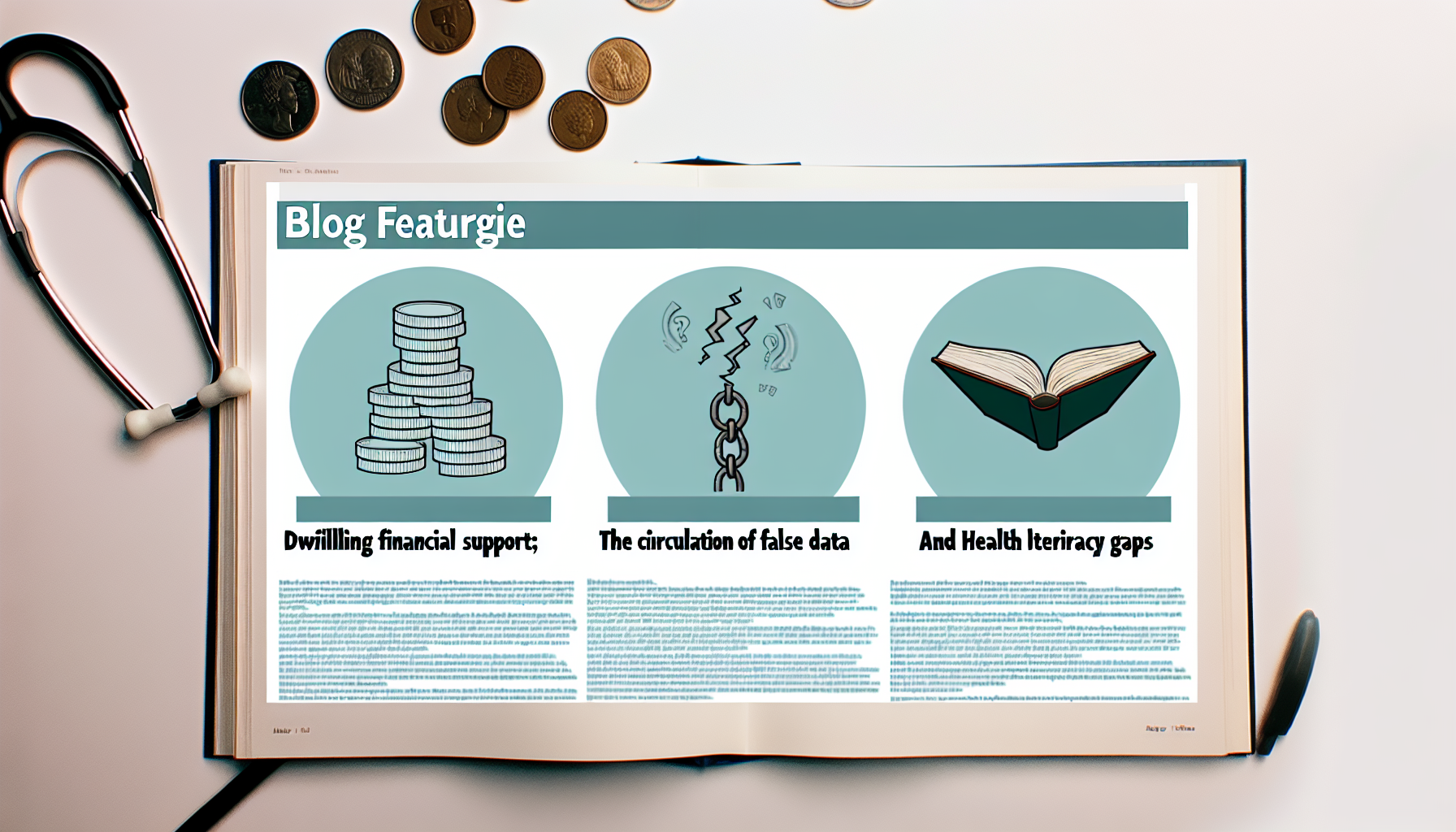
The landscape of cancer research is increasingly fraught with obstacles that threaten progress in treatment and care. A recent editorial published in JAMA Oncology highlights a “trifecta” of challenges that could significantly hinder advancements in cancer care. These challenges include proposed federal budget cuts, the pervasive spread of medical misinformation, and alarming gaps in public health literacy.
Proposed Cuts to Funding: A Dire Concern
At the forefront of the issues facing cancer research is a proposed reduction of $2.7 billion in the federal budget for the National Cancer Institute (NCI) for the year 2026. This cut, if enacted, poses a serious threat to the future of life-saving cancer research. Connie M. Ulrich, a leading voice in the editorial and a professor at Penn Nursing, emphasizes that such a significant reduction in funding could cripple efforts to discover new therapies and improve patient outcomes.
The NCI is a crucial player in the national fight against cancer, funding a wide range of research initiatives aimed at understanding the disease, developing new treatments, and ultimately finding a cure. The proposed budget cuts come at a time when the need for robust cancer research is more pressing than ever, particularly as the World Health Organization (WHO) projects that cancer cases will increase significantly in the coming years.
Misinformation: A Growing Threat
In addition to funding challenges, medical misinformation is becoming a significant obstacle for cancer patients and their families. The editorial points out that approximately one-third of social media content related to cancer contains false information. This misinformation not only misleads patients but can also lead to dangerous health decisions.
With the rise of social media and online health forums, patients are often inundated with conflicting information. A study cited in the editorial reveals that up to 86% of cancer patients report difficulties in understanding health-related information. This lack of comprehension can lead to poor health decisions, complicating treatment pathways and outcomes.
Why Misinformation Matters
- Misleading Treatment Options: Patients may be swayed by unverified claims about alternative treatments that could delay effective medical interventions.
- Impact on Mental Health: Encountering false information can exacerbate anxiety and stress among patients already facing a cancer diagnosis.
- Community Mistrust: Misinformation can foster distrust in medical professionals and the healthcare system, leading to patients seeking advice from unreliable sources.
Addressing Public Health Literacy
The third challenge identified by Ulrich and her co-authors is the gap in public health literacy. The ability to understand and process health information is crucial for making informed medical decisions. The editorial underscores the urgent need for initiatives aimed at improving health literacy among the general public.
According to the authors, a well-informed public is better equipped to engage with healthcare providers, ask pertinent questions, and advocate for their own health needs. However, without adequate health literacy, patients may struggle to navigate the complexities of cancer care.
Strategies for Improvement
- Educational Campaigns: Launching community-based programs to educate the public about cancer, treatment options, and the importance of evidence-based information.
- Collaboration with Media: Partnering with social media platforms to promote accurate information and counteract misinformation.
- Healthcare Provider Engagement: Encouraging healthcare professionals to take an active role in patient education and to simplify complex medical jargon.
Call to Action
In light of these challenges, the editorial calls for researchers and clinicians to engage proactively with the public. This includes correcting misinformation and ensuring that evidence-based information is accessible to everyone, particularly those battling cancer. The fight against cancer cannot be won in isolation; it requires a concerted effort from all stakeholders involved.
As funding cuts loom, combating misinformation, and improving health literacy appear more critical than ever. The editorial in JAMA Oncology serves as a wake-up call, urging the medical community, policymakers, and the public to collaborate in safeguarding the future of cancer research and care.
Ultimately, addressing these intertwined challenges is not just a matter of scientific progress but a moral imperative to protect the health and well-being of millions of individuals affected by cancer.


