

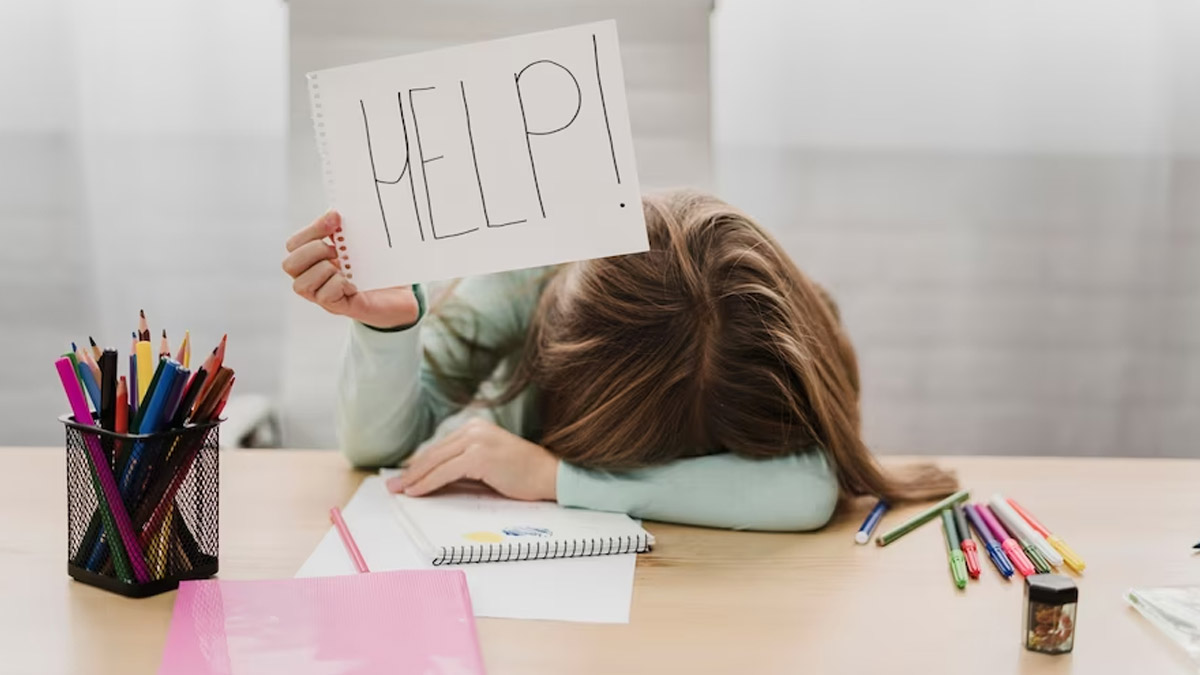
Recognizing stress in children is crucial for parents, caregivers, and educators to provide timely support and intervention. While children may not always verbalize their feelings of stress, there are several hallmarks that can indicate a child is experiencing significant stress:
- Changes in behavior: A typically outgoing child becoming withdrawn, or a calm child suddenly acting out aggressively.
- Sleep disturbances: Difficulty falling asleep, nightmares, or changes in sleep patterns.
- Physical complaints: Frequent headaches, stomachaches, or other physical symptoms without apparent medical cause.
- Changes in eating habits: Loss of appetite or overeating.
- Regression in behavior: Return to behaviors they had outgrown, such as bedwetting or thumb-sucking.
- Increased clinginess: Excessive attachment to parents or caregivers, separation anxiety.
- Academic changes: Sudden drop in grades, loss of interest in school activities.
- Emotional volatility: Frequent mood swings, irritability, or emotional outbursts.
- Difficulty concentrating: Inability to focus on tasks or easily distracted.
- Physical signs: Nail-biting, hair-twirling, or other nervous habits.
- Social withdrawal: Avoiding friends or activities they previously enjoyed.
- Expressed worries: Verbalizing fears about the future, safety, or other concerns.
- Changes in play: Play that repeatedly enacts stressful scenarios.
It’s important to note that these signs can vary depending on the child’s age, personality, and the nature of the stressor. Younger children might show more physical symptoms, while older children and teenagers might exhibit more emotional or behavioral changes.
Stress in children can stem from various sources, including:
- Family issues (divorce, new sibling, moving)
- Academic pressures
- Social challenges or bullying
- Overscheduling of activities
- Major life changes or transitions
- Exposure to distressing news or events
- Health issues (personal or family member)
When these hallmarks are observed, it’s crucial for adults to approach the child with empathy and open communication. Creating a safe space for the child to express their feelings is essential. Sometimes, simply acknowledging their stress and offering support can make a significant difference.
Strategies to help stressed children include:
- Maintaining routines to provide a sense of stability
- Encouraging physical activity and outdoor play
- Teaching and practicing relaxation techniques
- Ensuring adequate sleep and nutrition
- Limiting exposure to stressful stimuli, including news media
- Spending quality time together in low-pressure activities
- Helping them identify and express their emotions
In some cases, particularly if stress is severe or prolonged, professional help from a child psychologist or counselor may be beneficial.
By recognizing these hallmarks early and responding appropriately, adults can help children develop resilience and healthy coping mechanisms, equipping them to better handle stress throughout their lives.


