

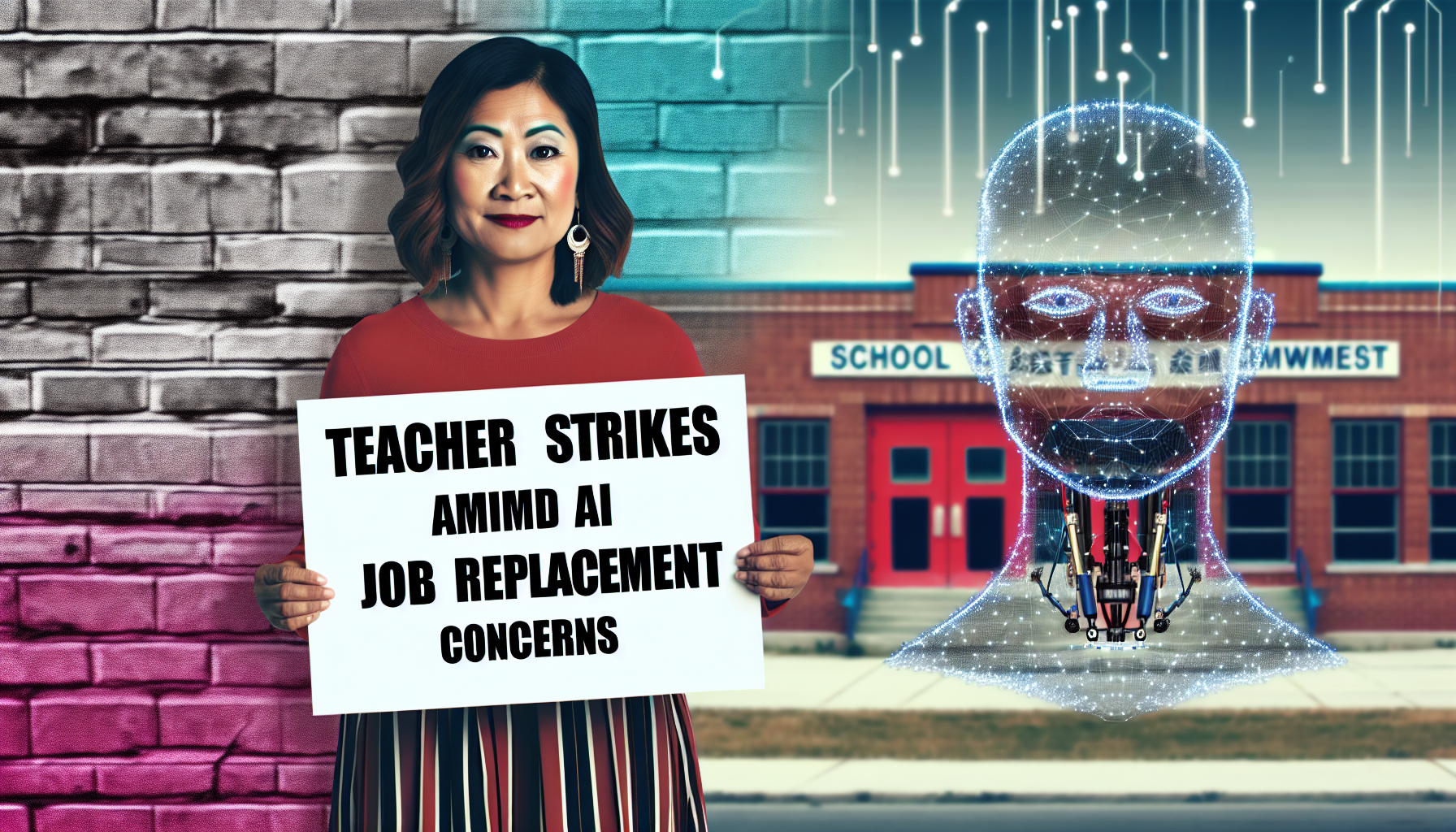
Over 50,000 teachers in Illinois, Michigan, and Ohio staged coordinated strikes today, expressing their concerns over the rapid integration of artificial intelligence (AI) tools in education. The protests highlight fears that AI-driven grading and lesson-planning systems threaten job security and the quality of education.
The Impact of AI on Education
As schools increasingly adopt AI technologies, the ramifications have begun to stir significant unrest among educators. According to the latest statistics from the Department of Education, approximately 30% of grading tasks are now automated, leading to a staggering 12% reduction in teaching staff over the past year. Teachers argue that such automation not only undermines their roles but also jeopardizes the educational experience for students.
Union Leadership Takes a Stand
Union leaders, including American Federation of Teachers (AFT) President Randi Weingarten, have been vocal in their opposition to unchecked AI adoption in schools. Weingarten stated, “We cannot allow technology to dictate the future of our classrooms without proper safeguards in place. Our teachers are more than just data points; they are mentors and guides for our students.” The AFT, alongside local unions, is calling for a moratorium on AI implementations until clear job protections are established.
Financial Arguments and Counterarguments
School districts argue that the integration of AI technologies could lead to significant cost savings, claiming a potential annual reduction of $2 billion in operational expenses. Proponents of AI argue that these savings could be reinvested into educational resources, infrastructure, and teacher salaries. However, many educators believe that the promise of financial efficiency cannot come at the expense of human oversight and educational quality.
- Cost Savings: School districts claim AI can save around $2 billion annually.
- Staff Reductions: 12% of teaching staff have been cut in the last year due to automation.
- Task Automation: 30% of grading tasks are now automated, raising concerns over the future of teaching jobs.
Striking Teachers and Their Demands
The strikes, which have seen teachers walking off the job in droves, are not just about job security; they also reflect broader concerns about the future of education. Teachers are demanding:
- A moratorium on the adoption of AI technologies in classrooms until proper regulations are established.
- Job security measures to protect educators from further layoffs.
- Transparency in how AI tools are used and how they impact student learning.
As negotiations have stalled between unions and school districts, the mood among striking educators has remained resolute. Many teachers have taken to social media platforms to share their experiences and rally support. The hashtag #ProtectOurTeachers has gained traction, drawing attention to the cause and uniting educators across different states.
Federal Guidelines Needed
Union leaders have called for federal guidelines to be established to ensure that the implementation of AI in education does not compromise teacher jobs or student learning. “We need a framework that protects our educators and provides clear standards for the use of AI in classrooms,” said Weingarten. “Without these guidelines, we risk creating a system that values efficiency over education.”
The Broader Context of Teacher Strikes
The current wave of strikes is part of a larger trend of teacher activism that has been gaining momentum in recent years. Educators across the country have protested for better pay, improved working conditions, and more resources for students. The intersection of AI technology and teaching practices has added a new dimension to these protests, as teachers grapple with the implications of technological advancements in their profession.
Looking Ahead
As the situation unfolds, the question remains: how will school districts respond to the demands of teachers? The striking educators have made it clear that they will not back down until their voices are heard, and their concerns addressed. As negotiations continue, the spotlight is on both unions and school officials to find a path forward that balances innovation with the essential human element of teaching.
In the end, the outcome of these strikes could set a precedent for how AI is integrated into the education system moving forward. The stakes are high, not just for educators but for students who depend on their teachers for guidance and support. The educational landscape is at a crossroads, and the decisions made in the coming weeks will shape the future of teaching for years to come.


