

Science fairs offer students an excellent opportunity to explore scientific concepts hands-on and develop critical thinking skills. Here are some engaging ideas for students across various scientific disciplines:
- Environmental Science:
- Investigate the effects of different types of pollution on plant growth
- Compare the efficiency of various natural water filtration methods
- Study the impact of different light colors on plant photosynthesis
- Physics:
- Explore the factors affecting the flight distance of paper airplanes
- Investigate the relationship between a pendulum’s length and its period
- Demonstrate the principles of magnetic levitation
- Chemistry:
- Compare the effectiveness of different natural indicators for acid-base reactions
- Investigate the factors affecting the rate of crystal growth
- Study the impact of temperature on chemical reaction rates
- Biology:
- Examine the effects of music on plant growth
- Investigate the impact of different diets on mealworm growth
- Study the effectiveness of natural vs. chemical pesticides on aphids
- Earth Science:
- Create a model to demonstrate plate tectonics and earthquake formation
- Investigate the factors affecting soil erosion
- Study the impact of different roofing materials on heat absorption
- Technology:
- Design and build a simple robot to perform a specific task
- Create a basic app to solve a real-world problem
- Investigate the effectiveness of different materials for soundproofing
- Mathematics:
- Explore the golden ratio in nature and art
- Investigate the mathematics behind creating secure passwords
- Study the probability of winning various carnival games
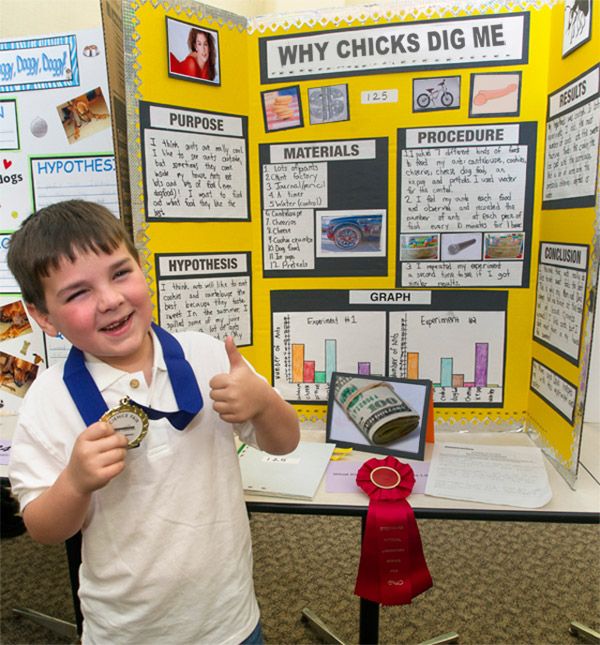
When choosing a science fair project, students should consider their interests, available resources, and the complexity level appropriate for their grade. It’s crucial to follow the scientific method, including forming a hypothesis, conducting experiments, collecting data, and drawing conclusions. Presentation skills are also important, so students should focus on creating clear, visually appealing displays of their findings.


