

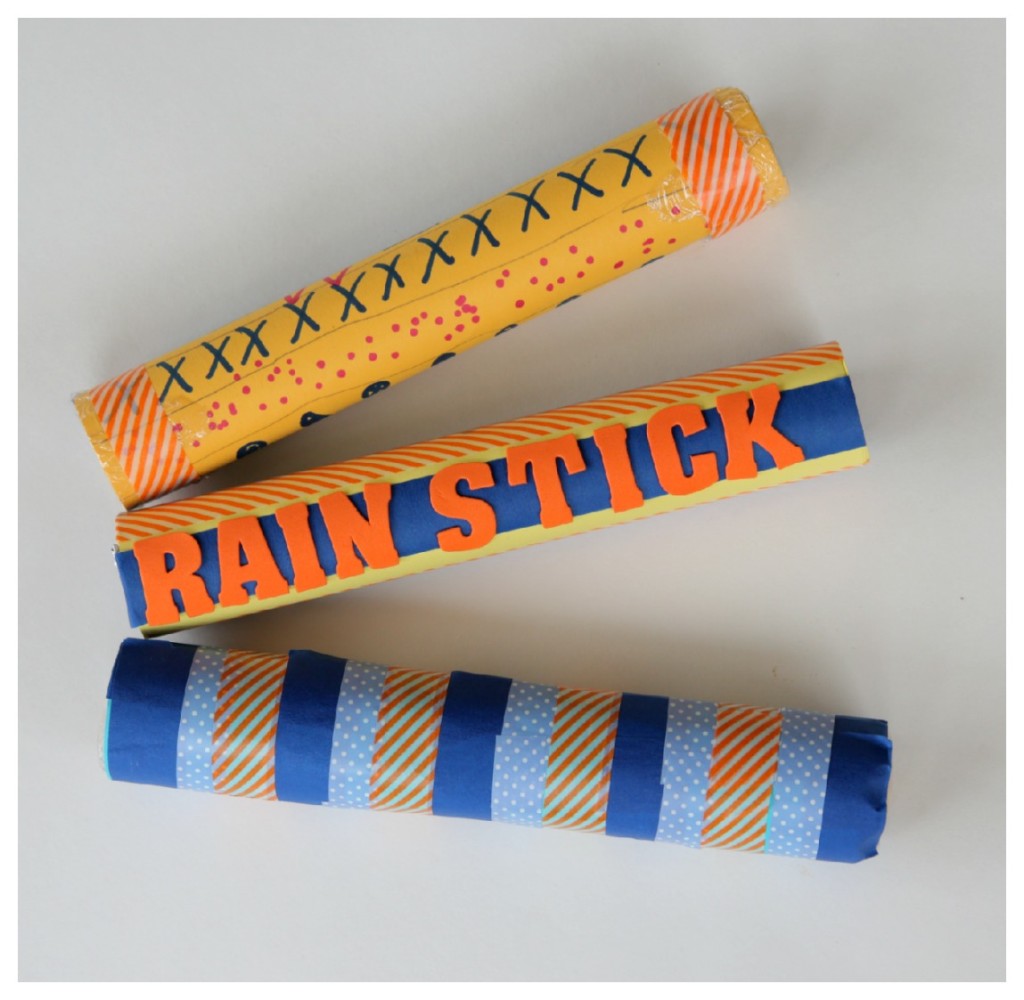
Creating rainsticks from recyclables is an engaging and eco-friendly craft project that combines creativity, sensory exploration, and environmental awareness. This activity is perfect for children and adults alike, offering a fun way to repurpose everyday materials while learning about different cultures and natural sounds.
Rainsticks, traditionally used by indigenous peoples in Chile and other parts of South America, are musical instruments that mimic the sound of falling rain. By creating these instruments from recyclable materials, we not only reduce waste but also introduce children to the concept of upcycling.
To make a rainstick, you’ll need the following materials:
- A cardboard tube (from paper towels or wrapping paper)
- Small nails or toothpicks
- Rice, dried beans, or small beads
- Decorative paper or paint
- Scissors and glue
- Optional: markers, stickers, or other decorative items
The process involves carefully pushing nails or toothpicks through the sides of the cardboard tube in a spiral pattern. This creates obstacles for the filling (rice, beans, or beads) to cascade through, producing the rain-like sound. Seal both ends of the tube, decorate the exterior, and your homemade rainstick is ready to use!
This project offers numerous benefits:
- Environmental awareness: It teaches the importance of recycling and creative reuse.
- Cultural education: Introduces children to instruments from different cultures.
- Sensory development: The sound and movement of the rainstick stimulate auditory and visual senses.
- Fine motor skills: Decorating and assembling the rainstick enhances dexterity.
- Creativity: Encourages personal expression through decoration and sound exploration.
Rainsticks from recyclables can be incorporated into various learning activities, such as studying weather patterns, exploring world music, or discussing environmental conservation. This simple yet effective project demonstrates how everyday items can be transformed into something both beautiful and functional, fostering a sense of accomplishment and environmental responsibility in crafters of all ages.


