

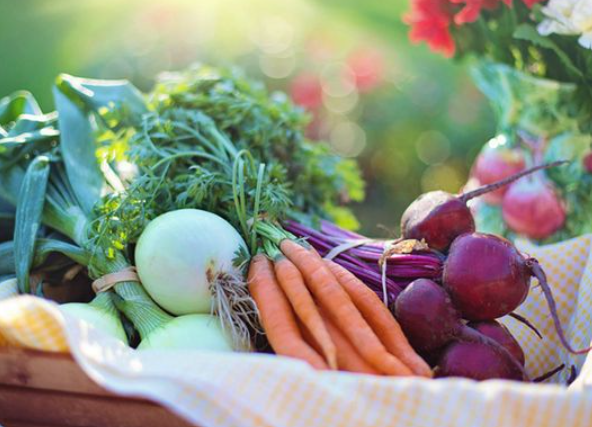
Winter may seem like a barren time for fresh produce, but there are actually many delicious and nutritious fruits and vegetables that thrive in the colder months. Creating a seasonal shopping list can help you make the most of winter’s bounty while supporting local agriculture and enjoying peak flavors.
When designing your winter produce shopping list, consider including these seasonal stars:
- Root Vegetables:
- Carrots
- Parsnips
- Turnips
- Beets
- Sweet Potatoes
- Cruciferous Vegetables:
- Brussels Sprouts
- Cabbage
- Cauliflower
- Broccoli
- Leafy Greens:
- Kale
- Collard Greens
- Swiss Chard
- Citrus Fruits:
- Oranges
- Grapefruits
- Lemons
- Clementines
- Other Winter Fruits:
- Pomegranates
- Pears
- Persimmons
- Squash Varieties:
- Butternut Squash
- Acorn Squash
- Pumpkin
- Alliums:
- Onions
- Garlic
- Leeks
- Herbs:
- Rosemary
- Thyme
- Sage
Remember to check your local farmer’s market or grocery store for region-specific winter produce. Some areas may have unique seasonal offerings.
When using this list, consider meal planning around these ingredients to make the most of their flavors and nutritional benefits. Winter produce is often perfect for hearty soups, stews, and roasted vegetable dishes that warm you up on cold days.
By focusing on seasonal produce, you’re not only getting the best flavors but also supporting sustainable eating habits. Seasonal produce often requires less transportation and storage, reducing its environmental impact.
Print this list and keep it handy for your winter grocery shopping trips. It will serve as a helpful guide to navigating the produce section and ensuring you’re making the most of what the season has to offer.


