

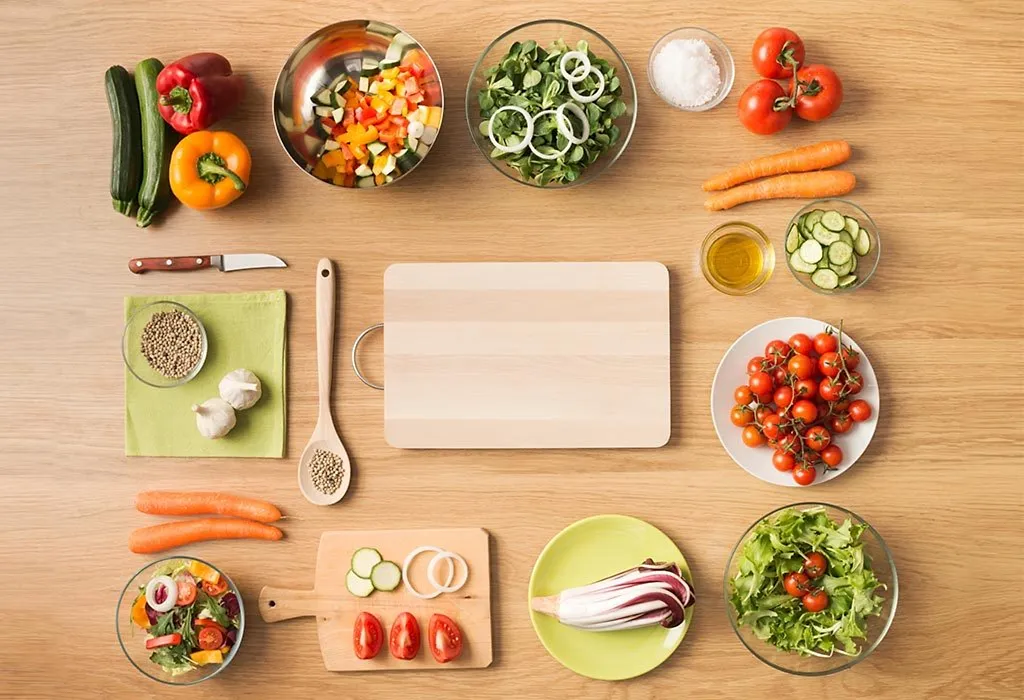
Maintaining a vegetarian diet during pregnancy is not only possible but can be highly beneficial when well-planned. A balanced vegetarian diet can provide all the necessary nutrients for both the mother and the developing fetus. However, it requires careful consideration to ensure adequate intake of certain key nutrients.
Protein is crucial during pregnancy, and vegetarian sources include legumes, nuts, seeds, and soy products. Whole grains, fruits, and vegetables provide essential carbohydrates, fiber, and various vitamins and minerals. Leafy greens, fortified plant milks, and certain seeds are excellent sources of calcium, vital for fetal bone development.
Iron is particularly important during pregnancy, and vegetarian sources include lentils, spinach, and fortified cereals. Combining these with vitamin C-rich foods enhances iron absorption. Vitamin B12, primarily found in animal products, can be obtained through fortified foods or supplements, which is crucial for vegetarians and especially vegans.
Omega-3 fatty acids, essential for fetal brain and eye development, can be sourced from flaxseeds, chia seeds, and walnuts. However, the conversion of plant-based omega-3s to DHA is limited, so a DHA supplement derived from algae might be recommended.
Zinc, found in whole grains, legumes, and nuts, is important for cell growth and division. Iodine, crucial for thyroid function and fetal brain development, can be obtained from iodized salt or seaweed.
Vitamin D, essential for calcium absorption and bone health, can be synthesized through sun exposure or obtained from fortified foods. However, supplementation is often recommended, especially in regions with limited sunlight.
It’s important for pregnant vegetarians to work closely with their healthcare provider or a registered dietitian to ensure their diet meets all nutritional requirements. They may recommend blood tests to check for any deficiencies and suggest appropriate supplements.
Meal planning is key. A typical day might include:
- Breakfast: Oatmeal with fortified plant milk, topped with nuts and berries
- Lunch: Lentil soup with whole grain bread and a side salad
- Snack: Hummus with vegetable sticks and a handful of almonds
- Dinner: Stir-fried tofu with mixed vegetables over brown rice
While a vegetarian diet can be healthy during pregnancy, it’s crucial to avoid certain foods. Unpasteurized dairy products, if consumed, should be avoided due to the risk of listeria. Raw sprouts and unwashed produce can also pose risks and should be thoroughly cleaned or cooked.
In conclusion, with proper planning and attention to key nutrients, a vegetarian diet can fully support a healthy pregnancy. It offers numerous benefits, including high fiber intake and a variety of vitamins and minerals. However, it requires diligence and possibly supplementation to ensure all nutritional needs are met for both mother and baby.


