

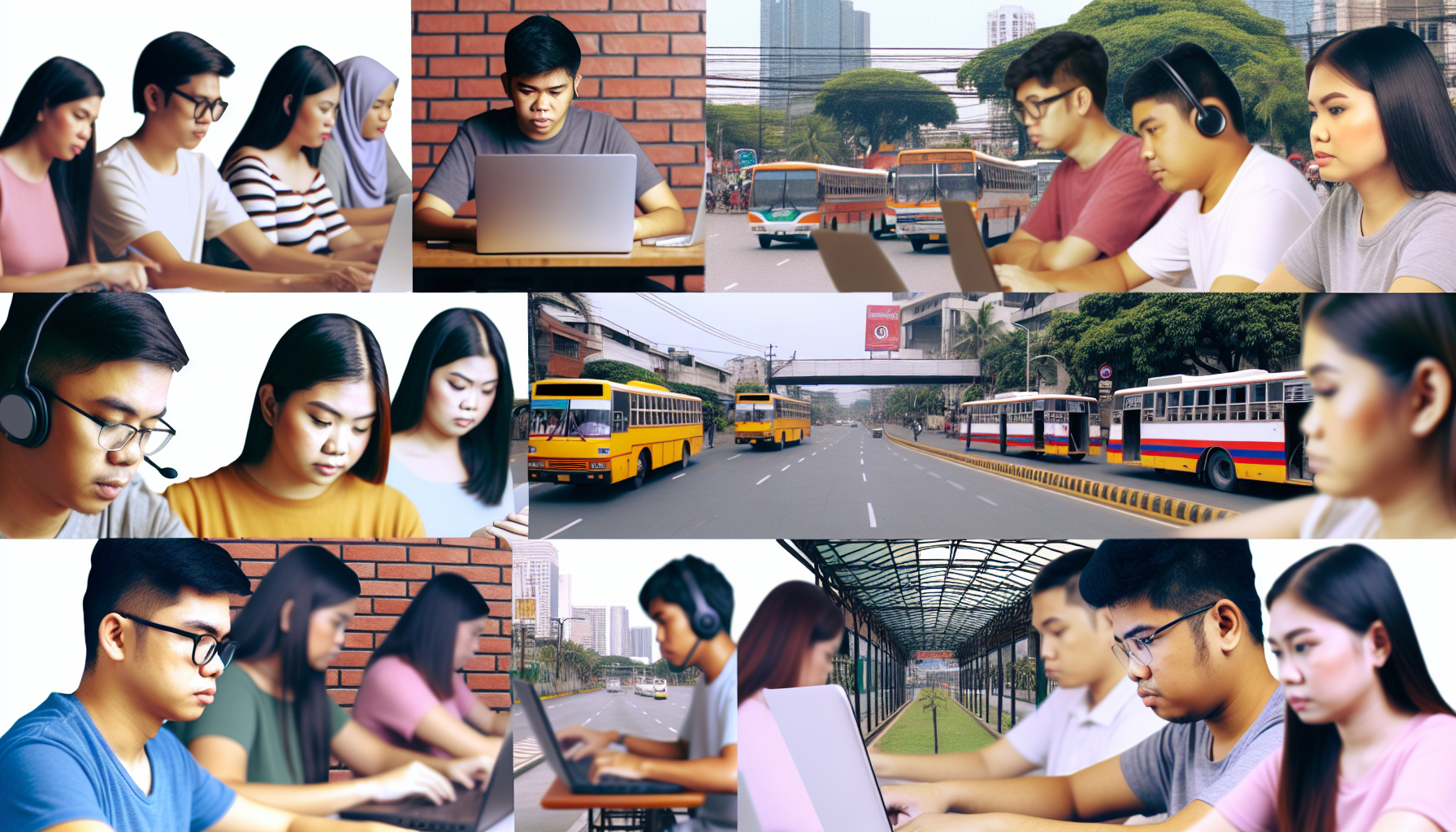
On March 19, 2026, several prominent educational institutions in the Philippines, including Adamson University, Ateneo de Manila University, De La Salle University, and University of Sto. Tomas, made the significant decision to transition to online classes. This shift was prompted by a nationwide transport strike resulting from a substantial oil price hike linked to ongoing conflicts in the Middle East.
Background on the Transport Strike
The transport strike, which garnered widespread attention, was initiated as a direct response to an alarming surge in oil prices. The situation has been exacerbated by geopolitical tensions in the Middle East, which have caused ripple effects in global oil markets. This price increase has severely impacted daily commuters, making it challenging for students and faculty to travel to their respective campuses.
Impact on Education
The transition to online classes represents a proactive approach by these educational institutions to ensure that students’ learning experiences remain uninterrupted despite the logistical challenges posed by the strike. The decision highlights the increasing reliance on digital platforms for education, particularly in times of crisis.
Universities Making the Switch
- Adamson University: Known for its commitment to providing quality education, Adamson quickly adapted its systems to facilitate online learning.
- Ateneo de Manila University: A leader in the educational sector, Ateneo implemented remote learning to maintain academic continuity.
- De La Salle University: La Salle’s administration emphasized the importance of student safety and learning, opting for virtual classes.
- University of Sto. Tomas: UST’s swift transition to online platforms demonstrates its dedication to student welfare and academic excellence.
Broader Implications for Students
The shift to online education is not merely a logistical adjustment; it also affects the overall academic experience of students. Many students rely on face-to-face interactions for effective learning and collaboration. However, the adaptation to online platforms has its own set of challenges and benefits:
- Flexibility: Online classes provide students with the flexibility to attend lectures from the comfort of their homes.
- Access to Resources: Digital platforms often come with a plethora of online resources that can enhance the learning experience.
- Isolation: Conversely, the lack of physical interaction may lead to feelings of isolation among students, impacting their mental health.
- Technical Challenges: Not all students have equal access to reliable internet connections or technology, which can hinder their participation.
Institutional Responses
As the situation evolves, universities are continuously providing updates regarding their online education policies. Administrators and faculty are working diligently to ensure that students receive the support they need during this challenging time. Many institutions have set up dedicated hotlines and online forums to address student concerns and provide assistance with technology-related issues.
Student Support Services
To facilitate a smoother transition to online learning, universities are enhancing their student support services:
- Virtual Counseling: Mental health support through online counseling services has become increasingly available to help students cope with stress and anxiety.
- Academic Advising: Advisors are offering virtual consultations to assist students with their academic plans and course selections.
- Technical Assistance: IT departments are providing resources and assistance to troubleshoot technical difficulties faced by students.
Looking Ahead
The ongoing transport strike and the subsequent shift to online education may serve as a pivotal moment for the Philippine education system. As institutions adapt to digital learning environments, it raises questions about the future of education in the country. Will online classes become a standard practice beyond emergencies? How will institutions balance technology and personal interaction in the long run?
As the situation develops, the educational community remains hopeful that a resolution to the transport strike will be reached, allowing for a return to normalcy. In the meantime, the commitment of universities to prioritize student learning and well-being during these turbulent times is commendable and reflects the resilience of the academic community.
In summary, the transition to online classes on March 19, 2026, highlights the adaptability of Philippine educational institutions in response to external challenges. As students and faculty navigate this new landscape, the focus remains on maintaining educational standards while ensuring the safety and well-being of all involved.


