

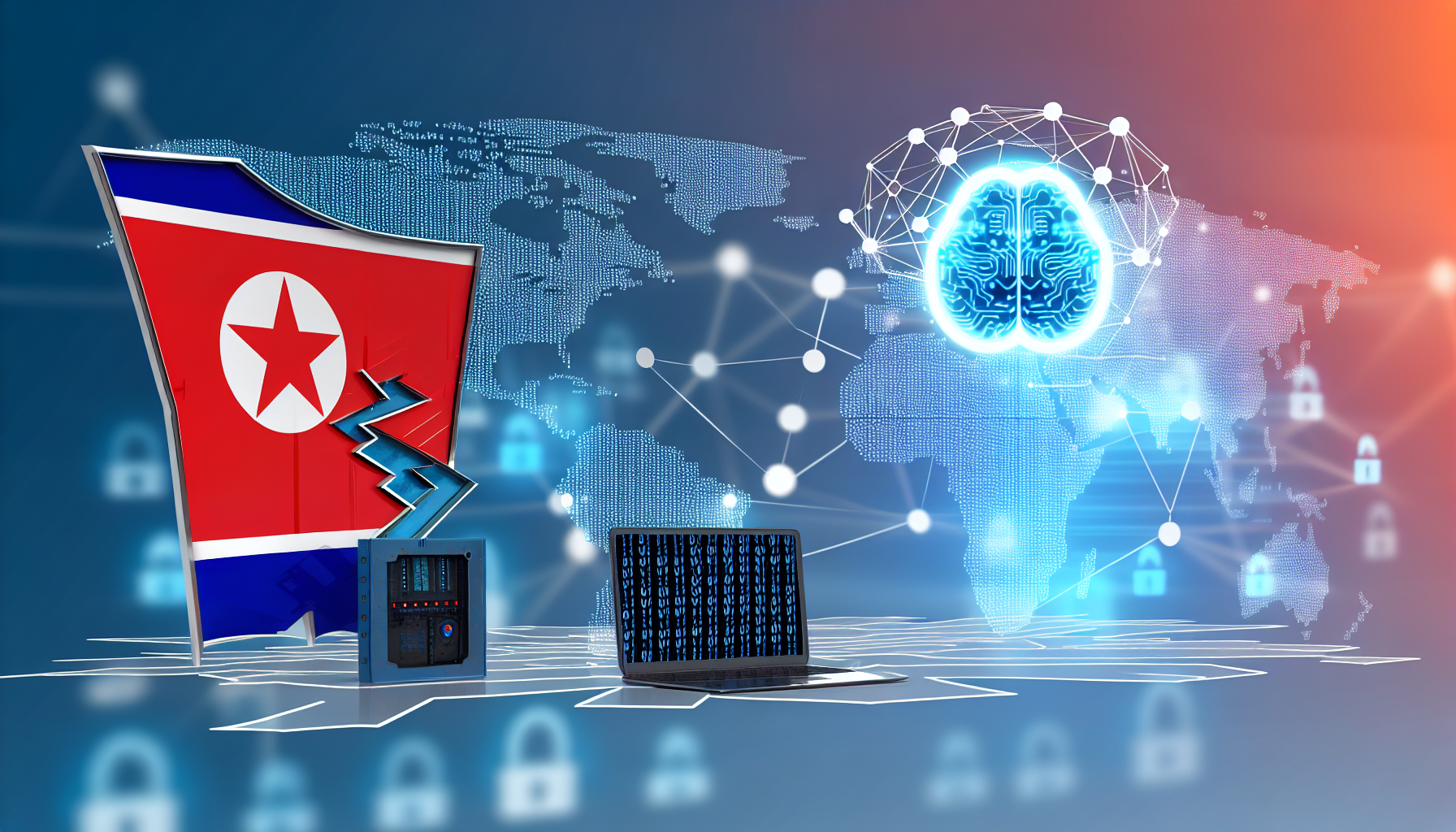
In a rapidly evolving landscape of cybersecurity threats, North Korean threat actors are increasingly leveraging artificial intelligence (AI) to enhance their cyber operations. A recent report from Microsoft Threat Intelligence, published on March 6, 2026, titled AI as Tradecraft: How Threat Actors Operationalize AI, sheds light on these advanced tactics. The report underscores the growing sophistication of cyber espionage and financial schemes targeting remote technical employees, revealing alarming trends in state-sponsored cyber activities.
Understanding the Threat Landscape
North Korea has long been a known player in the realm of cybercrime, utilizing a variety of tactics to achieve its objectives. The latest report from Microsoft highlights a significant shift in the methodologies employed by these threat groups, particularly in the wake of the COVID-19 pandemic, which has seen a substantial increase in remote workforces worldwide. This shift has presented new opportunities for cyber adversaries, making remote employees prime targets for infiltration.
The Role of AI in Cyber Operations
AI technology is revolutionizing the way cybercriminals conduct their operations. According to the Microsoft report, North Korean hackers are employing AI to enhance their capabilities in several ways:
- Automating Attacks: AI algorithms can automate various stages of cyberattacks, from reconnaissance to execution, allowing for faster and more efficient operations.
- Phishing Campaigns: AI can be used to generate highly personalized phishing emails, making it more likely for victims to fall for the deception.
- Data Analysis: By utilizing machine learning techniques, cyber actors can analyze vast amounts of data to identify vulnerabilities and targets.
This operational use of AI not only enhances the sophistication of attacks but also allows these threat actors to scale their efforts significantly. As a result, organizations must remain vigilant and adapt their cybersecurity measures accordingly.
Targeting Remote Technical Employees
The focus on remote technical employees is particularly concerning. As companies have shifted to remote work, their cybersecurity defenses may not be as robust as in a traditional office setting. This vulnerability has made technical employees—who often possess sensitive information and access to critical systems—especially attractive targets for North Korean cyber operatives. See also AI-driven phishing insights.
Techniques Employed by North Korean Threat Actors
The report outlines several techniques utilized by North Korean threat actors in their schemes:
- Impersonation: Cybercriminals may impersonate legitimate companies to create fake job postings. This tactic aims to lure remote workers into providing sensitive information or downloading malicious software.
- Social Engineering: By leveraging AI, attackers can craft convincing narratives and scenarios that manipulate potential victims into complying with their demands.
- Exploitation of Weaknesses: The report highlights that these threat actors often exploit common weaknesses associated with remote work setups, such as unsecured home networks and the use of personal devices for work purposes.
These tactics not only illustrate the lengths to which cybercriminals will go to achieve their goals but also highlight the need for organizations to enhance their security protocols.
Implications for Organizations
The increasing sophistication of cyber threats, particularly those utilizing AI, poses significant implications for organizations worldwide. As businesses navigate the complexities of a hybrid work environment, they must prioritize cybersecurity measures to safeguard their assets. The following strategies can help mitigate the risks associated with remote work: There’s a fuller look at Rogue AI's impact on security.
- Comprehensive Training: Organizations should provide ongoing training for employees about the latest phishing techniques and social engineering tactics.
- Robust Security Policies: Implementing strong security policies that include multifactor authentication and regular software updates is crucial.
- Incident Response Plans: Developing and regularly updating incident response plans can help organizations respond effectively to cybersecurity breaches.
Furthermore, fostering a culture of cybersecurity awareness among employees can contribute significantly to reducing vulnerabilities.
The Evolving Nature of Cyber Threats
As North Korean threat groups continue to operationalize AI in their cyber espionage and financial schemes, the global cybersecurity landscape is becoming increasingly complex. The sophistication of these attacks indicates a worrying trend that demands attention from governments, organizations, and individuals alike.
Conclusion
The Microsoft Threat Intelligence report serves as a critical reminder of the evolving tactics employed by cyber adversaries, particularly state-sponsored groups like those from North Korea. As AI continues to shape the future of cyber warfare, organizations must remain proactive in their cybersecurity efforts, ensuring they are equipped to counteract these sophisticated threats. The stakes are high, and the time to act is now.


