

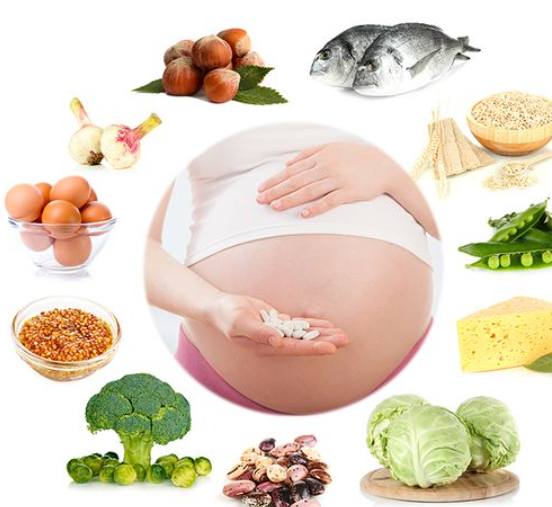
Recent scientific research has shed light on the profound impact a mother’s diet before conception can have on her baby’s genetic makeup. This groundbreaking discovery underscores the importance of nutrition not just during pregnancy, but in the months leading up to it.
Epigenetic changes, which affect how genes are expressed without altering the DNA sequence itself, can be influenced by various environmental factors, including diet. Studies have shown that a mother’s nutritional status before and during early pregnancy can lead to epigenetic modifications in the developing fetus.
Key findings include:
- Folate intake: Adequate folate levels before conception have been linked to proper DNA methylation, a crucial epigenetic process.
- Omega-3 fatty acids: A diet rich in omega-3s may positively influence genes related to brain development and immune function.
- Vitamin D: Proper vitamin D levels can affect genes involved in placental development and fetal growth.
- Protein balance: Both excessive and insufficient protein intake can lead to epigenetic changes that may impact the baby’s metabolism later in life.
- Antioxidants: A diet high in antioxidants may protect against oxidative stress-induced epigenetic changes.
These findings emphasize the need for women planning to conceive to focus on a balanced, nutrient-rich diet well before pregnancy. Healthcare providers are increasingly recommending preconception counseling to educate women about the importance of nutrition in preparing for a healthy pregnancy and baby.
While genetics play a significant role in a child’s development, this research highlights the power of maternal diet in shaping the expression of those genes, potentially influencing the child’s health for years to come.


