

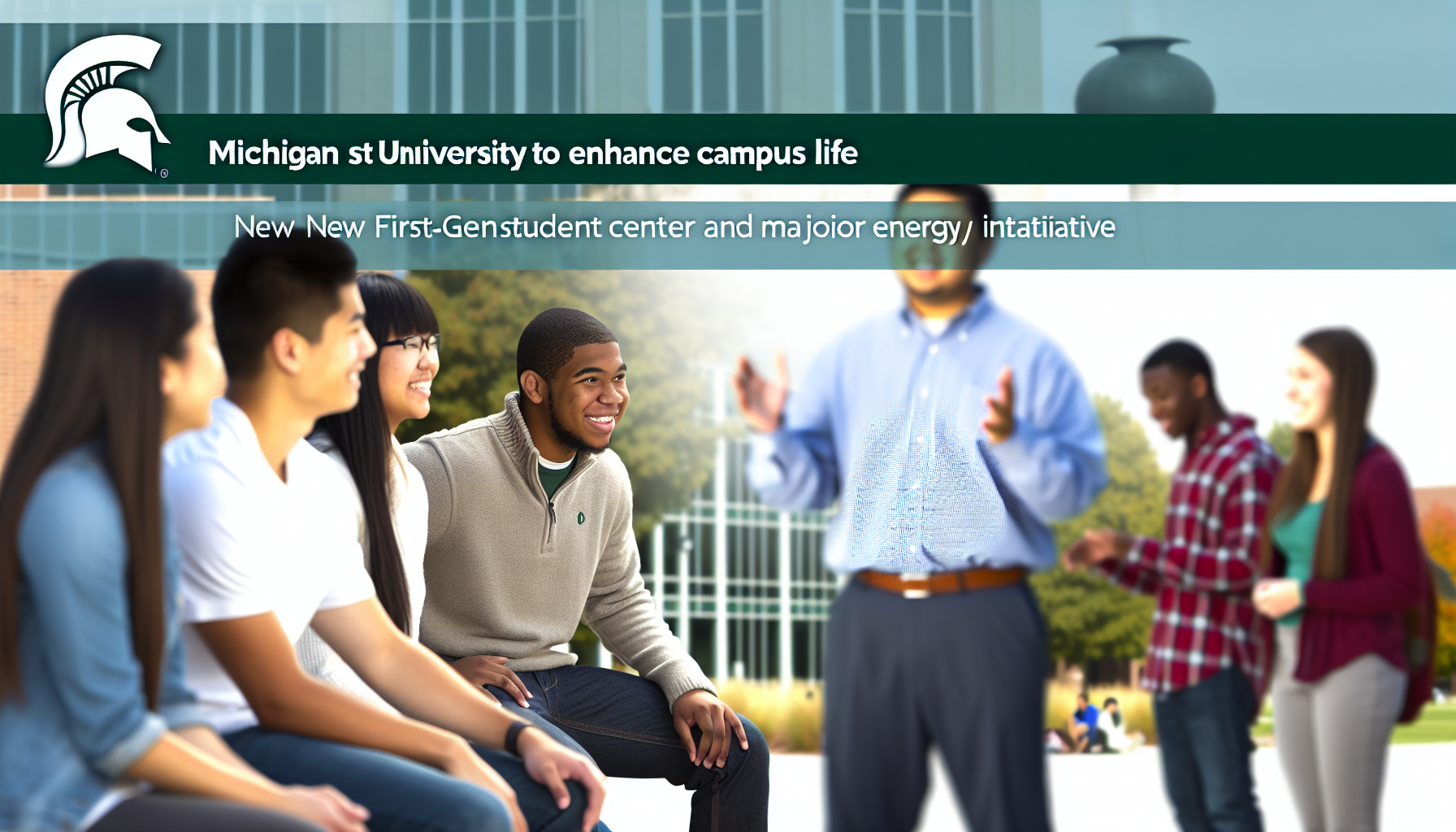
Michigan State University (MSU) is set for a significant transformation as its board prepares to vote on two pivotal initiatives: the establishment of a first-generation student center and the division of a substantial $330 million energy project. This decision, poised to be made on April 4, 2026, reflects MSU’s commitment to enhancing student support systems and advancing sustainable energy solutions on campus.
First-Generation Student Center: A Step Towards Inclusivity
The proposed first-generation student center aims to provide essential resources and support tailored specifically for first-generation college students. Recognizing that these students often face unique challenges in navigating the college experience, this center will serve as a hub for academic advising, mentorship, and community-building. (micro credentials for careers)
According to recent statistics, approximately 20% of MSU’s undergraduate population identifies as first-generation students. This demographic often lacks the familial support that many of their peers enjoy, making the establishment of such a center crucial for their success. The center is designed not only to assist these students academically but also to foster a sense of belonging within the university community.
Proposed Features of the Center
- Academic resources: Tutoring, workshops, and study spaces tailored for first-gen students.
- Mental health support: Counseling services specifically addressing the needs of first-generation students.
- Networking opportunities: Events and programs to connect students with alumni and professionals.
- Community space: A welcoming environment for students to gather and share experiences.
Investing in Sustainability: The $330 Million Energy Project
In tandem with the student center proposal, the board will also address the division of a $330 million energy project. This ambitious initiative is part of MSU’s broader strategy to enhance its energy infrastructure, reduce carbon emissions, and promote sustainability across its campus.
As part of this energy project, MSU plans to implement cutting-edge technologies to improve energy efficiency and reduce its overall carbon footprint. This includes upgrades to existing facilities, the installation of renewable energy sources, and the exploration of innovative energy solutions.
Key Objectives of the Energy Project
- Renewable energy integration: Transitioning towards solar, wind, and other renewable energy sources.
- Energy efficiency upgrades: Retrofitting buildings to enhance energy conservation.
- Reduced greenhouse gas emissions: Implementing strategies to lower the university’s carbon footprint.
- Long-term cost savings: Investing in sustainable energy to reduce future operational costs.
Impact on the MSU Community
The combined initiatives are expected to have a profound impact on the MSU community. The first-generation student center will empower students who might otherwise feel isolated or unsupported, helping them to thrive academically and socially. Meanwhile, the energy project aligns with global sustainability efforts and positions MSU as a leader in environmental responsibility.
These developments are indicative of a larger trend in higher education, where universities are increasingly prioritizing both student support services and sustainability initiatives. As institutions recognize the importance of these areas, they are making substantial investments to create inclusive, supportive environments for all students while addressing pressing environmental challenges.
Looking Forward
As the board votes on these critical initiatives, the MSU community is watching closely. The outcomes of this vote will not only shape the future of the university but also set a precedent for similar initiatives across the country. With a focus on both student success and sustainability, MSU is poised to make significant strides in enhancing the college experience for its students.
In conclusion, the upcoming vote on the first-generation student center and the energy project underscores Michigan State University’s dedication to fostering an inclusive, supportive educational environment while also leading the way in sustainable practices. As these developments unfold, they are likely to inspire other institutions to consider similar paths toward enhancing student resources and addressing environmental concerns.


