

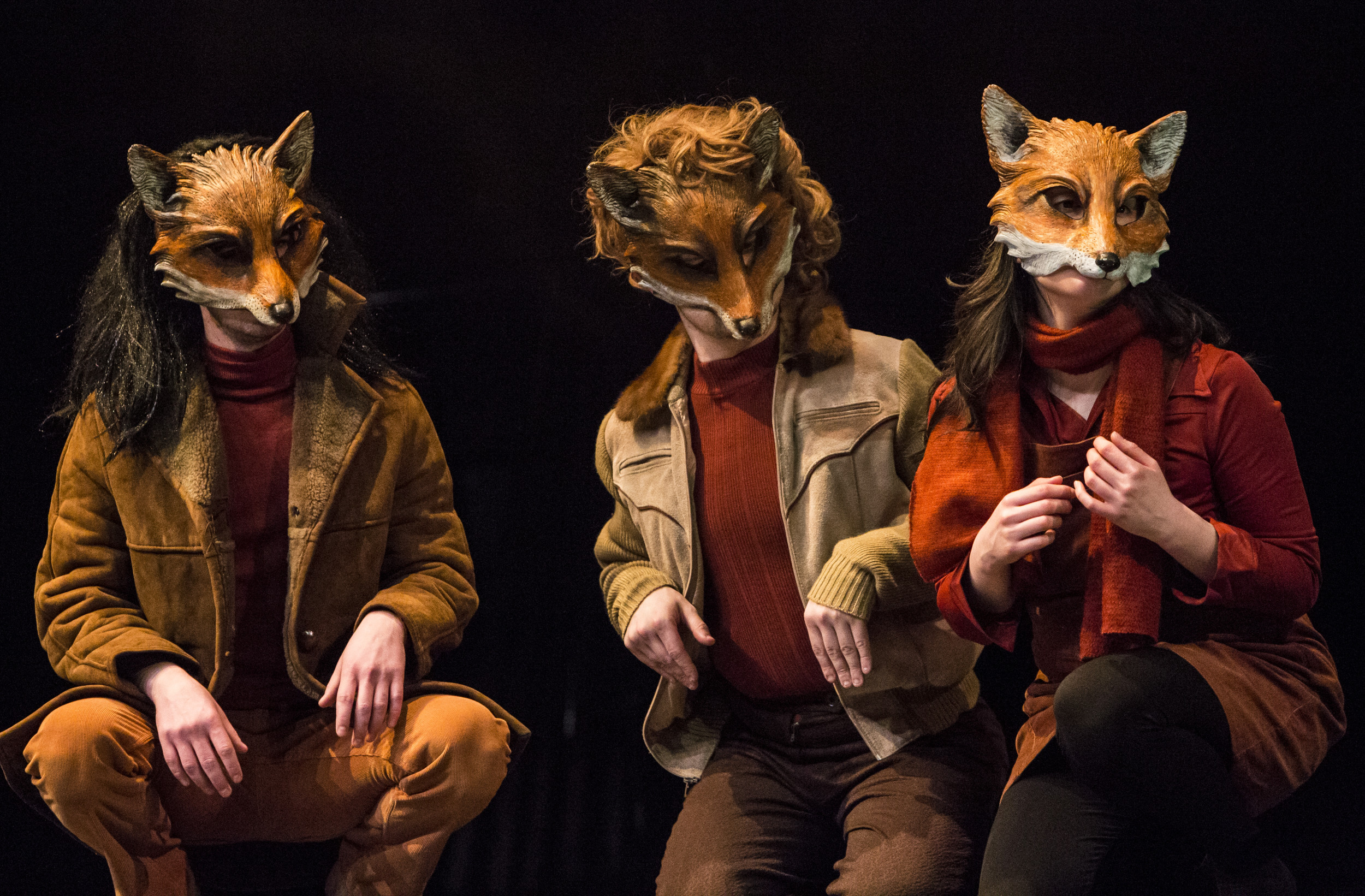
Masks and puppets have been integral to human culture for millennia, serving as powerful tools for storytelling, ritual, and artistic expression. These seemingly simple objects hold the power to transform, conceal, and reveal, playing crucial roles in various aspects of society across the globe.
Masks, in particular, have a rich history dating back to ancient civilizations. In many cultures, masks were used in religious ceremonies, believed to embody spirits or deities. The wearer of the mask was thought to take on the attributes of the being represented, facilitating communication between the human and spiritual realms. This spiritual significance can be seen in traditions ranging from African tribal rituals to Native American ceremonies.
Beyond their spiritual applications, masks have played significant roles in theater and performance. In ancient Greek drama, masks were used to portray different characters and emotions, allowing actors to switch roles easily and project their voices in large amphitheaters. This tradition continued in various forms, such as the elaborate masks of Japanese Noh theater or the iconic masks of Italian Commedia dell’arte.
In modern times, masks have taken on new significance in areas like sports (think of a catcher’s mask in baseball), medicine (surgical masks), and even popular culture (superhero masks). The recent global pandemic has brought masks into everyday life as essential protective equipment, adding yet another layer to their cultural significance.
Puppets, while sharing some similarities with masks in their ability to represent and transform, have their own unique place in human culture. Puppetry is an ancient art form that combines visual art with performance. From shadow puppets in Indonesia to hand puppets in Europe, these animated figures have long been used to tell stories, educate, and entertain.
One of the most fascinating aspects of puppetry is its ability to bring inanimate objects to life. This quality has made puppets particularly effective in children’s education and entertainment. Shows like “Sesame Street” have used puppets to teach generations of children, leveraging the engaging nature of these characters to impart important lessons.
In many cultures, puppet shows have also served as a form of social commentary and political satire. The ability to say controversial things through the mouth of a puppet has allowed performers to critique power structures and societal norms in ways that might otherwise be dangerous or forbidden.
The art of puppetry requires a unique blend of skills, including sculpture, costume design, voice acting, and manipulation. Master puppeteers can imbue their creations with such life-like qualities that audiences willingly suspend their disbelief, becoming emotionally invested in these fabricated characters.
Both masks and puppets continue to evolve in the modern world. Contemporary artists and performers are pushing the boundaries of these traditional forms, incorporating new materials, technologies, and concepts. From high-tech animatronic puppets in film to avant-garde mask performances in experimental theater, these ancient art forms are finding new relevance and expression.
In essence, masks and puppets represent humanity’s enduring desire to explore identity, to tell stories, and to transcend the limitations of our physical selves. They remain powerful symbols of our creativity and our need to connect with something beyond our everyday existence.


