

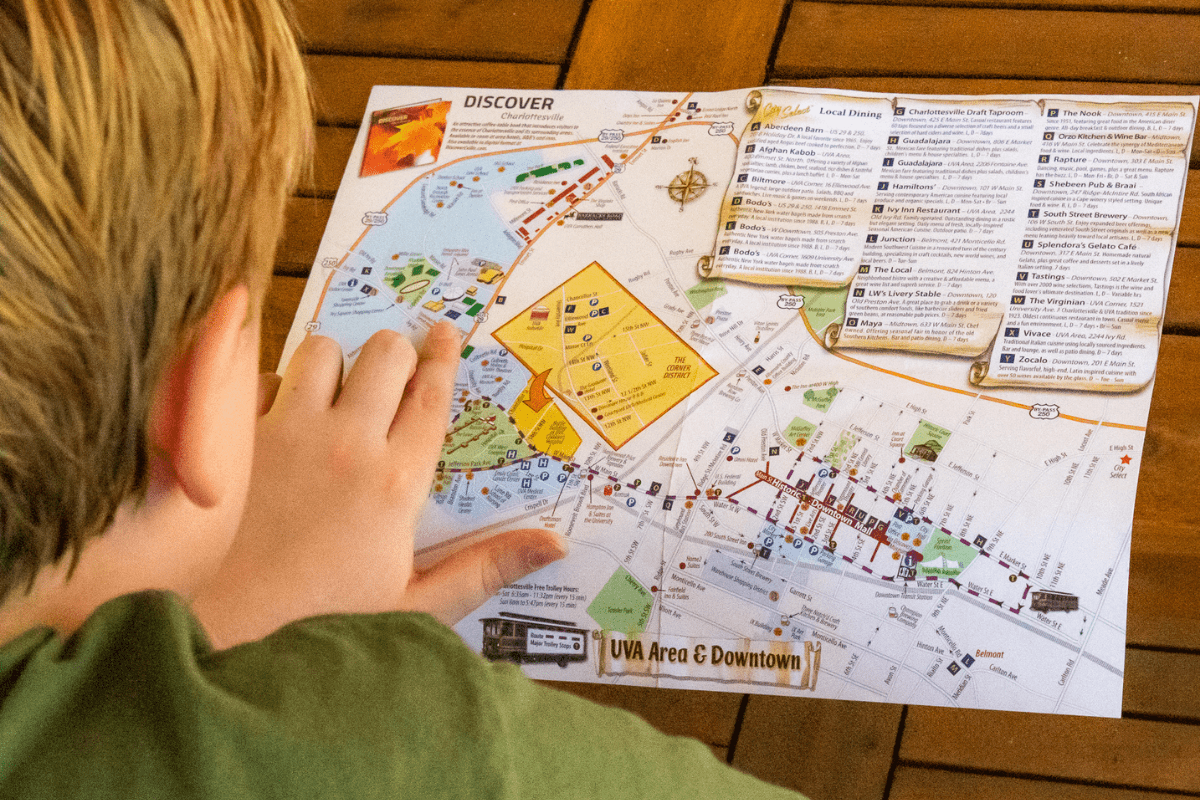
Maps are essential tools for understanding and navigating our world. The process of making and reading maps involves various skills and techniques that have evolved significantly with technological advancements.
Map Making (Cartography):
- Data Collection: Gathering geographical information through surveys, satellite imagery, and existing maps
- Projection: Converting the Earth’s 3D surface to a 2D representation
- Symbolization: Using colors, shapes, and icons to represent features
- Labeling: Adding names and descriptions to map elements
- Scale: Determining the ratio between map distances and real-world distances
Map Reading Skills:
- Understanding symbols and legends
- Interpreting contour lines for elevation
- Using grid references for location
- Recognizing scale and distance
- Identifying cardinal directions
Modern cartography often involves Geographic Information Systems (GIS) and digital mapping tools, allowing for interactive and customizable maps. However, traditional paper maps remain valuable for their reliability and comprehensive view.
In education, map-making and reading activities help develop spatial thinking, geography knowledge, and critical analysis skills. These skills are crucial not only for geography but also for various fields like urban planning, environmental science, and logistics.
As technology advances, the ability to create and interpret maps becomes increasingly important in our data-driven world, making these skills valuable for both personal navigation and professional applications.


