

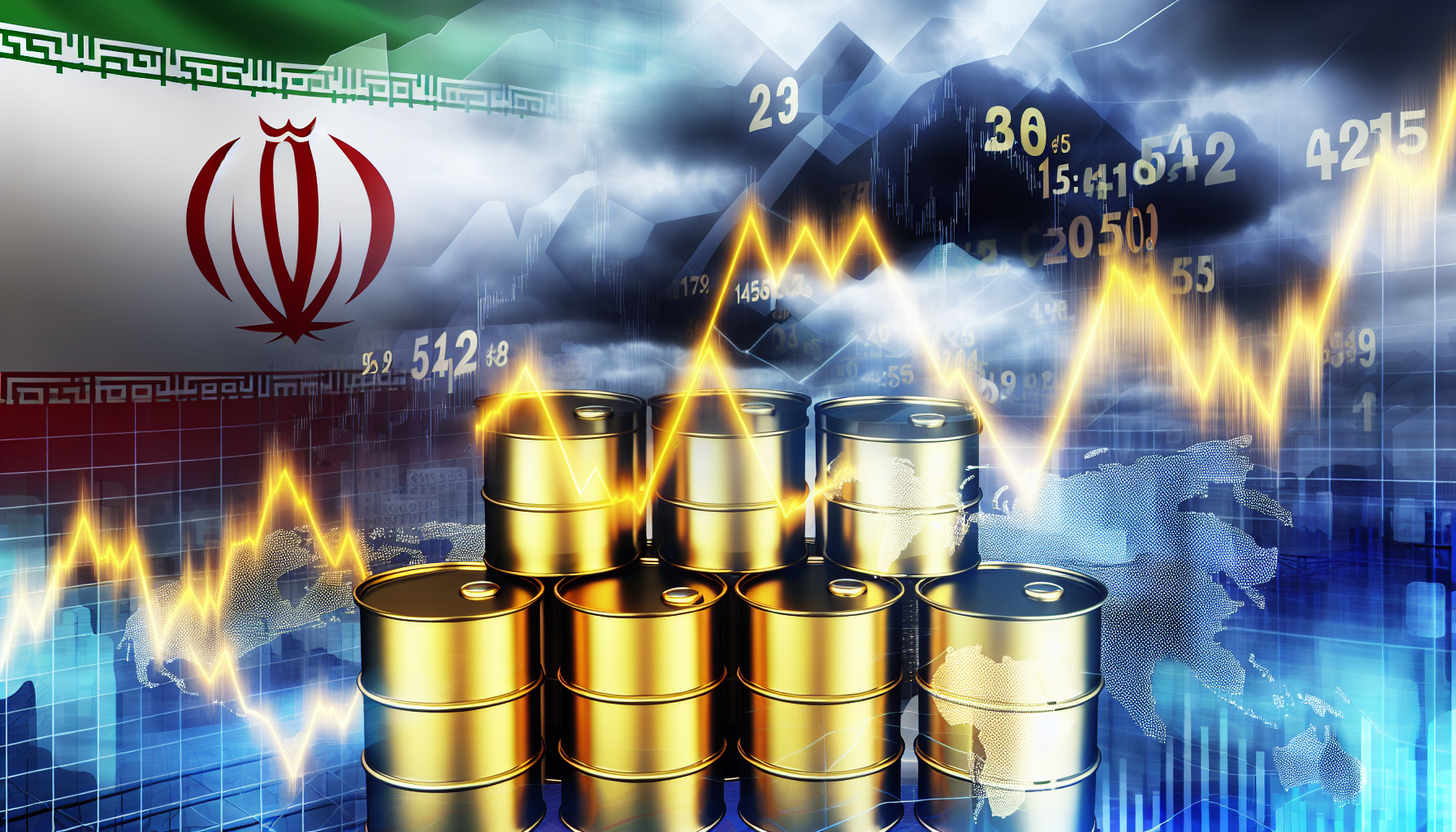
In a dramatic turn of events, crude oil prices have surged in the wake of escalating tensions in the Middle East, particularly following Iran’s alarming warnings regarding potential strikes on energy infrastructure in the region. This development has not only rattled global energy markets but has also led to a significant downturn in stock indices as investors react to the growing uncertainties.
Heightened Geopolitical Tensions
Iran’s threats to target vital energy facilities in key oil-producing nations such as Qatar, Saudi Arabia, and the United Arab Emirates have intensified fears of a broader disruption in oil supplies. This hostile rhetoric comes amidst ongoing conflicts in the region, prompting worries over the stability of energy markets that are already grappling with supply chain issues.
Impact on Crude Oil Prices
The immediate market response to Iran’s threats has been a sharp increase in crude oil prices. Investors are acutely aware that any military action could lead to significant interruptions in oil production and distribution, which is crucial for both regional and global economies. As a result, the price of crude has seen a noticeable uptick, underscoring the sensitivity of oil markets to geopolitical developments.
In recent trading sessions, oil prices have surged by more than 5%, a reflection of the market’s reaction to the heightened risks. This rise is compounded by existing supply constraints and the lingering effects of previous disruptions in the global oil supply chain.
Stock Market Reaction
As crude prices climb, the stock market has reacted negatively, with major indices experiencing declines. The connection between rising oil prices and falling stock values is often attributed to the increased costs for businesses and consumers, which can dampen economic growth.
- The S&P 500 index fell sharply, reflecting investor anxiety over potential inflationary pressures stemming from higher energy costs.
- The Dow Jones Industrial Average also experienced a notable decline as energy sector stocks fluctuated in response to oil price movements.
- Meanwhile, technology stocks, which are often sensitive to changes in consumer spending and economic conditions, faced selling pressure as well.
Broader Economic Implications
The situation presents a complex challenge for policymakers and economists. Energy prices play a critical role in shaping inflationary trends, and sustained increases in crude oil prices could lead to higher costs for consumers, thereby impacting overall economic growth.
Central banks, especially in oil-dependent economies, may find themselves in a difficult position. On one hand, they must address rising inflation, while on the other hand, they need to ensure that economic growth is not stymied by escalating energy costs.
Market Volatility and Investor Sentiment
The current market volatility is a reflection of investor sentiment, which tends to be sensitive to geopolitical developments. As reports of actual attacks on critical energy infrastructure emerge, the possibility of further strikes looms large, creating a climate of uncertainty that is palpable in trading floors around the world.
Analysts suggest that the situation could lead to a prolonged period of instability in both the energy and financial markets. Investors are advised to remain vigilant and consider the potential for further escalations in the region, which could exacerbate existing challenges in the global energy supply chain.
Looking Ahead
As the situation unfolds, market participants will be closely monitoring developments in the Middle East. Iran’s threats have not only sparked immediate price reactions but have also raised questions about the long-term stability of oil supplies from the region.
Industry experts argue that the international community must respond proactively to de-escalate tensions, as any prolonged conflict could have far-reaching consequences for global energy markets. The potential for retaliatory strikes and countermeasures could further complicate the landscape, leading to a scenario where energy prices remain elevated for an extended period.
In conclusion, the surge in crude prices following Iran’s warnings highlights the intricate link between geopolitical tensions and market dynamics. With stock markets reacting negatively and energy prices on the rise, the interconnectedness of global economies is more evident than ever. Investors and policymakers alike will need to navigate these turbulent waters with caution as the situation develops.


