

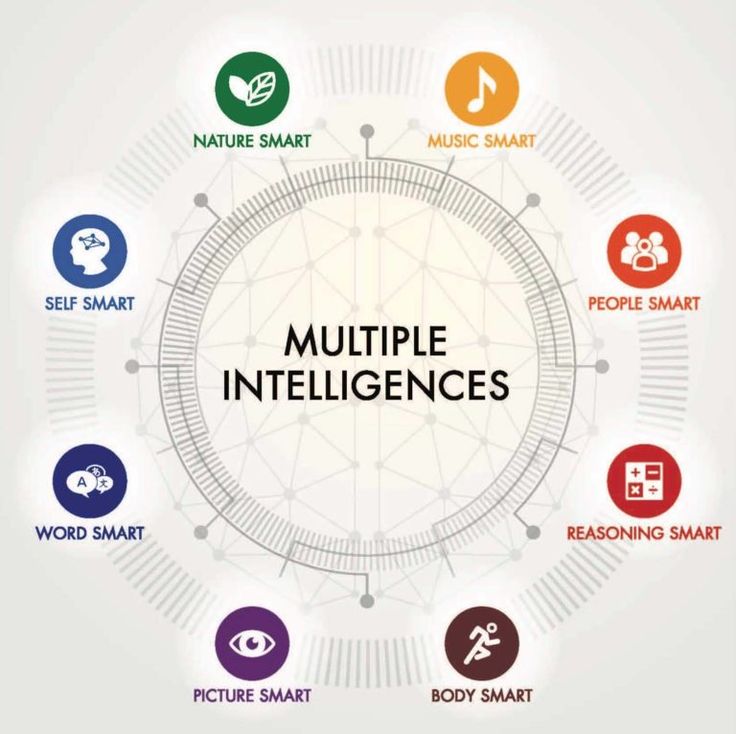
Homeschooling offers a unique opportunity to tailor education to a child’s individual strengths and learning styles. The theory of Multiple Intelligences, developed by Howard Gardner, suggests that there are eight distinct types of intelligence. By incorporating activities that cater to these different intelligences, homeschooling parents can create a rich, diverse learning environment.
- Linguistic Intelligence (Word Smart):
- Encourage creative writing, storytelling, and word games
- Incorporate reading aloud and discussions about literature
- Logical-Mathematical Intelligence (Number/Reasoning Smart):
- Use puzzles, logic games, and math manipulatives
- Engage in scientific experiments and problem-solving activities
- Spatial Intelligence (Picture Smart):
- Incorporate art projects, map reading, and visual aids
- Use mind mapping for organizing information
- Musical Intelligence (Music Smart):
- Integrate music into lessons, use educational songs
- Encourage learning an instrument or music composition
- Bodily-Kinesthetic Intelligence (Body Smart):
- Incorporate physical activities and hands-on learning
- Use role-playing and drama to reinforce concepts
- Interpersonal Intelligence (People Smart):
- Encourage group projects and cooperative learning
- Engage in community service and social activities
- Intrapersonal Intelligence (Self Smart):
- Promote journaling and self-reflection
- Allow for independent study and goal-setting
- Naturalistic Intelligence (Nature Smart):
- Incorporate nature studies and outdoor learning
- Encourage gardening and animal care
When homeschooling for multiple intelligences:
- Assess your child’s strengths and preferences
- Create a flexible curriculum that addresses all intelligences
- Use a variety of teaching methods and materials
- Allow your child to demonstrate learning in different ways
- Celebrate and nurture your child’s unique combination of intelligences
By embracing multiple intelligences in homeschooling, parents can create a personalized, engaging educational experience that helps their children thrive and develop a love for lifelong learning.


