

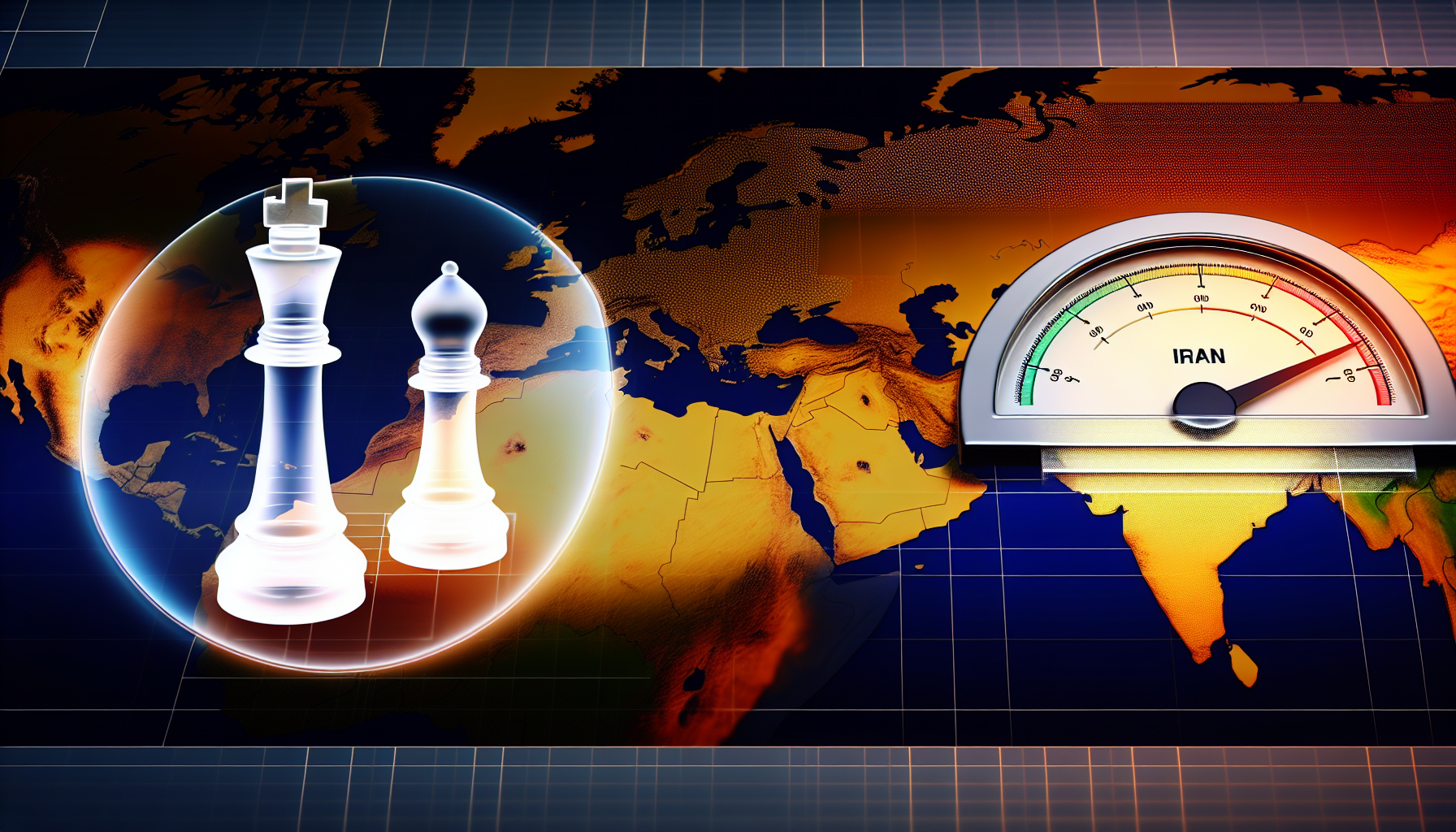
As global tensions mount, fears of a wider conflict involving Iran have intensified, with analysts expressing grave concerns about potential military escalations that could reshape the geopolitical landscape. The discussion, highlighted in Bloomberg’s ‘The China Show’ on March 30, 2026, delves into the multifaceted implications of these tensions, particularly in relation to ongoing conflicts across various regions.
Current State of Affairs
The backdrop of this escalating situation is characterized by increasing hostility between Iran and the United States, with both nations engaging in a series of provocative actions that have heightened the risk of military confrontation. Analysts point to recent incidents involving military vessels in the Persian Gulf and Iran’s continued support for proxy groups in the region as contributing factors to the rising tensions.
Iran’s Regional Influence
Iran’s strategic positioning in the Middle East has made it a focal point in discussions about regional stability and security. The country has been actively involved in conflicts in Iraq, Syria, and Yemen, providing military and logistical support to allied groups. This involvement has been a source of frustration for the U.S. and its allies, who view Iran’s actions as destabilizing.
Moreover, Iran’s nuclear ambitions remain a contentious issue. Despite ongoing negotiations aimed at curbing its nuclear program, many in the international community fear that Iran may be closer than ever to developing a nuclear weapon, further complicating the geopolitical dynamics in the region.
U.S. Response and Global Implications
The U.S. has responded to Iran’s provocations with a combination of diplomatic efforts and military posturing. The Biden administration has sought to rally international support against Iran’s aggressive behavior while simultaneously trying to revive the Joint Comprehensive Plan of Action (JCPOA), the nuclear deal that was abandoned by the previous administration.
However, the prospect of military action looms large. Military experts warn that any miscalculation in this high-stakes environment could lead to a broader conflict, drawing in regional powers and potentially even global superpowers. The implications of such a conflict extend beyond the Middle East, affecting global oil markets, international trade routes, and the balance of power in the region.
Potential Scenarios for Escalation
Several scenarios could lead to further escalation between Iran and the U.S., including:
- Direct Military Conflict: Any direct engagement between U.S. forces and Iranian military assets could trigger a wider war, potentially involving allies on both sides.
- Proxy Warfare: Iran’s support for proxy groups across the region could lead to increased skirmishes with U.S. forces or their allies, further complicating the situation.
- Economic Sanctions: Heightened sanctions imposed by the U.S. could provoke retaliatory measures from Iran, escalating tensions.
International Reactions
The international community is closely monitoring the situation, with various nations expressing concern over the potential for a wider conflict. European allies have called for restraint from both sides, emphasizing the need for diplomatic solutions to avoid military confrontation.
China and Russia, both key players in the region, have also weighed in on the issue, advocating for dialogue and cautioning against unilateral actions that could destabilize the situation further. Their involvement underscores the broader geopolitical implications of the Iran-U.S. tensions, as both nations seek to expand their influence in a region historically dominated by U.S. interests.
The Role of Public Opinion
The public perception of a potential conflict with Iran is another crucial factor. Recent polls indicate that many Americans are wary of entering another military engagement in the Middle East, reflecting a war-weary nation that has witnessed the costly consequences of previous conflicts. This sentiment may influence U.S. policymakers as they navigate the complex landscape of international relations.
Conclusion: A Volatile Future
The fears of a wider conflict involving Iran are not unfounded. As tensions escalate, the world watches closely, understanding that the stakes are high. With potential military confrontations looming and diplomatic avenues becoming increasingly fraught, the coming months will be critical in determining the future of U.S.-Iran relations and regional stability.
As the landscape evolves, staying informed about these developments is vital for policymakers and citizens alike, as the implications of these tensions could reverberate far beyond the Middle East, impacting global peace and security for years to come.


