

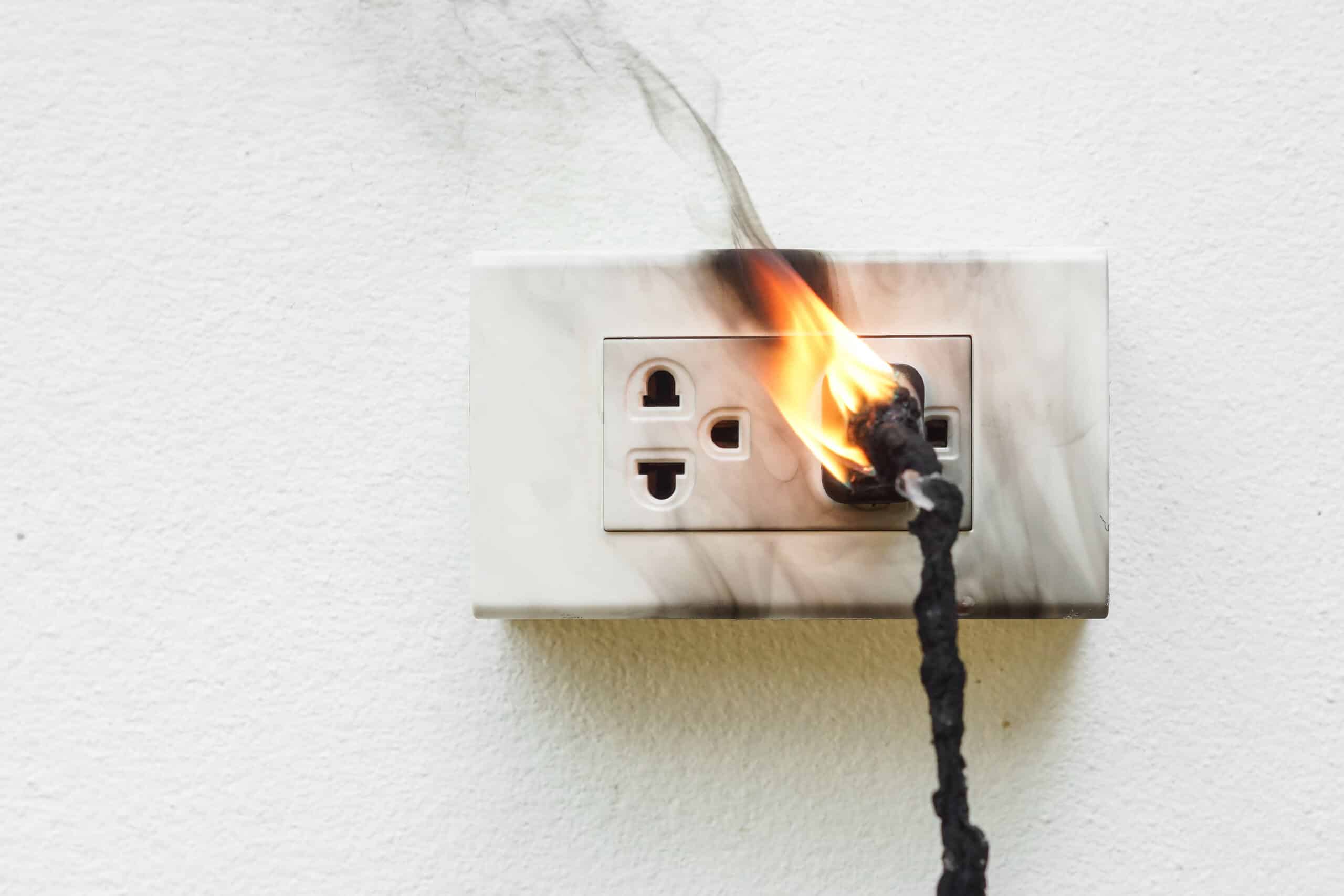
Electrical fires are a significant safety concern in both residential and commercial settings. These fires occur when heat generated by faulty wiring, overloaded circuits, or malfunctioning electrical devices ignites nearby combustible materials. Understanding the causes, prevention, and proper response to electrical fires is crucial for maintaining safety.
Common Causes:
- Faulty Wiring: Old or improperly installed wiring can overheat and start fires.
- Overloaded Circuits: Plugging too many devices into a single outlet or circuit can cause overheating.
- Defective Electrical Devices: Malfunctioning appliances or electronics can spark fires.
- Improper Use of Extension Cords: Using extension cords as permanent wiring or overloading them can lead to fires.
- Damaged Electrical Cords: Frayed or chewed cords can expose live wires, creating fire hazards.
- Light Fixtures: Using bulbs with higher wattage than recommended can overheat fixtures.
Prevention Strategies:
- Regular Inspections: Have a licensed electrician inspect your wiring periodically, especially in older buildings.
- Avoid Overloading: Use power strips with circuit breakers and avoid plugging too many high-wattage devices into one circuit.
- Proper Maintenance: Replace damaged cords and dispose of malfunctioning devices.
- Use Correct Wattage: Always use light bulbs with the correct wattage for fixtures.
- GFCI Outlets: Install Ground Fault Circuit Interrupter outlets in kitchens, bathrooms, and outdoor areas.
- Surge Protectors: Use quality surge protectors to safeguard electronics.
- Keep Heat Sources Away: Ensure space heaters and other heat-generating devices are away from flammable materials.
Responding to Electrical Fires:
- Cut Power: If safe, turn off electricity at the main breaker.
- Use Proper Extinguishers: Use a Class C fire extinguisher designed for electrical fires. Never use water on an electrical fire.
- Evacuate: If the fire is uncontrollable, evacuate immediately and call emergency services.
- Baking Soda: For small fires, baking soda can be used to smother the flames.
Warning Signs:
Be alert to signs of potential electrical issues:
- Frequent circuit breaker trips or blown fuses
- Dimming or flickering lights
- Buzzing sounds from outlets
- Warm or discolored wall plates
- Burning odors from appliances or wiring
Importance of Smoke Detectors:
Install smoke detectors on every level of your home or business, especially near sleeping areas. Test them monthly and replace batteries annually.
By understanding the causes of electrical fires and implementing preventive measures, you can significantly reduce the risk of these dangerous incidents. Regular maintenance, proper use of electrical devices, and awareness of warning signs are key to electrical safety. In the event of an electrical fire, quick and appropriate action can prevent its spread and minimize damage.


