

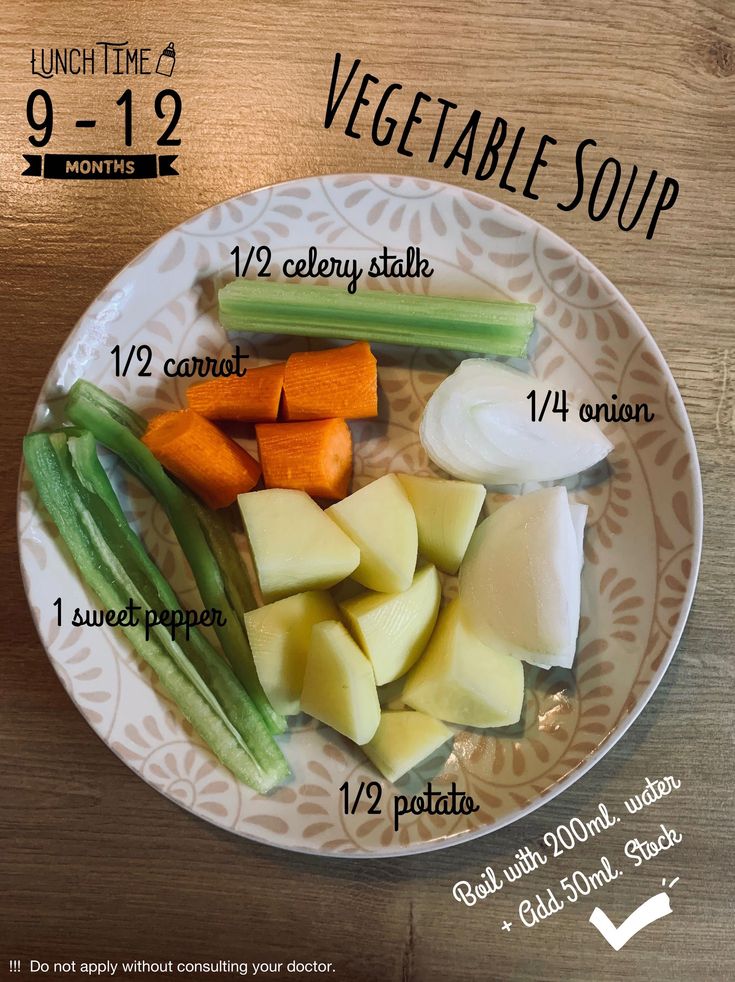
When introducing solid foods to your baby, it’s crucial to be aware of which foods are safe and which should be avoided. Here’s a comprehensive guide to foods you should not give to your baby, along with explanations of why they’re potentially harmful:
- Honey: Avoid giving honey to babies under 1 year old. It can contain spores of Clostridium botulinum, which can cause infant botulism, a serious illness.
- Cow’s Milk: Don’t give cow’s milk as a drink to babies under 1 year. It doesn’t provide the right nutritional balance and can stress a baby’s kidneys. However, dairy products like yogurt and cheese are generally fine.
- Choking Hazards: Avoid foods that can easily lodge in a baby’s throat:
- Whole grapes (cut them into quarters)
- Nuts and seeds
- Popcorn
- Hard candies
- Large chunks of cheese or meat
- Raw vegetables like carrots (cook and soften them instead)
- Added Salt and Sugar: Babies’ kidneys can’t handle much sodium, and sugar can lead to tooth decay and unhealthy eating habits. Avoid adding these to baby food.
- Unpasteurized Foods: These can contain harmful bacteria. Avoid:
- Unpasteurized milk
- Soft cheeses made from unpasteurized milk (like Brie or feta)
- Certain Fish: Some fish contain high levels of mercury:
- Shark
- Swordfish
- King mackerel
- Tilefish
- Raw or Undercooked Foods:
- Raw or undercooked eggs (risk of salmonella)
- Raw or undercooked meat, poultry, or fish
- Raw sprouts
- Fruit Juices: The American Academy of Pediatrics recommends no fruit juice for children under 1 year old. It can contribute to tooth decay and excessive weight gain.
- Caffeine: Avoid giving babies foods or drinks containing caffeine, including:
- Coffee
- Tea
- Soda
- Chocolate (in large amounts)
- Artificial Sweeteners: These provide no nutritional value and may harm a baby’s developing palate.
- Smoked and Cured Meats: These often contain high levels of sodium and preservatives not suitable for babies.
- Certain Herbs and Spices: Some herbs and spices can be too strong for a baby’s developing digestive system. Avoid:
- Hot spices like cayenne or chili powder
- Garlic salt or onion salt (due to high sodium content)
Remember, every baby develops at their own pace, and it’s always best to consult with your pediatrician about introducing new foods. When you do introduce new foods, do so one at a time and wait a few days before introducing another. This helps you identify any potential allergies or sensitivities.
As your baby grows and becomes more adept at eating, you can gradually introduce a wider variety of foods. Always supervise your baby during mealtimes and be aware of any signs of allergic reactions or choking. By being cautious and informed about what foods to avoid, you can ensure your baby’s nutrition and safety as they explore the world of solid foods.


