

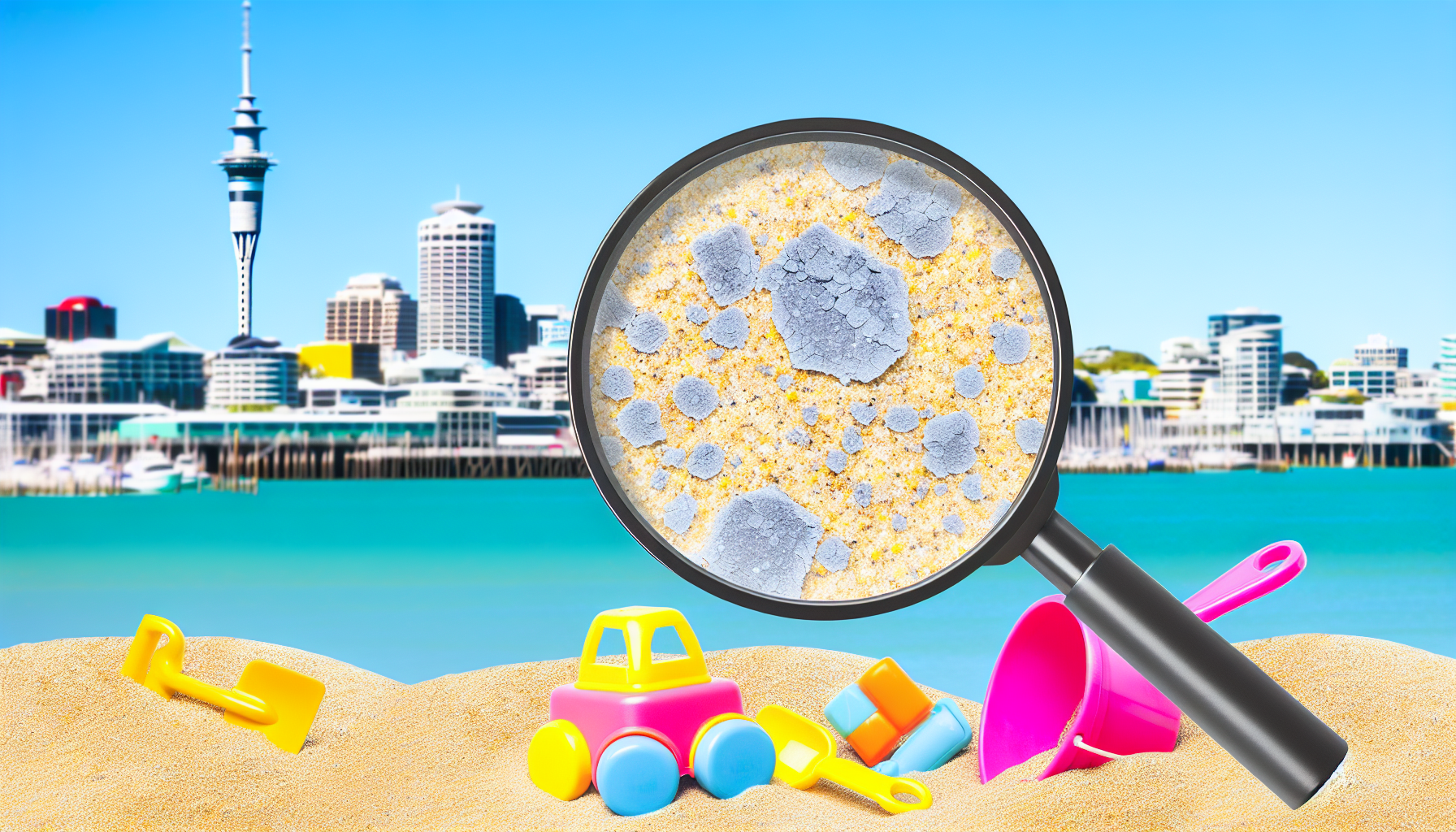
Concerns over environmental safety are reaching new heights as Auckland University of Technology (AUT) embarks on a pioneering study to investigate the potential health risks associated with asbestos contamination in children’s play sand. The world-first research aims to explore whether asbestos fibres can become airborne and pose inhalation hazards to children playing in contaminated sand.
The Health Risks of Asbestos
Asbestos, a naturally occurring mineral known for its heat resistance and insulating properties, has long been recognized as a significant health hazard. Exposure to asbestos fibres can lead to serious health issues, including lung diseases such as asbestosis, lung cancer, and mesothelioma. Although its use has been largely banned in many countries, remnants of asbestos-laden materials continue to pose risks, particularly in environments where children play.
Why Focus on Play Sand?
Children often play in sandpits and playgrounds, with sand being a staple in many outdoor recreational areas. Unfortunately, some sources of play sand may be contaminated with asbestos, raising alarms about the potential for children to inhale dangerous fibres during play. While the dangers of direct contact with asbestos are well-documented, the specific risks associated with inhaling fibres from contaminated play sand are less understood, making this research particularly critical.
Study Objectives
The AUT study will rigorously test the hypothesis that asbestos fibres present in contaminated play sand can become airborne. Researchers will focus on several key objectives:
- Assessing Airborne Asbestos Levels: The study aims to measure the concentration of airborne asbestos fibres in environments where children play with contaminated sand.
- Understanding Inhalation Risks: Researchers will evaluate how easily these fibres can be inhaled by children during typical play activities.
- Identifying Contaminated Sources: The study will investigate the sources of contaminated sand, aiming to better understand how these materials enter playgrounds.
Importance of the Research
This research is significant not only for its potential to protect children’s health but also for its broader implications regarding environmental safety standards in New Zealand and beyond. The findings could lead to revised guidelines on sand usage in playgrounds and increased awareness regarding the hidden dangers of seemingly innocuous materials.
Potential Policy Implications
Should the study reveal substantial risks associated with airborne asbestos from play sand, it could prompt policymakers to implement stricter regulations concerning the sourcing and testing of sand used in children’s recreational areas. This could involve:
- Reevaluation of Sand Suppliers: Ensuring that suppliers of play sand adhere to rigorous testing protocols to certify that their products are free from harmful contaminants.
- Public Awareness Campaigns: Educating parents and caregivers about the potential risks of contaminated play materials and how to identify safe play environments.
- Enhanced Monitoring: Establishing a framework for routine testing and monitoring of playground materials to ensure ongoing safety.
Community Engagement and Response
The study has garnered attention not only within academic circles but also among local communities concerned about environmental safety. Parents, educators, and health professionals are eagerly awaiting the results, which could have implications for public health and safety policies across New Zealand.
Public Concerns
There are rising concerns among parents regarding the safety of outdoor play spaces. Many are unaware of the potential hazards that contaminated sand may pose. The AUT study aims to address these fears by providing concrete evidence and recommendations based on scientific findings.
Conclusion
As the AUT study progresses, the hope is that it will shed light on the often-overlooked issue of asbestos in play materials. By determining whether asbestos fibres can become airborne, researchers will provide critical insights that can help protect children from invisible dangers in their play environments. The implications of this research extend beyond Auckland, potentially influencing environmental safety standards globally, ensuring that every child has a safe space to play and develop.


