

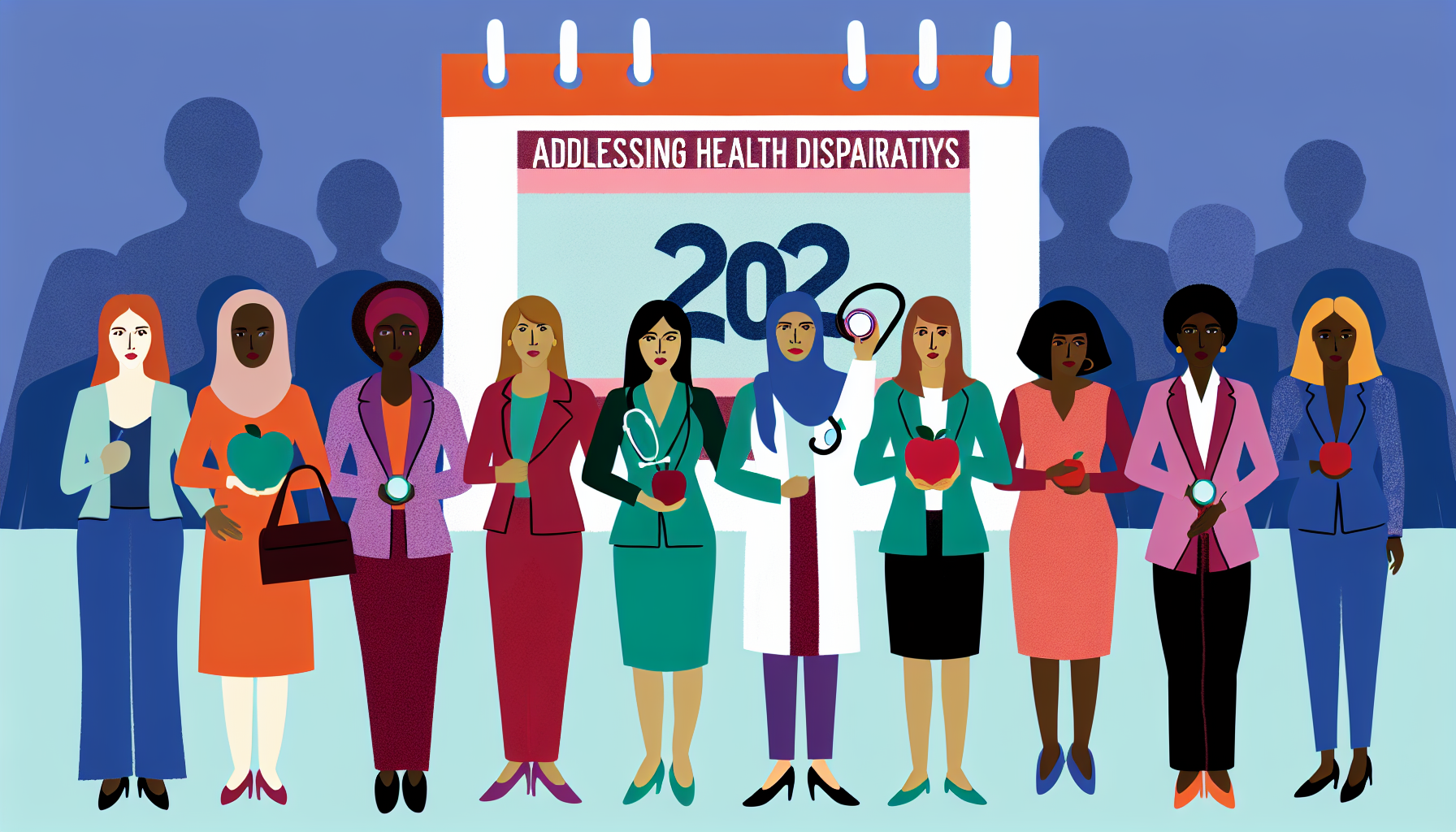
As we approach Women’s History Month in March 2026, the spotlight is set firmly on the critical issues surrounding women’s health equity in the United States. This year’s observance draws attention to the persistent disparities that affect women, particularly women of color, in areas such as maternal health and cardiovascular disease. With alarming statistics and calls for action, the need for systemic change has never been more urgent.
The Stark Reality of Maternal Health
Maternal health remains a significant concern, especially as recent federal data reveals troubling trends. In 2024 alone, 649 women died from maternal causes, contributing to a maternal mortality rate of 17.9 deaths per 100,000 live births. This statistic underscores a growing crisis that disproportionately impacts marginalized communities. Women of color, particularly, are at a heightened risk, facing barriers that hinder their access to quality healthcare during and after pregnancy.
Understanding Maternal Mortality Rates
The statistics surrounding maternal mortality rates are not just numbers; they represent lives lost, families affected, and communities grieving. The disparities are stark:
- Black women are three times more likely to die from pregnancy-related complications than white women.
- American Indian and Alaska Native women also face significantly higher risks, with many experiencing systemic barriers to healthcare.
- Hispanic and multiracial women are also experiencing escalating maternal health challenges.
These disparities are fueled by a combination of factors, including socioeconomic status, access to prenatal care, and systemic racism within the healthcare system. Addressing these issues requires a multi-faceted approach that includes policy reform, education, and community engagement.
Cardiovascular Disease: A Growing Threat
Alongside maternal health, cardiovascular disease continues to pose a significant threat to women’s health. The American Heart Association has raised alarms that nearly 6 in 10 women in the United States could develop some form of cardiovascular disease within the next 25 years. This statistic is particularly concerning when considering the demographic breakdown of those most affected.
Projected Increases Among Diverse Populations
The American Heart Association’s projections indicate that the steepest increases in cardiovascular disease are anticipated among:
- American Indian women
- Alaska Native women
- Black women
- Hispanic women
- Multiracial women
This alarming trend highlights the urgent need for targeted interventions that address the unique risk factors faced by these communities. Factors such as limited access to healthcare, cultural barriers, and economic disparities must be addressed to improve outcomes.
Healthcare Access: Barriers and Solutions
One of the primary challenges in achieving health equity for women, especially women of color, is the ongoing issue of healthcare access. Many women face barriers that prevent them from obtaining necessary medical care, including:
- Economic barriers: Many women lack adequate insurance or cannot afford out-of-pocket expenses.
- Geographic barriers: Rural areas often lack healthcare facilities that provide essential reproductive and cardiovascular care.
- Cultural barriers: Language differences and cultural misunderstandings can hinder effective communication between healthcare providers and patients.
To combat these barriers, healthcare systems must prioritize community-based solutions that enhance access to care. This includes investment in telehealth services, increasing the number of healthcare providers in underserved areas, and developing culturally competent care practices.
Advocacy and Policy Change
As we reflect on the challenges of women’s health during Women’s History Month, advocacy and policy change play a crucial role in addressing health disparities. Organizations dedicated to women’s health must continue to push for:
- Legislation aimed at reducing maternal mortality rates, particularly among marginalized populations.
- Increased funding for research focused on women’s cardiovascular health.
- Programs that promote education and awareness about heart disease risk factors among women.
Engaging women in advocacy efforts not only empowers them but also amplifies their voices in the policy-making process. Collective action is essential to drive meaningful change and improve health outcomes for all women.
Conclusion: A Call to Action
Women’s History Month 2026 serves as a crucial reminder of the health disparities that continue to affect women, especially women of color. As we acknowledge the progress made, we must also confront the realities that persist. By focusing on maternal health and cardiovascular disease, we can work towards a future where all women have equitable access to healthcare, leading to healthier lives and communities.
It is time to advocate for systemic changes that prioritize women’s health and create supportive environments for all women, regardless of their background. Only through collective action and commitment can we hope to achieve true health equity for future generations.


