

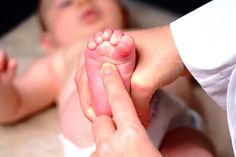
Infant reflexes are automatic, involuntary movements that babies make in response to specific stimuli. These reflexes are crucial for a baby’s survival and development. Here’s a comprehensive guide to common infant reflexes:
- Rooting Reflex
- Trigger: Stroking the cheek or corner of the mouth
- Response: Baby turns head towards the touch, opening mouth
- Purpose: Helps locate food source for feeding
- Disappears: Around 4 months
- Sucking Reflex
- Trigger: Something touching the roof of the mouth
- Response: Rhythmic sucking motion
- Purpose: Essential for feeding
- Disappears: Gradually replaced by voluntary sucking around 4 months
- Moro Reflex (Startle Reflex)
- Trigger: Sudden movement or loud noise
- Response: Baby throws back head, extends arms and legs, then pulls arms and legs in
- Purpose: Primitive fight-or-flight response
- Disappears: Around 5-6 months
- Palmar Grasp Reflex
- Trigger: Object placed in baby’s palm
- Response: Baby closes hand around object
- Purpose: Prepares for voluntary grasping
- Disappears: Around 5-6 months
- Stepping Reflex
- Trigger: Feet touching a flat surface while held upright
- Response: Baby makes stepping motions
- Purpose: Prepares for walking
- Disappears: Around 2 months, reappears as voluntary movement later
- Tonic Neck Reflex (Fencing Reflex)
- Trigger: Head turned to one side while lying down
- Response: Arm on that side straightens, opposite arm bends
- Purpose: Develops hand-eye coordination
- Disappears: Around 5-7 months
- Babinski Reflex
- Trigger: Stroking the sole of the foot
- Response: Toes fan out, big toe moves upward
- Purpose: Unknown, possibly related to motor development
- Disappears: Around 12 months
These reflexes are important indicators of a baby’s neurological development. If you notice that a reflex persists beyond its expected timeframe or is absent, consult your pediatrician. Remember, every baby develops at their own pace, and slight variations in timing are usually normal.


