

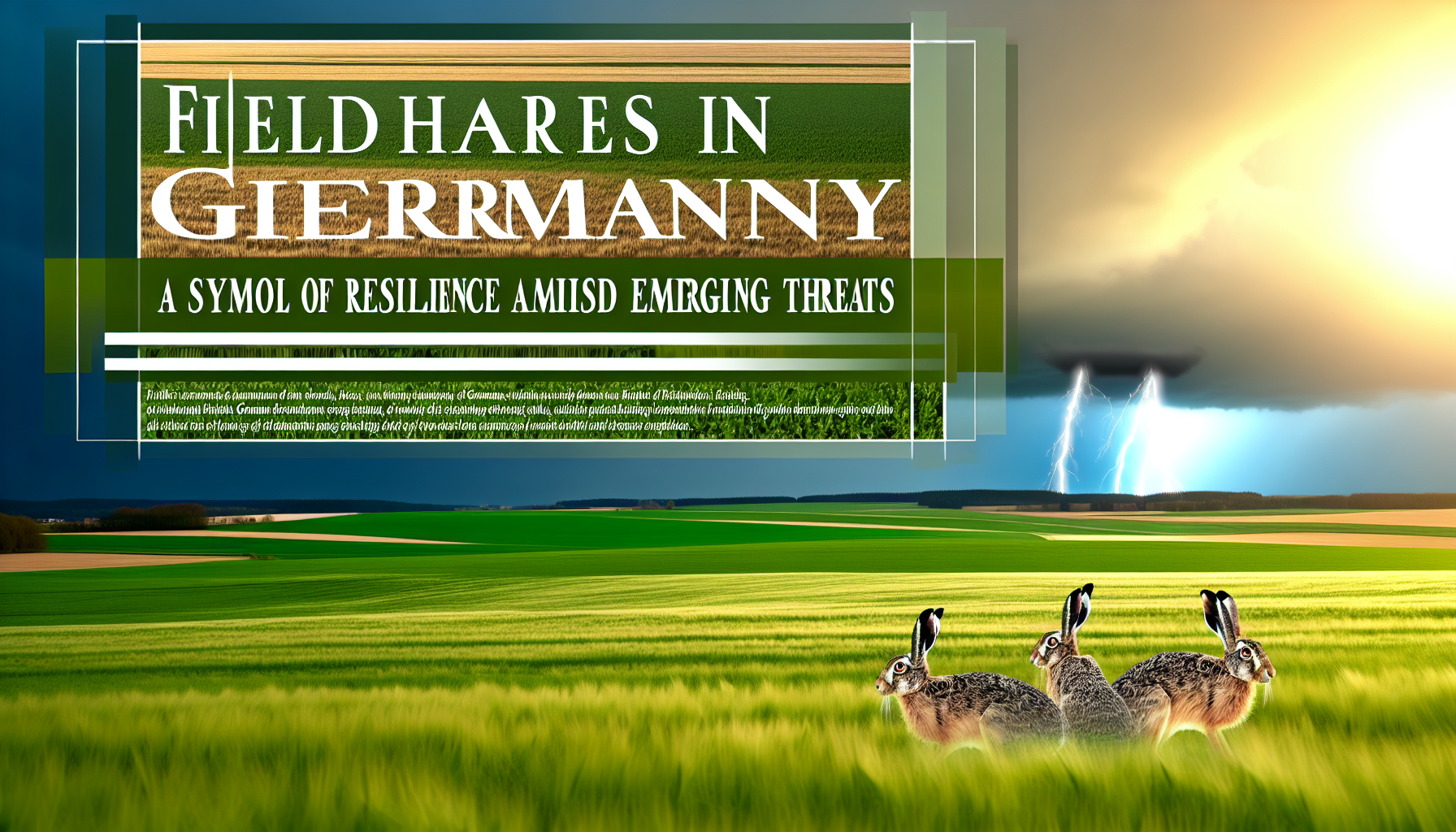
The field hare, a vital species in Germany’s rural ecosystems, continues to demonstrate resilience with its population remaining stable in recent years. This consistency in numbers is a positive indicator of biodiversity in the countryside, reflecting a balanced natural environment. However, experts caution that a new viral threat could significantly impact these hares and alter their population dynamics in the near future.
Current Status of Field Hares
Field hares (Lepus europaeus) are an essential part of Germany’s biodiversity, contributing to the ecological balance in agricultural and natural landscapes. Reports indicate that their populations are holding steady, which is encouraging news for conservationists and ecologists who monitor wildlife trends. The stability of these hare populations suggests that agricultural practices and land use in rural areas have not drastically changed to their detriment.
Significance of Stable Populations
The health of field hare populations is a reflection of the broader ecological conditions within their habitats. High populations can indicate effective land management practices that support wildlife, including adequate food sources and safe breeding grounds. The presence of robust hare populations can also suggest that predator-prey dynamics are functioning correctly, which is crucial for maintaining the health of ecosystems.
Emerging Threats: A New Virus
Despite the encouraging news regarding population stability, experts are sounding alarms over the emergence of a new virus that poses a significant threat to field hares. While specific details about the virus remain scarce, its potential impact is alarming. Infectious diseases can rapidly alter the dynamics of wildlife populations, leading to declines that may take years to recover from.
The Importance of Monitoring
As populations of field hares remain stable, the introduction of this virus highlights the critical need for ongoing monitoring and research. Experts emphasize that understanding the nature of this virus, its transmission, and its effects on hare health is essential for developing effective conservation strategies. The lack of precise population figures and detailed information about the virus underscores the challenges faced by wildlife biologists and conservationists.
Implications for Biodiversity
The stability of field hare populations is not just a matter of concern for their species but has broader implications for biodiversity as a whole. Healthy hare populations support a variety of predators, such as foxes and birds of prey, and contribute to the overall functioning of their ecosystems. Any decline in their numbers could have cascading effects throughout the food web, ultimately impacting various species.
Future Conservation Efforts
In light of these challenges, conservation efforts must evolve. Strategies may include:
- Enhanced Surveillance: Establishing systems to monitor hare populations and track the spread of the virus will be crucial.
- Research Initiatives: Funding studies focused on the virus and its impact on field hares can provide valuable insights for conservationists.
- Public Awareness Campaigns: Educating the public about the significance of field hares and the challenges they face can foster greater community involvement in conservation efforts.
- Habitat Protection: Ensuring that habitats remain intact and conducive to hare populations will be vital for their survival.
Conclusion
The field hare serves as a barometer for the health of rural ecosystems in Germany. While current population stability is promising, the looming threat of a new virus raises urgent questions about the future of this species. By prioritizing monitoring and research, conservationists can better prepare for potential impacts and work towards safeguarding the field hare and the biodiversity it represents. In an era where wildlife faces unprecedented challenges, the resilience of the field hare can inspire deeper engagement in environmental stewardship and protection.


