

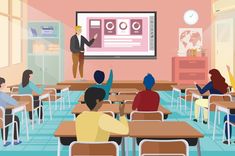
Classroom management refers to the wide variety of skills and techniques that teachers use to keep students organized, orderly, focused, attentive, on task, and academically productive during a class. Effective classroom management is crucial for creating an environment conducive to learning and ensuring that instructional goals are met.
Key components of classroom management include:
- Establishing rules and procedures: Clear guidelines for behavior and routines help create a structured environment.
- Building positive relationships: Fostering good teacher-student and student–student relationships promotes a positive classroom atmosphere.
- Maintaining student engagement: Using various teaching strategies to keep students interested and involved in learning activities.
- Managing disruptive behavior: Developing strategies to address and redirect inappropriate behavior effectively.
- Organizing the physical space: Arranging the classroom to facilitate learning and minimize distractions.
- Time management: Efficiently planning and executing lessons to maximize instructional time.
Effective classroom management is essential for creating a positive learning environment, reducing behavioral issues, and improving student achievement.


