

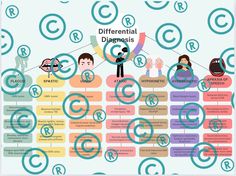
Childhood dysarthria is a motor speech disorder characterized by weakness, slowness, or incoordination of the speech muscles. Unlike apraxia of speech, which involves difficulties in planning speech movements, dysarthria results from impaired execution of speech movements due to neurological damage or conditions affecting the muscles involved in speech production.
In children, dysarthria can be caused by various neurological conditions, including cerebral palsy, brain injury, muscular dystrophy, or certain genetic disorders. The specific symptoms and severity of dysarthria can vary depending on the underlying cause and the areas of the nervous system affected.
Common characteristics of childhood dysarthria include:
- Slurred or unclear speech
- Slow or rapid speech rate
- Limited tongue, lip, and jaw movement
- Changes in voice quality (e.g., hoarse, breathy, or nasal voice)
- Difficulty controlling volume and pitch
- Impaired articulation of consonants and vowels
Children with dysarthria may also experience difficulties with other oral motor functions, such as chewing, swallowing, or controlling saliva. Unlike children with language disorders, those with dysarthria typically have intact language comprehension and formulation skills; their primary challenge lies in the physical production of speech.
Diagnosis of childhood dysarthria involves a comprehensive assessment by a speech-language pathologist, often in collaboration with medical professionals. The evaluation may include examining oral-motor structure and function, assessing speech and voice characteristics, and potentially using instrumental measures to analyze speech patterns.
Treatment approaches for childhood dysarthria focus on improving the strength, coordination, and control of the speech muscles. Therapy may include:
- Exercises to strengthen oral-motor muscles
- Techniques to improve breath support and control
- Strategies to enhance speech clarity and intelligibility
- Use of augmentative and alternative communication (AAC) systems when needed
The prognosis for children with dysarthria varies depending on the underlying cause, severity of the condition, and age at onset. Some children may show significant improvement with therapy, while others may require ongoing support and adaptations to communicate effectively.
Supporting children with dysarthria involves a collaborative effort between speech-language pathologists, medical professionals, educators, and family members. By addressing both the physical aspects of speech production and the child’s overall communication needs, interventions aim to enhance the child’s ability to communicate effectively and participate fully in social and educational settings.


