

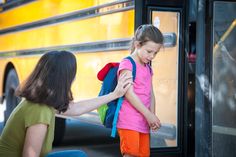
Separation anxiety is common among kindergarteners as they adjust to new routines and environments. Understanding this phenomenon can help parents and educators support children through this transition.
Key points:
- Normal developmental stage
- Peaks around 18 months but can resurface in new situations like starting school
- Symptoms
- Clinginess, crying, tantrums when separating
- Physical complaints (stomachache, headache)
- Difficulty sleeping alone
- Excessive worry about family members’ safety
- Causes
- New environments or routines
- Changes in family dynamics (new sibling, move, divorce)
- Overprotective parenting style
- Traumatic experiences
- Strategies for parents:
- Establish consistent goodbye routines
- Keep goodbyes brief and positive
- Provide a transitional object (family photo, small toy)
- Practice separations with shorter periods
- Avoid sneaking away
- Reassure the child you’ll return
- Collaborate with teachers
- Classroom strategies:
- Create a welcoming, structured environment
- Use visual schedules to provide predictability
- Assign a buddy to new students
- Allow comfort items initially
- Provide plenty of engaging activities
- When to seek help:
- If anxiety persists beyond a few weeks
- If it significantly impacts daily functioning
- If the child shows extreme distress or panic
- Long-term perspective:
- Most children overcome separation anxiety
- It’s a step towards independence and emotional growth
Remember, each child is unique, and patience is key. With consistent support and understanding, kindergarteners can successfully navigate this challenging but important developmental stage.


