

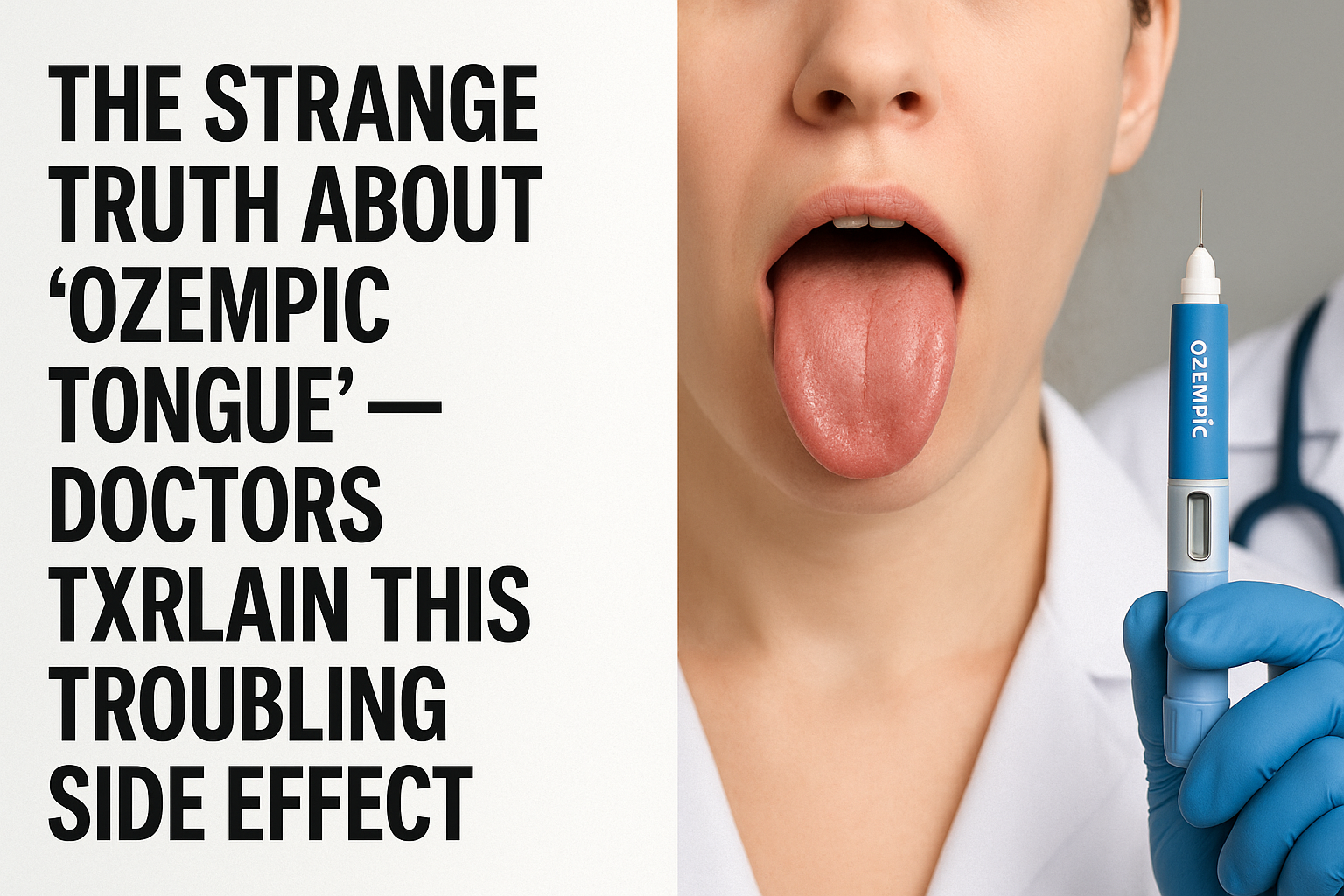
It seems like everywhere you look these days, someone is talking about GLP-1 medications like Ozempic, Wegovy, or Mounjaro. These drugs have truly revolutionized weight loss and diabetes management, offering incredible benefits for many. But with their soaring popularity, we’re also starting to hear about some less-than-pleasant side effects. One that’s been making the rounds on social media, particularly TikTok, is the rather curious phenomenon dubbed ‘Ozempic tongue.’ While it’s not an official medical diagnosis you’ll find in a textbook, the symptoms people are describing are very real, and medical experts are now weighing in on what might be going on inside your mouth.
So, what exactly is ‘Ozempic tongue’? Imagine a persistent metallic tang, a bitter or sour sensation that just won’t quit, or even a burning feeling in your mouth. Many users also report an unshakeable dry mouth, which can make eating and even talking feel incredibly uncomfortable. These aren’t just minor annoyances; they can significantly alter how food tastes, turning once-loved meals into unappetizing experiences. This viral term has become a catch-all for these oral issues, sparking countless discussions online as people try to understand why their taste buds suddenly feel so… off.
Unpacking the Mystery of Ozempic Tongue: What’s Happening?
While the term ‘Ozempic tongue’ might be new, the underlying symptoms it describes aren’t entirely surprising to medical professionals. The key to understanding this phenomenon lies in how GLP-1 medications work. These drugs mimic a natural hormone called glucagon-like peptide-1 (GLP-1), which helps regulate blood sugar, slows stomach emptying, and can reduce appetite. What many don’t realize, however, is that GLP-1 receptors aren’t just in your gut and pancreas; they’re also found in various other tissues throughout your body, including your taste buds. (See: CDC on Ozempic and side effects.)
Dr. Eric Esrailian, a gastroenterologist at UCLA Health, explains that directly affecting these receptors in the mouth could certainly alter taste perception. Think about it: if the very mechanism that helps you perceive sweet, sour, bitter, and savory is being influenced by the medication, it stands to reason that your taste experience might change. This direct interaction could be a primary driver behind the metallic or bitter tastes many users report. It’s a fascinating connection, highlighting just how intricate our bodily systems are and how medications can have widespread, sometimes unexpected, effects.
Beyond Taste Buds: Indirect Impacts on Oral Health
It’s not just direct receptor interaction at play; several indirect effects of GLP-1 medications can contribute to the symptoms of ‘Ozempic tongue.’ One of the most common side effects of these drugs is nausea and, for some, vomiting. When you experience frequent nausea or acid reflux, stomach acids can make their way up into your mouth. This acidic environment isn’t just unpleasant; it can contribute to a sour taste, irritate your mouth’s delicate tissues, and even begin to erode tooth enamel over time. Maintaining good oral hygiene becomes even more critical under these circumstances. (See: NIH article on GLP-1 medications.) We covered Ozempic weight loss benefits in more detail.
Furthermore, many individuals using these medications report experiencing dry mouth, medically known as xerostomia. Dry mouth isn’t just uncomfortable; it’s a significant factor in altered taste. Saliva plays a crucial role in taste perception, helping to dissolve food compounds so they can interact with taste receptors. Without adequate saliva, your taste buds can’t function optimally, leading to muted, distorted, or unpleasant tastes. Chronic dry mouth also increases the risk of other oral health issues, such as cavities and gum disease, because saliva also helps to wash away food particles and neutralize acids. So, while GLP-1 medications are fantastic for weight loss and blood sugar control, they can certainly throw a wrench into your oral ecosystem. For more on this, see vision risks from Ozempic.
Managing the Symptoms of ‘Ozempic Tongue’
If you’re experiencing symptoms associated with ‘Ozempic tongue,’ don’t despair. While these effects can be bothersome, there are practical steps you can take to manage them. The first line of defense, especially against dry mouth, is consistent hydration. Drinking plenty of water throughout the day can help stimulate saliva production and keep your mouth feeling more comfortable. Carrying a water bottle with you and sipping frequently is a simple yet effective strategy.
Diligent oral hygiene is also paramount. Brushing twice a day with a fluoride toothpaste, flossing daily, and using an alcohol-free mouthwash can help counteract the effects of dry mouth and any acidic exposure from reflux. Some people find relief with over-the-counter artificial saliva products or lozenges designed to stimulate saliva flow. However, if your symptoms are severe, persistent, or significantly impacting your quality of life, it’s crucial to seek professional medical advice. Your doctor can assess your specific situation, rule out other causes, and discuss potential adjustments to your medication or additional strategies to alleviate discomfort. Never adjust your medication dosage or stop taking it without consulting your healthcare provider first. (See: NIH resource on drug side effects.)
The rise of ‘Ozempic tongue’ on social media underscores the importance of open communication between patients and doctors about all side effects, even those that seem minor or strange. As more people use these powerful medications, understanding and addressing these nuanced experiences will be key to ensuring overall well-being. So, if your mouth feels a bit off after starting a GLP-1 drug, know you’re not alone, and help is available.
Trending Now
Frequently Asked Questions
What is Ozempic tongue?
Ozempic tongue refers to a collection of oral symptoms reported by users of GLP-1 medications like Ozempic. These symptoms can include a persistent metallic taste, a bitter or sour sensation, and dry mouth, which can significantly impact the enjoyment of food.
What causes Ozempic tongue?
Ozempic tongue is believed to be caused by the way GLP-1 medications interact with receptors in the body, including those in the taste buds. These drugs can affect taste perception and cause sensations like bitterness or dryness in the mouth.
Is Ozempic tongue a serious side effect?
While Ozempic tongue can be uncomfortable and alter taste perception, it is not considered a serious medical condition. However, if symptoms persist or worsen, it's advisable to consult a healthcare professional for guidance.
How can I alleviate symptoms of Ozempic tongue?
To alleviate symptoms of Ozempic tongue, staying hydrated, using mouth rinses, and avoiding strong flavors may help. If symptoms persist, discussing options with a healthcare provider can also be beneficial.
Is Ozempic tongue common among users?
Ozempic tongue has been reported by many users of GLP-1 medications, indicating that while it may not be universally experienced, it is a common side effect that has gained attention, especially on social media platforms.
What did we miss? Let us know in the comments and join the conversation.


