

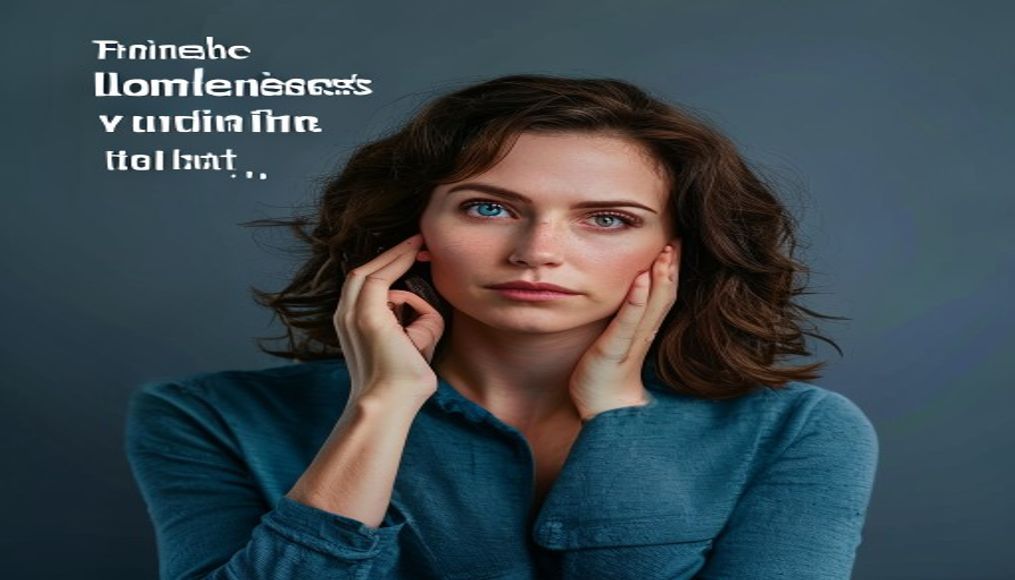
The term female loneliness epidemic has been surfacing in both casual conversations and serious discussions, particularly within online communities like Reddit. This phenomenon refers to the growing feelings of isolation experienced by women, especially younger generations, as they navigate the complexities of modern life. But what does this really mean? And why is it becoming such a hot topic?
Understanding the Epidemic
At its core, the female loneliness epidemic encapsulates a sense of emotional and social isolation that many women are reporting. According to a recent survey by the American Psychological Association, over 60% of women aged 18-30 reported feelings of loneliness in the past year. This statistic is alarming, especially considering that loneliness can have profound mental and physical health implications.
But why are these feelings becoming more pronounced? One explanation lies in the changing nature of relationships. Women are increasingly prioritizing career aspirations and personal development over traditional constructs of companionship, such as marriage and motherhood. While this shift empowers many, it also leads to a different kind of solitude—one that is neither planned nor desired. (See: New York Times article on women's loneliness.)
The Role of Social Media
Social media has also played a significant role in shaping the conversation around the female loneliness epidemic. The irony is that while platforms like Instagram and Facebook are designed for connection, they often exacerbate feelings of isolation. Women scroll through curated lives of their peers, which can lead to comparisons and feelings of inadequacy.
In Reddit threads and other online forums, users express how social media creates a facade of connection while simultaneously making them feel more alone. One user stated, “I have hundreds of friends online, but no one to call when I’m feeling down.” This sentiment resonates with many, highlighting the disparity between digital interactions and genuine human connection.
Changing Friendship Patterns
Friendships are evolving as well, often reflecting a broader cultural shift. Women today are opting for smaller, more intimate circles rather than large social networks. While this can foster deeper relationships, it can also lead to a lack of social support during tough times. Women in their twenties and thirties might find it challenging to maintain friendships due to busy schedules, geographic mobility, or differing priorities.
Moreover, the rise of remote work and solo living has changed how women interact. Many report feeling isolated while working from home, missing out on casual office interactions that once provided social fuel. This change raises important questions: Are we redefining what friendship looks like? And are we willing to acknowledge the loneliness that sometimes comes with independence? (See: WHO facts on mental health and loneliness.)
A Cultural Reflection or Lifestyle Choice?
The debate around the female loneliness epidemic often centers on whether it reflects a genuine crisis of connection or a lifestyle choice. Some argue that women today are more empowered to choose independence than ever before, prioritizing self-fulfillment over traditional roles. Yet, this empowerment can sometimes come at a cost, leading to feelings of emptiness in the absence of strong social ties.
Interestingly, many young women are redefining what fulfillment means. Rather than adhering to societal expectations of marriage or motherhood as the ultimate goals, they are pursuing careers, hobbies, and personal growth. This shift signals a new narrative that prioritizes individual happiness but also highlights the need for robust support systems.
Finding Solutions and Building Connections
Addressing the female loneliness epidemic requires a multi-faceted approach. Here are some actionable steps that can help:
- Prioritize In-Person Connections: Make an effort to schedule regular meet-ups with friends, whether it’s for coffee, a workout class, or just a walk in the park.
- Join Community Groups: Engage with local clubs or groups that align with your interests. These can foster new friendships and reinvigorate your social life.
- Seek Professional Help: If feelings of loneliness become overwhelming, consider talking to a mental health professional. Therapy can provide valuable tools to cope with isolation.
- Limit Social Media Use: Set boundaries on your social media consumption to prevent feelings of inadequacy and foster real-life interactions.
As society continues to evolve, it’s crucial to keep the conversation about the female loneliness epidemic open and ongoing. Acknowledging these feelings is the first step toward creating a more connected and supportive community for women.
Trending Now
- 2026 BET Awards Ratings Soar: The…
- the complete explanation
- read the full story
- our breakdown of why the july 1 lpg price hike has everyone talking right now
Frequently Asked Questions
What is the female loneliness epidemic?
The female loneliness epidemic refers to the growing feelings of emotional and social isolation experienced by women, particularly younger generations. Recent surveys indicate that over 60% of women aged 18-30 report feeling lonely, highlighting a significant mental health concern as they navigate modern life's complexities.
What causes loneliness in women?
Loneliness in women can be attributed to various factors, including prioritization of career and personal development over traditional relationships like marriage and motherhood. This shift, while empowering, often leads to unexpected feelings of solitude that many women find difficult to manage.
How does social media affect women's feelings of loneliness?
Social media can exacerbate feelings of loneliness among women by creating a facade of connection. While platforms like Instagram and Facebook are intended for social interaction, they often lead to comparisons and feelings of inadequacy, making users feel more isolated despite having many online 'friends.'
Why is loneliness a concern for women's health?
Loneliness can have profound implications for both mental and physical health. It is associated with increased risks of anxiety, depression, and other health issues. Addressing the female loneliness epidemic is crucial for improving overall well-being and fostering healthier social connections.
How can women combat feelings of loneliness?
Women can combat feelings of loneliness by fostering real-life connections, engaging in community activities, and seeking support from friends and family. Additionally, limiting social media use and focusing on meaningful relationships can help alleviate feelings of isolation and improve emotional health.
What did we miss? Let us know in the comments and join the conversation.


