

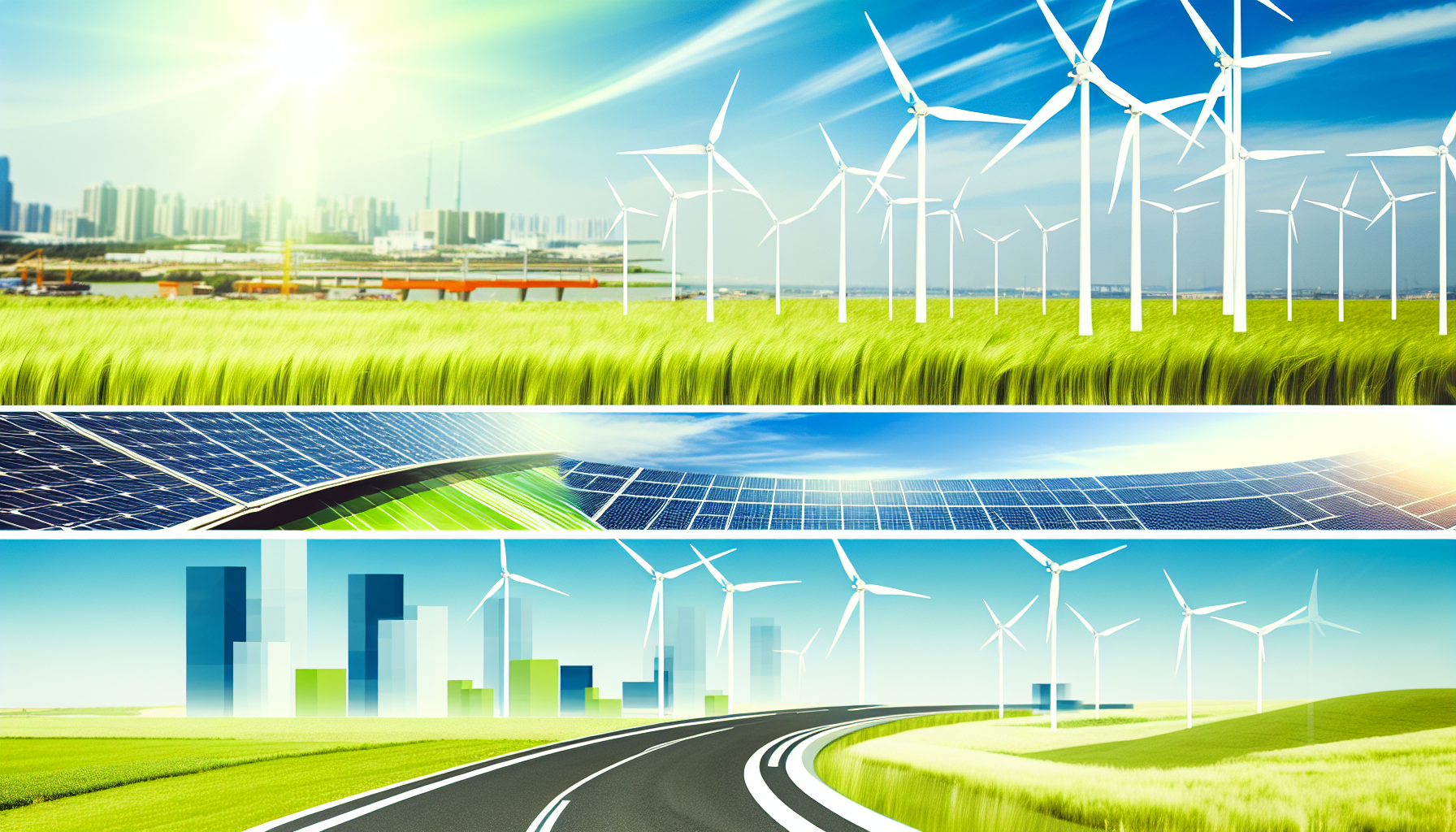
Recent updates from ScienceDaily provide a comprehensive overview of the latest advancements in the fields of energy and the environment. As of April 18, 2026, significant developments in various energy sources such as hydrogen-powered vehicles, solar energy systems, nuclear reactors, and fossil fuels have been reported. This article aims to delve into these innovations, highlighting their potential impacts and challenges as we move towards a more sustainable future.
Hydrogen-Powered Cars: A Clean Future?
The quest for cleaner transportation has led to an increased interest in hydrogen-powered cars. These vehicles, which utilize hydrogen fuel cells to generate electricity, are being heralded as a promising alternative to traditional gasoline-powered cars. Hydrogen fuel cells emit only water vapor, making them an environmentally friendly option. However, the challenges of hydrogen production and storage remain significant hurdles for widespread adoption.
- Production Challenges: Most hydrogen today is produced from natural gas through a process called steam methane reforming, which releases carbon dioxide. Developing efficient, renewable methods of hydrogen production, such as electrolysis powered by solar or wind energy, is crucial for the sustainability of hydrogen vehicles.
- Infrastructure Needs: A lack of refueling stations limits the practicality of hydrogen cars. Investment in infrastructure is necessary to support the growth of this technology.
Solar Energy Systems: Harnessing the Sun
Solar energy continues to be a leading renewable energy source, with advancements enhancing its efficiency and affordability. Recent research highlights improvements in solar panel technology that increase energy capture and reduce costs, making solar installations more accessible to homeowners and businesses alike.
- Technological Advancements: Innovations such as bifacial solar panels, which capture sunlight from both sides, and advancements in photovoltaic materials contribute to higher energy yields.
- Integration with Smart Grids: The integration of solar energy systems with smart grid technology offers the potential for better energy management and distribution, facilitating a transition to a decentralized energy model.
Nuclear Reactors: A Complex Debate
The discussion surrounding nuclear energy is multifaceted, involving safety, waste management, and its role in reducing greenhouse gas emissions. New reactor designs, such as small modular reactors (SMRs), promise enhanced safety and efficiency. These smaller units can be deployed in various locations, potentially bringing nuclear energy to regions that previously relied on fossil fuels.
- Safety Innovations: Modern nuclear reactors incorporate advanced safety features designed to prevent catastrophic failures, addressing concerns that have historically plagued the industry.
- Waste Management Solutions: Ongoing research into waste recycling and long-term storage options is crucial for the sustainable development of nuclear energy.
Fossil Fuels: A Transitioning Landscape
Despite the push for renewable energy, fossil fuels remain a significant part of the global energy landscape. The transition from fossil fuels to renewable sources is fraught with challenges, including economic factors and political resistance. However, recent studies indicate that a gradual transition could be beneficial for both the economy and the environment.
- Carbon Capture Technologies: Innovations in carbon capture and storage (CCS) technologies aim to reduce emissions from fossil fuel usage, allowing for a cleaner burning process while alternative energy sources are developed.
- Policy Changes: Governments worldwide are beginning to implement stricter regulations on emissions and incentivize renewable energy development, signaling a shift towards sustainable energy practices.
The Road Ahead: Collaboration and Innovation
As we navigate the complexities of energy production and environmental sustainability, collaboration among governments, private sectors, and researchers is essential. The articles aggregated by ScienceDaily emphasize the importance of ongoing research and development in the energy sector, as well as the need for innovative solutions to meet the world’s growing energy demands while protecting our planet.
In summary, the landscape of energy and the environment is evolving rapidly. With advancements in hydrogen technology, solar energy systems, nuclear reactors, and improvements in fossil fuel usage, the potential for a more sustainable energy future is within reach. However, overcoming the challenges associated with these technologies will require concerted efforts and a commitment to innovation. renewable energy advancements offers useful background here.
For those interested in staying updated on the latest developments in energy and environmental science, ScienceDaily serves as an invaluable resource, providing timely news and research that shape our understanding of these critical issues.


