

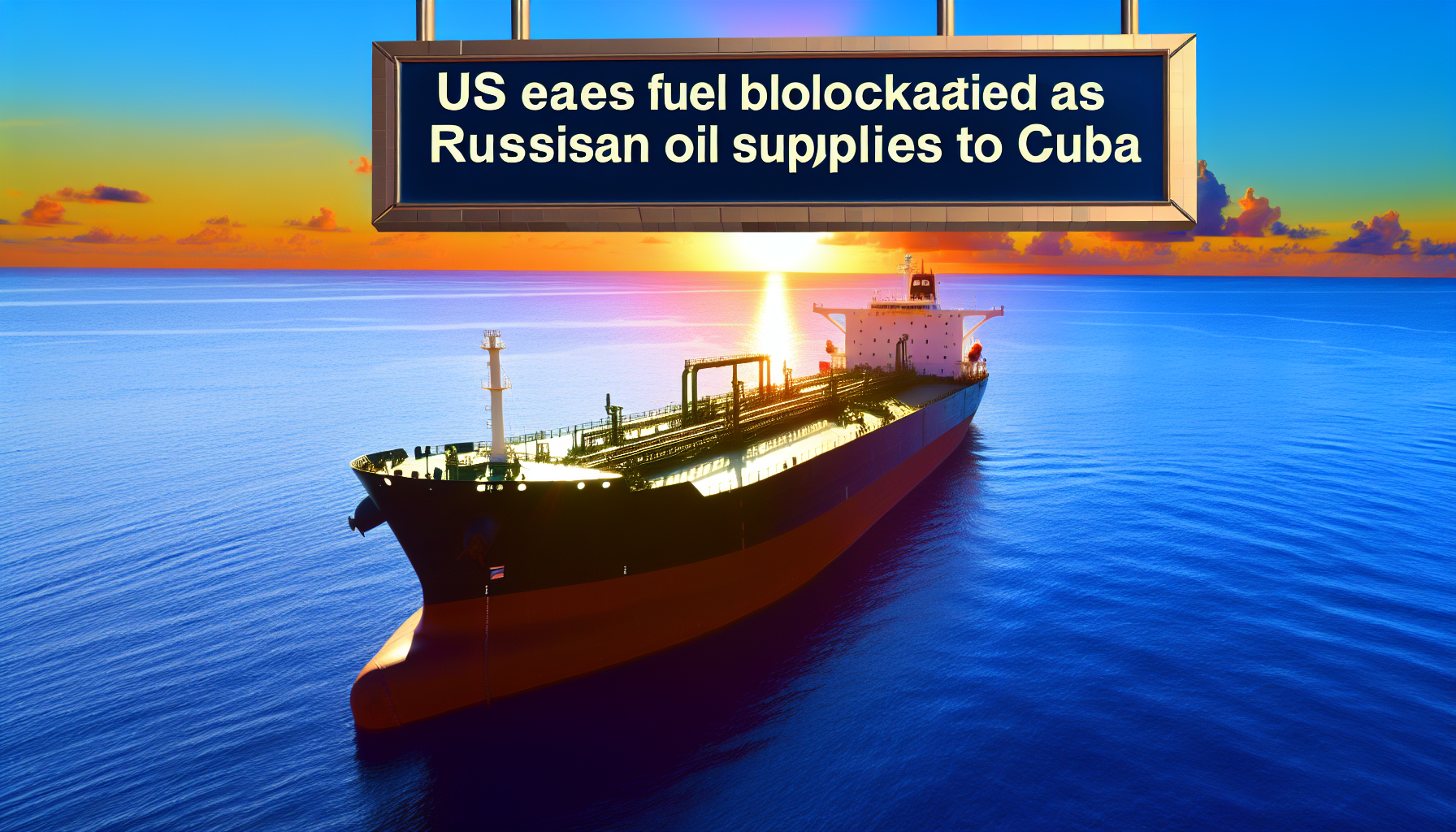
The geopolitical landscape surrounding Cuba has taken a significant turn as the United States has allowed a Russian oil tanker to breach the long-standing fuel blockade against the island nation. The tanker, laden with approximately 730,000 barrels of oil, has reached Cuban waters, marking a pivotal moment in both U.S. foreign policy and Cuba’s ongoing energy crisis.
A Shift in U.S. Policy
For years, the United States has maintained stringent sanctions and a fuel blockade against Cuba, aimed at pressuring the island’s government. However, this latest decision indicates a potential shift in Washington’s approach amidst a worsening energy crisis affecting Cuba. The scarcity of fuel has led to widespread blackouts and has severely impacted daily life for Cuban citizens, creating a dire need for external support.
The Energy Crisis in Cuba
Cuba’s energy crisis has been exacerbated by a combination of factors, including economic sanctions, aging infrastructure, and the global repercussions of the COVID-19 pandemic. The island nation has struggled to maintain a stable energy supply, leading to rolling blackouts that have affected both homes and businesses. As fuel supplies dwindled, the Cuban government faced mounting pressure to find alternative sources of energy.
Impact of the Russian Oil Delivery
The arrival of the Russian oil tanker is a welcome development for the Cuban government, which has been seeking ways to alleviate the energy shortages. The delivery is expected to provide a temporary reprieve, allowing for the resumption of essential services and reducing the frequency and duration of power outages. This influx of oil could also have broader implications for Cuba’s economy, as energy stability is crucial for various sectors, including tourism and agriculture.
Geopolitical Implications
The decision to permit the Russian tanker to deliver fuel to Cuba raises questions about the U.S.’s stance on foreign relations and its approach to sanctions. This move could be seen as a pragmatic response to the humanitarian crisis unfolding in Cuba, but it also risks complicating U.S. relations with other nations involved in the region.
Analysts suggest that allowing the tanker to dock might reflect a growing recognition in Washington of the need to balance diplomatic objectives with humanitarian considerations. With the ongoing conflict in Ukraine and Russia’s increasing isolation, the U.S. may also be recalibrating its foreign policy strategies to address emerging global dynamics.
Historical Context
The U.S. embargo against Cuba has its roots in the Cold War, initiated in the early 1960s in response to Fidel Castro’s communist regime. Over the years, the sanctions have evolved, but their primary aim has consistently been to pressure the Cuban government to implement political reforms. The embargo has also significantly impacted Cuba’s economy, leading to shortages of basic goods and services.
In recent years, the humanitarian implications of the embargo have drawn criticism from various international organizations and even some U.S. lawmakers. The COVID-19 pandemic has further highlighted the vulnerabilities in Cuba’s healthcare and economic systems, prompting calls for a re-evaluation of U.S. policy.
Future Considerations
The delivery of oil from Russia to Cuba may signal a shift in the dynamics of international relations in the region. As Cuba seeks to strengthen its ties with Russia, the U.S. must navigate the complexities of its foreign policy, balancing its commitments to allies while addressing humanitarian needs.
Moreover, the situation raises critical questions about energy security in the Caribbean. As countries across the region grapple with their own energy challenges, the U.S. may need to reassess its approach to energy diplomacy to foster stability and cooperation.
Conclusion
The arrival of the Russian oil tanker in Cuba is more than just a fuel delivery; it is a significant event that could reshape the future of U.S.-Cuba relations and impact the broader geopolitical landscape. As Cuba continues to face severe energy shortages, this development offers a glimpse of the complexities and challenges involved in addressing humanitarian crises in a politically charged environment.
As the world watches closely, the unfolding situation will likely prompt further discussions regarding the U.S. embargo, energy security, and the importance of humanitarian considerations in foreign policy decisions.


