

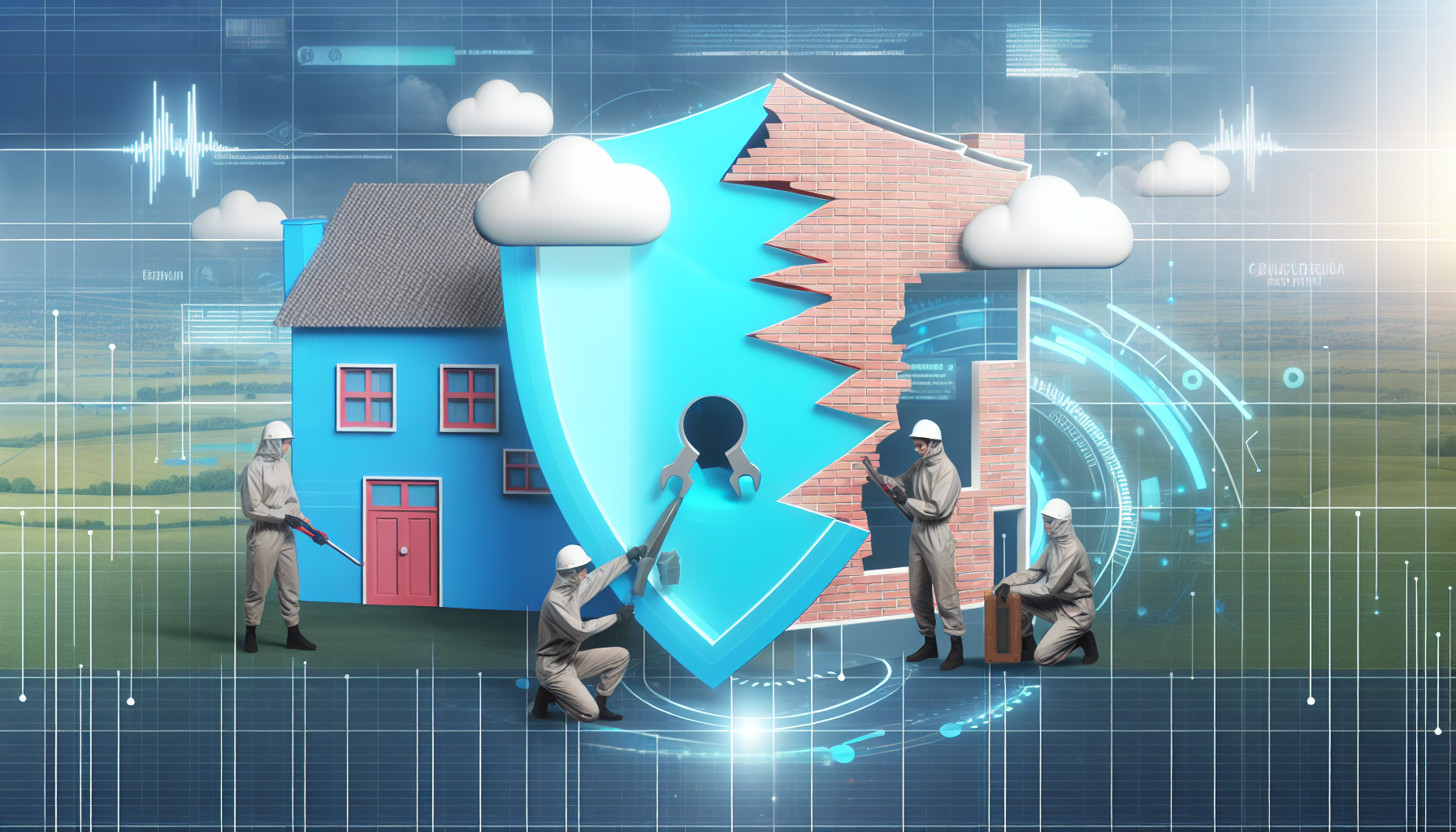
As smart home technology continues to integrate into our daily lives, the potential for cybersecurity breaches increases significantly. In a recent study analyzing government cybersecurity guidance from 11 countries, researchers have uncovered a troubling trend: while there is an abundance of advice focused on preventing cyber incidents, there is a stark lack of support for recovery after a breach occurs. This gap not only leaves households vulnerable during critical incident responses but also highlights the urgent need for improved guidance in an increasingly connected home environment.
Understanding the Landscape of Smart Home Cybersecurity
Smart homes, equipped with various devices such as smart thermostats, security cameras, and voice assistants, offer convenience and efficiency. However, this interconnectedness can also be a double-edged sword. Cybercriminals are continually seeking new vulnerabilities to exploit, and breaches can have serious consequences, including unauthorized access to personal data, financial loss, and even physical security risks.
The Focus on Prevention
The study revealed that the overwhelming majority of government cybersecurity advice is aimed at preventing breaches rather than providing a roadmap for recovery. This preventative approach encompasses a variety of best practices, including:
- Regularly updating device firmware and software
- Using strong, unique passwords for each device
- Implementing network security measures, such as firewalls and VPNs
- Educating users about phishing and other social engineering tactics
While these recommendations are undeniably important for safeguarding smart home devices, they do little to help users navigate the aftermath of a breach. When a breach occurs, the focus shifts from prevention to damage control, and this is where the current guidance falls short.
The Recovery Gap
According to the researchers, after a smart home breach, households often find themselves in a precarious position with limited official guidance on how to restore devices or recover lost data. This lack of support can exacerbate the situation, leading to prolonged exposure to threats and increased anxiety for affected individuals.
Some of the challenges faced by users during recovery include:
- Identifying the extent of the breach and its impact on various devices
- Determining the steps necessary to secure devices and networks after the incident
- Recovering lost data, which may involve complex technical processes
- Dealing with the psychological stress and fear of further attacks
The absence of a clear recovery framework can leave users feeling helpless and unsure of where to turn for assistance. In many cases, they may rely on online forums, social media, or informal advice from friends and family, which can lead to inconsistent and potentially harmful recovery practices.
The Need for Comprehensive Guidance
Given the increasing prevalence of smart home devices, it is crucial for governments and cybersecurity organizations to fill this guidance gap. The establishment of comprehensive recovery protocols would not only empower users to respond effectively to incidents but also foster a culture of resilience in the face of cyber threats.
Some recommendations for enhancing recovery guidance include:
- Developing standardized recovery frameworks that provide step-by-step instructions for users
- Creating dedicated resources, such as websites or hotlines, to assist individuals during recovery
- Promoting public awareness campaigns that educate users on recovery strategies and available resources
- Collaborating with cybersecurity professionals to ensure that guidance is practical and accessible
By prioritizing recovery as much as prevention, governments can help to mitigate the risks associated with smart home breaches, ultimately leading to safer, more secure living environments.
The Road Ahead
As we move deeper into the era of smart homes, the importance of robust cybersecurity cannot be overstated. While preventative measures are a vital first line of defense, the reality is that breaches will occur. Therefore, comprehensive recovery strategies are essential to ensure that individuals can regain control of their devices and data after an incident.
The researchers’ findings serve as a wake-up call for policymakers and cybersecurity experts alike. By addressing the recovery gap, we can create a more secure digital landscape for smart home users, empowering them to confidently embrace technology while being prepared for the challenges that may arise.
In conclusion, as smart home technology continues to evolve, so too must our approach to cybersecurity. By recognizing the critical need for recovery guidance, we can create a more resilient society that is well-equipped to handle the complexities of our interconnected world.


