

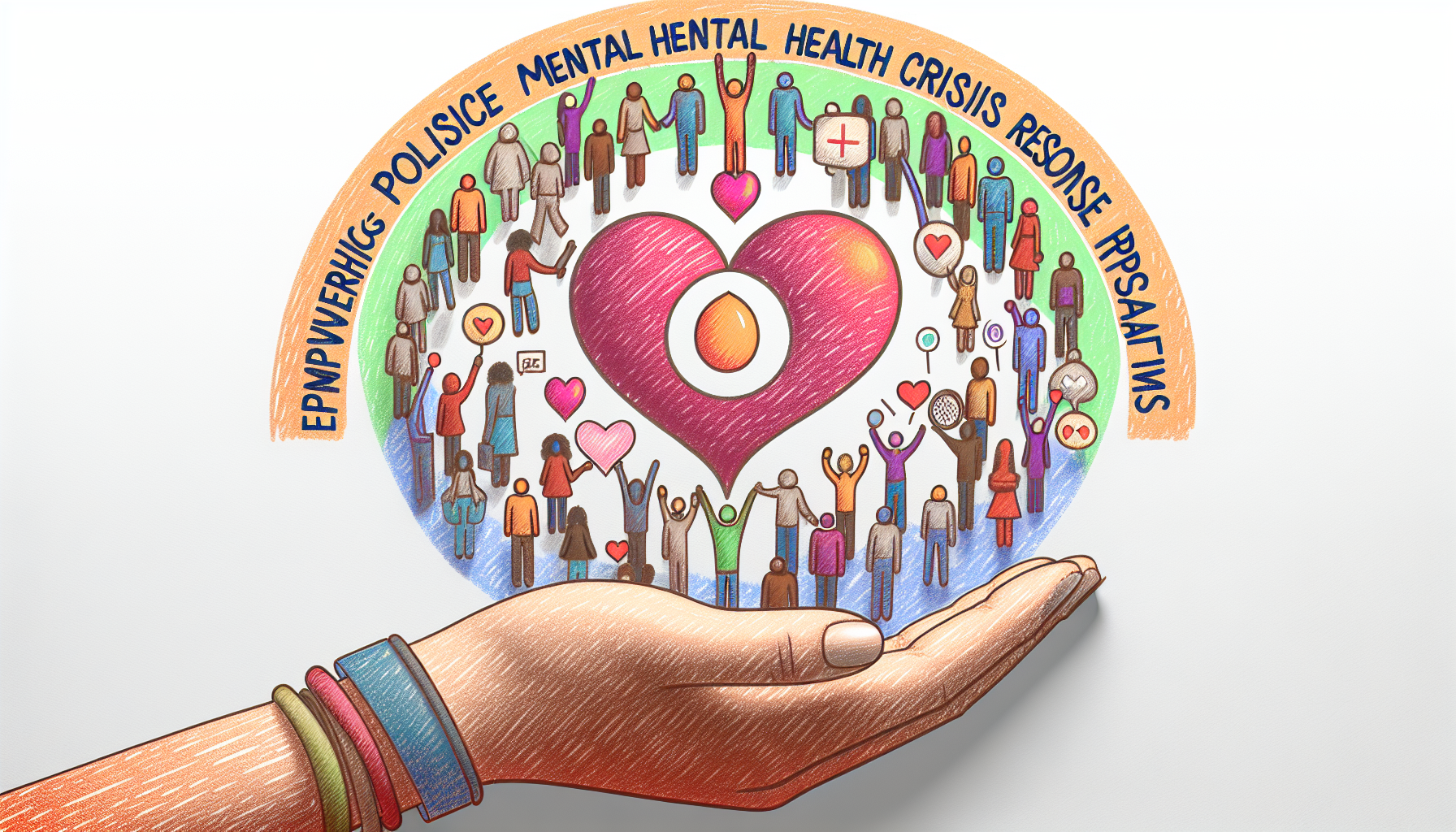
On March 30, 2026, a transformative report by Human Rights Watch, New York Lawyers for the Public Interest, and Center for Racial and Disability Justice unveiled an impressive landscape of over 150 non-police mental health crisis response programs operating across the United States. This comprehensive analysis advocates for a rights-based approach to mental health care, emphasizing the importance of community involvement and individual autonomy in crisis situations.
The Need for Change in Mental Health Crisis Response
The current mental health crisis response landscape in the U.S. often relies heavily on police intervention, which can lead to tragic outcomes, particularly for marginalized groups. The report highlights the alarming statistics related to police violence against individuals with mental health challenges, particularly among people of color and individuals with disabilities. The need for a paradigm shift towards more humane and effective responses is clearer than ever.
Rights-Based Approaches to Mental Health Care
The report calls for a rights-based model that focuses on peer involvement, consent-centered decision-making, and the elimination of involuntary services. These principles aim to foster an environment where individuals experiencing mental health crises can receive support without the threat of coercion or violence. Instead of defaulting to law enforcement, communities are encouraged to develop their own mechanisms for response that prioritize individual rights and dignity.
Highlighting Effective Programs
Among the numerous programs documented in the report, eight exemplary initiatives stand out for effectively removing police from their response protocols:
- Peer Support Hotlines: These hotlines are staffed by individuals with lived experience, providing empathetic listening and support without judgment.
- Mobile Crisis Teams: Trained professionals and peer support specialists respond to crises in real-time, offering immediate assistance and de-escalation techniques.
- Community-Based Outreach: Teams engage with individuals in their neighborhoods, offering resources and support before a crisis escalates.
- Safe Spaces: Designated areas where individuals can go during a mental health crisis, free from the presence of law enforcement.
- Respite Centers: Facilities where individuals can receive temporary care and support in a non-institutional environment.
- Advocacy Services: Programs that help individuals navigate the mental health system and access necessary services without coercion.
- Crisis Intervention Training for Community Members: Empowering community members with skills to assist peers in distress effectively.
- Collaborative Care Models: Partnerships with mental health professionals, social workers, and community organizations to provide comprehensive support.
Empowering Individuals and Communities
At the heart of these programs is the commitment to individual autonomy. By ensuring that individuals have a say in their treatment and care, these initiatives promote self-determination and dignity. The report emphasizes the importance of consent in mental health interventions, arguing that individuals should have the right to refuse treatment and choose their support systems.
Moreover, by centering the voices of those with lived experience, these programs not only provide invaluable support but also foster a sense of community and belonging. This paradigm shift recognizes that those who have navigated similar challenges often offer the most effective support.
Addressing Systemic Inequalities
The report also addresses the systemic inequalities that have historically affected access to mental health services, particularly for people of color and individuals with disabilities. The authors argue that traditional models of care often reflect societal biases, resulting in disproportionate rates of incarceration and violence against marginalized communities.
By implementing community-based responses that prioritize equity and justice, these non-police mental health crisis programs aim to dismantle the barriers that have prevented individuals from accessing care. This approach not only supports individual recovery but also promotes long-term societal change.
The Path Forward
The findings from this report call for a nationwide reevaluation of mental health crisis responses. As communities across the United States begin to adopt these innovative models, there is hope for a future where mental health care is not synonymous with law enforcement interventions.
In conclusion, the transition to non-police mental health crisis response programs represents a significant step toward a more compassionate and effective mental health care system. By prioritizing rights-based approaches and fostering community involvement, these initiatives not only improve outcomes for individuals in crisis but also promote a more just and equitable society.


