

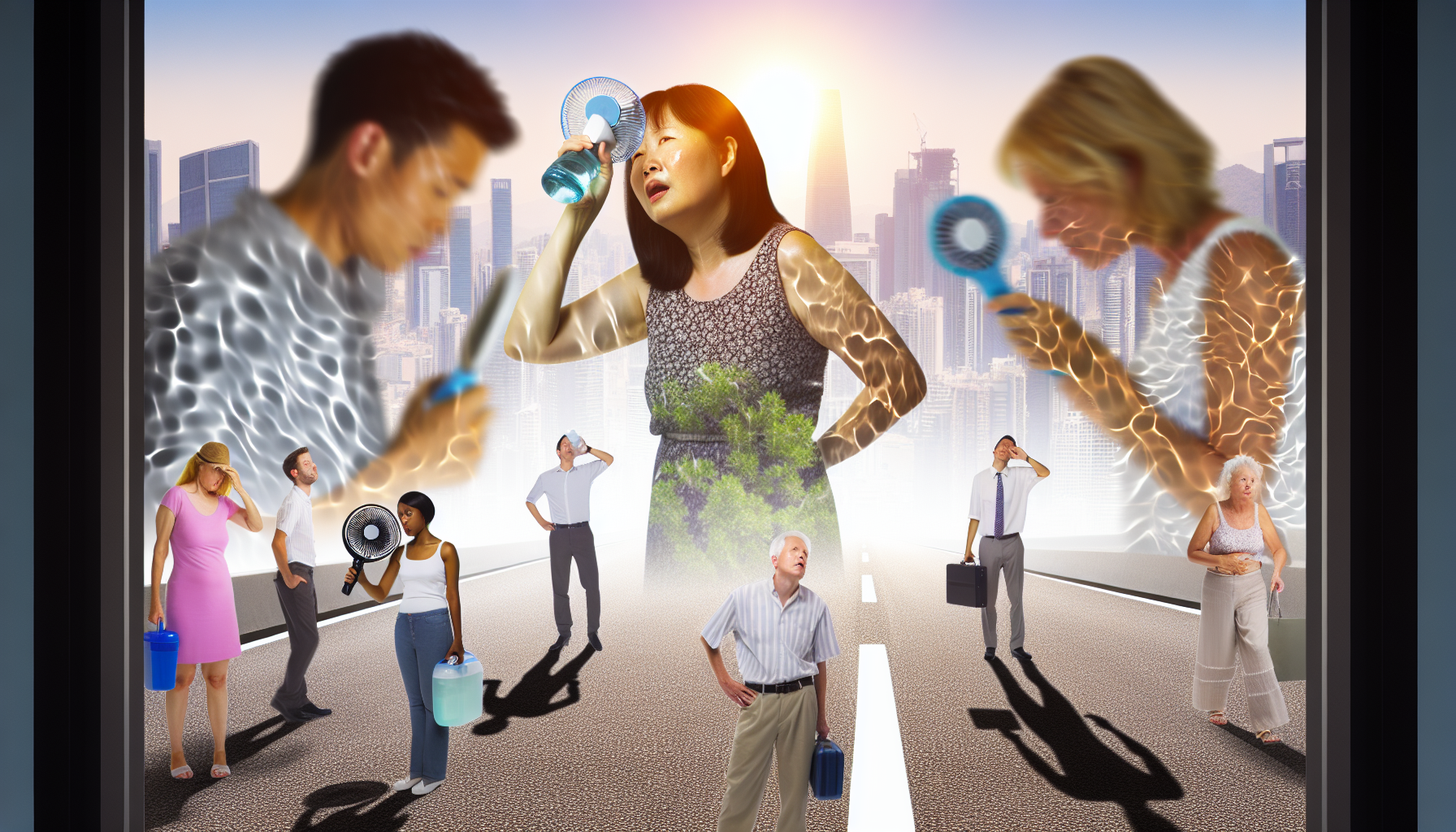
As urban centers continue to expand, they are increasingly feeling the heat—quite literally. Urban areas are warming at a rate faster than their rural counterparts, leading to serious health implications for city dwellers. This phenomenon is not just about rising temperatures; it’s a complex interplay of city design, environmental factors, and public health that deserves urgent attention.
The Urban Heat Island Effect
One of the primary reasons urban areas heat up more quickly is the urban heat island (UHI) effect. This occurs when cities, with their concrete, asphalt, and limited greenery, absorb and retain heat more than surrounding rural areas, which typically have more vegetation and open spaces. Without sufficient green spaces, urban regions are left vulnerable to extreme heat, significantly affecting the health of their residents.
Health Risks Associated with Rising Temperatures
As temperatures soar in cities, residents face an array of health risks. Medical professionals have observed a concerning rise in cases of heat-related illnesses. Some of the most common conditions linked to excessive heat include:
- Heat Stroke: A severe condition that occurs when the body overheats, causing organs to fail.
- Dehydration: A lack of adequate fluids can lead to serious complications and even death.
- Heat Rash: Skin irritation caused by excessive sweating.
- Cramps: Muscle cramps due to loss of electrolytes through sweat.
- Fainting: A sudden loss of consciousness often linked to overheating.
Moreover, healthcare providers are increasingly diagnosing heat stress in patients, which can lead to more severe complications. One particularly alarming condition is rhabdomyolysis, where muscle tissue breaks down from prolonged heat exposure and strenuous activity. This condition can severely damage the kidneys and may pose life-threatening risks if not treated promptly.
Exacerbation of Pre-existing Conditions
Extreme heat does not only affect healthy individuals; it also exacerbates existing health conditions. People with heart and lung diseases, diabetes, and mental health disorders are particularly at risk. For instance, individuals with cardiovascular problems may find their conditions worsening due to heat stress, while those with diabetes may struggle to maintain their blood sugar levels amidst fluctuating hydration levels.
According to experts, the elderly and children are also more vulnerable to the impacts of heat, making it imperative for cities to implement effective strategies to mitigate these risks.
Creating Smarter, Healthier Cities
Addressing the challenges posed by urban heat is not insurmountable. Experts advocate for the creation of smarter cities that integrate more green spaces and sustainable design practices. Some of the proposed strategies include:
- Increasing Urban Greenery: Planting more trees and creating parks can help cool urban areas and improve air quality.
- Implementing Green Roofs: Green roofs on buildings can reduce heat absorption while providing insulation and improving biodiversity.
- Enhancing Public Awareness: Educating residents about the dangers of extreme heat and the importance of staying hydrated can significantly reduce health risks.
Moreover, city planners and policymakers must prioritize sustainable urban design that not only accounts for aesthetic appeal but also emphasizes environmental health and public well-being.
Staying Safe During Heatwaves
As urban heat continues to rise, it is crucial for residents to take proactive measures to protect their health. Here are some tips for staying safe during extreme heat:
- Stay Hydrated: Drink plenty of water throughout the day, even if you don’t feel thirsty.
- Avoid Strenuous Activities: Limit outdoor exercise and strenuous activities during peak heat hours.
- Wear Lightweight Clothing: Light-colored, loose-fitting clothing can help keep your body cool.
- Seek Shade or Air Conditioning: Whenever possible, stay indoors or find shaded areas to escape the heat.
Understanding the implications of rising urban heat is essential for safeguarding public health. By advocating for smarter city designs and taking personal precautions, we can combat the adverse effects of higher temperatures and create healthier, more livable urban environments.


