

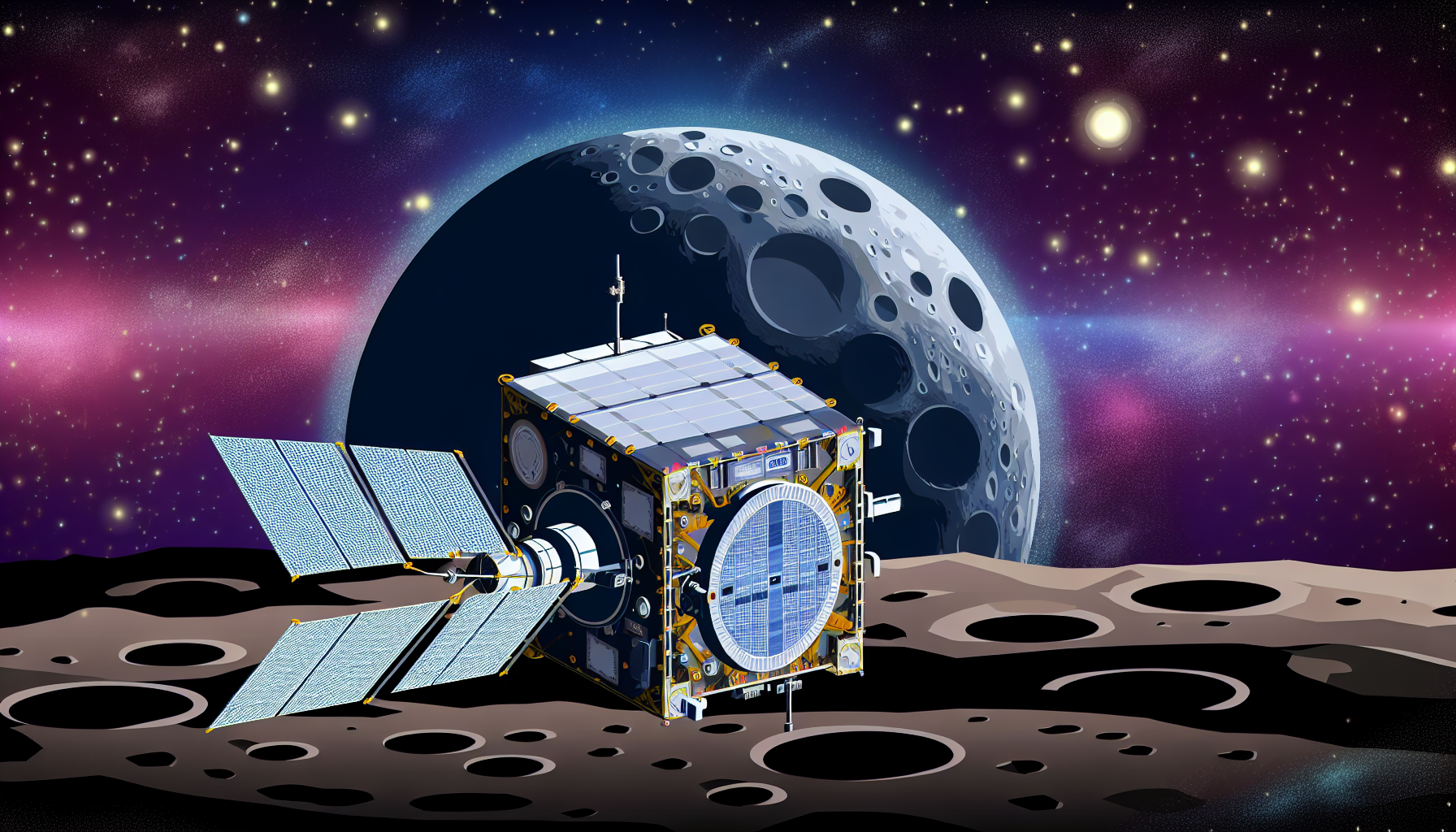
As humanity aims for deeper exploration of the cosmos, international collaboration is more crucial than ever. The European Space Agency (ESA) is making significant strides in this regard with its contribution to NASA’s Artemis II mission, which is set to launch in 2026. At the heart of this collaboration lies the ESA-built European Service Module (ESM), a sophisticated piece of technology designed to support a crewed lunar flyby.
The Role of the European Service Module
The European Service Module is a vital component of NASA’s Artemis II mission, which will mark the first crewed flight of the Orion spacecraft. This mission aims to send astronauts on a circumlunar journey, paving the way for future lunar exploration and establishing a sustainable presence on the Moon.
The ESM will be responsible for providing essential systems needed for the mission, including:
- Propulsion: The module will utilize its engines to navigate the spacecraft during its journey to and from the Moon.
- Electrical Power: It will generate and manage the power necessary for the spacecraft’s operations, ensuring that all systems function smoothly throughout the mission.
- Life Support: The ESM will maintain a habitable environment for the astronauts, supplying oxygen and managing waste.
International Collaboration in Space Exploration
The Artemis II mission is a testament to the power of international cooperation in space exploration. The collaboration between ESA and NASA signifies a shared vision for sustainable lunar exploration. The ESM’s development involved contributions from various European countries, showcasing a united effort in advancing human spaceflight capabilities.
This partnership not only enhances technical capabilities but also fosters diplomatic ties among the participating nations. As space exploration becomes increasingly complex, such collaborations will be essential for addressing challenges and maximizing the potential for scientific discovery.
Technological Innovations of the ESM
The European Service Module is equipped with a range of advanced technologies designed to enhance mission reliability and safety. Among its notable features are:
- Autonomous Operations: The ESM is designed to operate autonomously, allowing it to respond to unexpected situations without direct input from the crew.
- Advanced Thermal Control: Ensuring that the spacecraft remains at optimal temperatures, the thermal control system is vital for the functioning of sensitive equipment and the comfort of the crew.
- Robust Communication Systems: The ESM will maintain continuous communication with mission control, enabling real-time monitoring and support.
These innovations reflect ESA’s commitment to producing reliable and efficient spacecraft components that can withstand the rigors of deep space travel.
Looking Ahead: The Future of Lunar Exploration
The Artemis II mission represents a pivotal step in humanity’s return to the Moon and beyond. With the lessons learned from this mission, NASA and its international partners, including ESA, aim to establish a sustainable human presence on the lunar surface. This will ultimately serve as a launchpad for future exploration of Mars and other celestial bodies.
By facilitating the safe transport of astronauts to the Moon, the ESM is expected to play a crucial role in gathering data and conducting research that will inform future missions. The scientific knowledge gained from lunar exploration can lead to groundbreaking discoveries about our solar system and the potential for life beyond Earth.
Conclusion
The European Service Module is not just a technological marvel; it embodies the spirit of international collaboration that is essential for the future of space exploration. As the Artemis II mission approaches, the ESM stands ready to power a new era of lunar exploration, showcasing what can be achieved when nations unite in pursuit of a common goal.
As we look toward the stars, the contributions of the ESM remind us that the journey to the Moon and beyond is a collective effort, one that will pave the way for generations of explorers to come.


